
USC study links dry-cleaning chemical PCE to triple liver fibrosis risk
This digest was compiled by AI from multiple sources — links to the originals are below.
Exposure to tetrachloroethylene (PCE), a solvent widely used in dry cleaning, is associated with a threefold higher risk of significant liver fibrosis, according to a study by Keck Medicine of USC published in Liver International. The risk rises with higher blood levels of the chemical. PCE is also found in adhesives, spot removers, and stainless steel polish.
Key Facts
- People exposed to PCE were three times more likely to have significant liver fibrosis than those not exposed, the study found.
- The likelihood of significant liver fibrosis increased as the amount of PCE detected in a person's blood increased.
- The International Agency for Research on Cancer classifies PCE as a probable carcinogen linked to bladder cancer, multiple myeloma, and non-Hodgkin lymphoma.
- The U.S. Environmental Protection Agency has begun a 10-year phaseout of PCE use in dry cleaning.
Study Findings
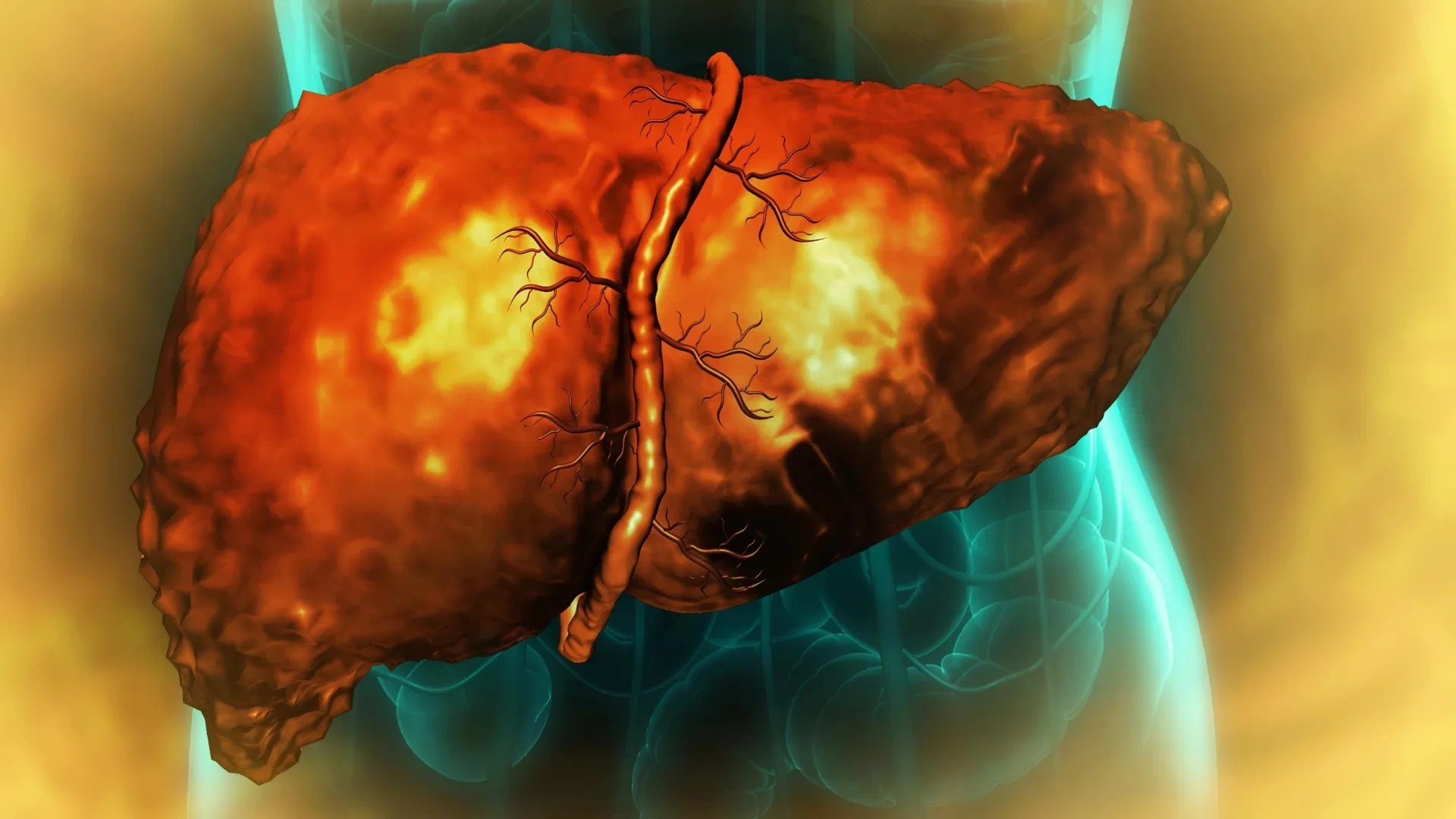
Researchers at Keck Medicine of USC published the study in Liver International. The study found that people exposed to PCE were three times more likely to have significant liver fibrosis. Fibrosis occurs when repeated injury causes scar tissue to build up in the liver, potentially leading to liver failure, liver cancer, or death. The findings showed a clear exposure pattern: as the amount of PCE detected in a person's blood increased, so did the likelihood of significant liver fibrosis. Lead author Brian P. Lee, MD, MAS, a hepatologist and liver transplant specialist with Keck Medicine, said the study underscores the underreported role environmental factors may play in liver health.
Exposure Sources
PCE is a synthetic, colorless liquid effective at dissolving grease, used in dry cleaning, household products, and industrial processes. People can inhale PCE from dry-cleaned clothing, which gradually releases small amounts of the chemical into the air. PCE can contaminate drinking water when spills or improper disposal allow the chemical to move through soil to groundwater. The chemical is also found in arts and crafts adhesives, spot removers, and stainless steel polish.
Regulatory Action
The International Agency for Research on Cancer classifies PCE as a probable carcinogen and has linked exposure to bladder cancer, multiple myeloma, and non-Hodgkin lymphoma. Previous studies have associated PCE exposure with an increased risk of liver cancer, according to Lee. The U.S. Environmental Protection Agency has begun a 10-year phaseout of PCE use in dry cleaning and has prohibited some other uses.
1 source
Time · lag behind first