
Higher ultra-processed food intake tied to 30% higher prostate cancer risk in US men
This digest was compiled by AI from multiple sources — links to the originals are below.
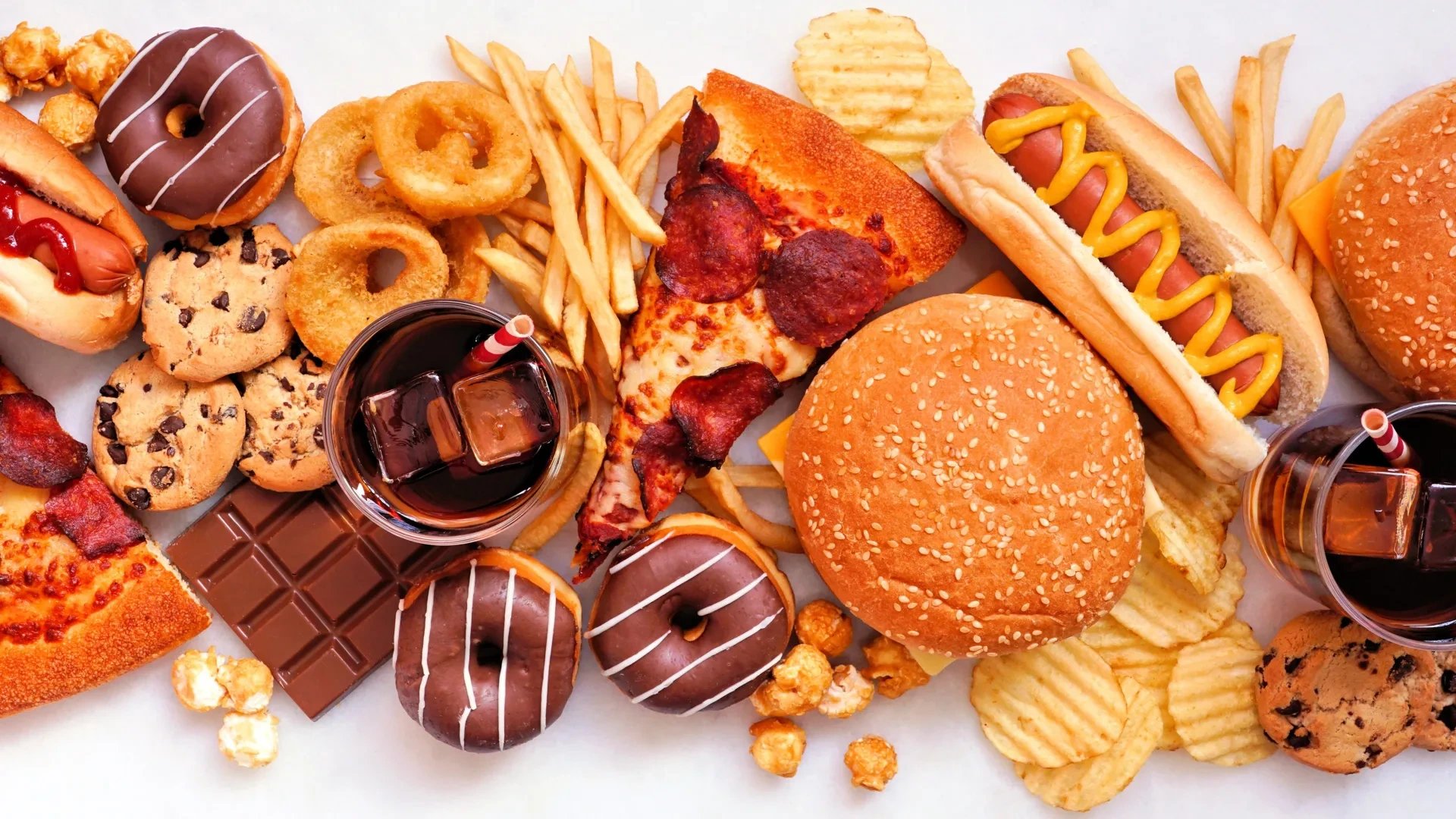
Men who consume more ultra-processed foods have a 30% higher risk of prostate cancer, according to a study of 17,024 U.S. men published in The American Journal of Medicine. The association remained significant after adjusting for age, race, smoking, and poverty status. Ultra-processed foods now supply nearly 60% of calories consumed by U.S. adults.
Key Facts
- The study analyzed data from 17,024 U.S. men aged 18 and older who participated in NHANES between 2003 and 2023.
- Men in the three higher ultra-processed food intake groups had a 29% greater risk of prostate cancer compared with the lowest intake group.
- After adjusting for age, race and ethnicity, smoking, and poverty status, the increased risk ranged from 24% to 31%.
- Ultra-processed foods supply nearly 60% of calories consumed by U.S. adults and about 70% of calories consumed by U.S. children.
- The study was conducted by researchers at Florida Atlantic University's Charles E. Schmidt College of Medicine and published in The American Journal of Medicine.
Study Design
Researchers from Florida Atlantic University's Charles E. Schmidt College of Medicine analyzed nationally representative data from 17,024 U.S. men aged 18 and older who participated in the National Health and Nutrition Examination Survey (NHANES) between 2003 and 2023. Ultra-processed food consumption was estimated using two 24-hour dietary recalls per participant, with foods classified according to the NOVA system. Participants were divided into four groups based on the share of daily calories from ultra-processed foods, ranging from less than about 20% to more than 44%.
Prostate Cancer Risk
Compared with men in the lowest ultra-processed food consumption group, those in the three higher intake groups had a 29% greater risk of prostate cancer. Men in the two highest consumption groups had a 30% greater risk of prostate cancer. The association remained statistically significant after adjusting for age, race and ethnicity, smoking, and poverty status, with increased risk ranging from 24% to 31%. Men in the single highest intake group showed a possible 34% increase in prostate cancer risk, but that result did not reach statistical significance.
Researcher Statement
Charles H. Hennekens, M.D., stated that among adult men in this nationally representative U.S. population, those who consumed higher amounts of ultra-processed foods had significantly higher risks of subsequent prostate cancer development.
2 sources
Time · lag behind first