
Sudan chlorine weapons evidence raises Red Sea energy security risks
This digest was compiled by AI from multiple sources — links to the originals are below.
Investigations by The New York Times and The Washington Post present substantial evidence that Sudanese Armed Forces developed and used improvised chlorine weapons, including near the Al Jaili refinery. The dossier includes bomb designs, test videos, and intercepted communications assessed as credible by intelligence officials and former weapons inspectors. Sudan's military denies the allegations, even as the reported use of chlorine at an oil facility creates a dangerous precedent for energy infrastructure as unconventional-warfare targets.
Key Facts
- The New York Times and The Washington Post published evidence that Sudanese Armed Forces developed, stockpiled, and used improvised chlorine weapons.
- The dossier includes bomb designs, test videos, photographs, and intercepted communications, with no evidence of digital manipulation found by specialists.
- A suspected chlorine attack reportedly occurred near the Al Jaili refinery north of Khartoum.
- Sudan's military denies developing or using chemical weapons and calls American sanctions politically motivated.
- Port Sudan is identified as the central pressure point for energy security in the Red Sea region.
The Evidence Dossier
The investigations by The New York Times and The Washington Post present the most substantial publicly available evidence yet that elements of the Sudanese Armed Forces developed, stockpiled, and apparently used improvised chlorine weapons. The material reportedly includes bomb designs, test videos, photographs, and intercepted communications. Specialists found no evidence that key audio-visual material had been digitally manipulated, while intelligence officials, former weapons inspectors, and human-rights experts assessed the dossier as credible. The dossier provides compelling indications of a probable chlorine-weapons program, though it does not prove every identity, location, date, or operational claim.
Energy Infrastructure at Risk
A suspected attack reportedly occurred near the Al Jaili refinery, north of Khartoum. Energy infrastructure is no longer collateral terrain in Sudan's war; refineries, fuel depots, pipelines, electricity networks, and port facilities provide military mobility, government revenue, and political control. The reported use of chlorine to clear forces from an oil facility would create a particularly dangerous precedent: critical energy assets could increasingly become unconventional-warfare targets. Sudan's war has already demonstrated that increasingly sophisticated drones can strike far behind traditional front lines, with electricity systems and fuel installations attacked alongside military locations.
Regional Security Implications
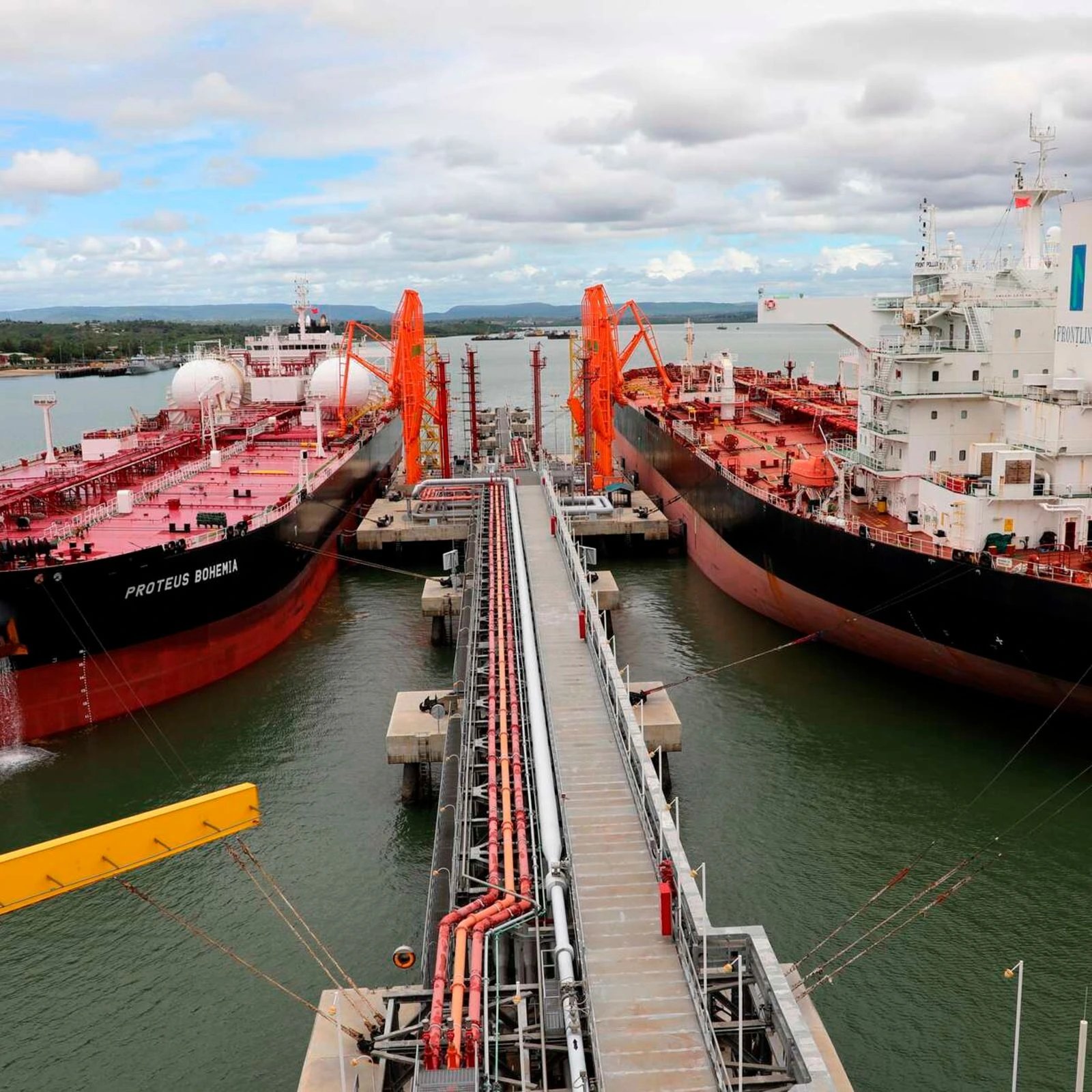
The escalation potential of improvised chlorine munitions should alert external supporters and adversaries alike, emphasizing the need for coordinated efforts to protect energy infrastructure and regional stability. The danger is that chemical-weapons allegations could now be invoked to justify additional strikes against airbases, military-industrial sites, storage areas, and logistics nodes across eastern Sudan. Port Sudan is consequently the central pressure point for energy security.
1 source
Time · lag behind first