
Sarawak Closes 647 Schools as Indonesian Wildfire Haze Hits Hazardous Levels
This digest was compiled by AI from multiple sources — links to the originals are below.
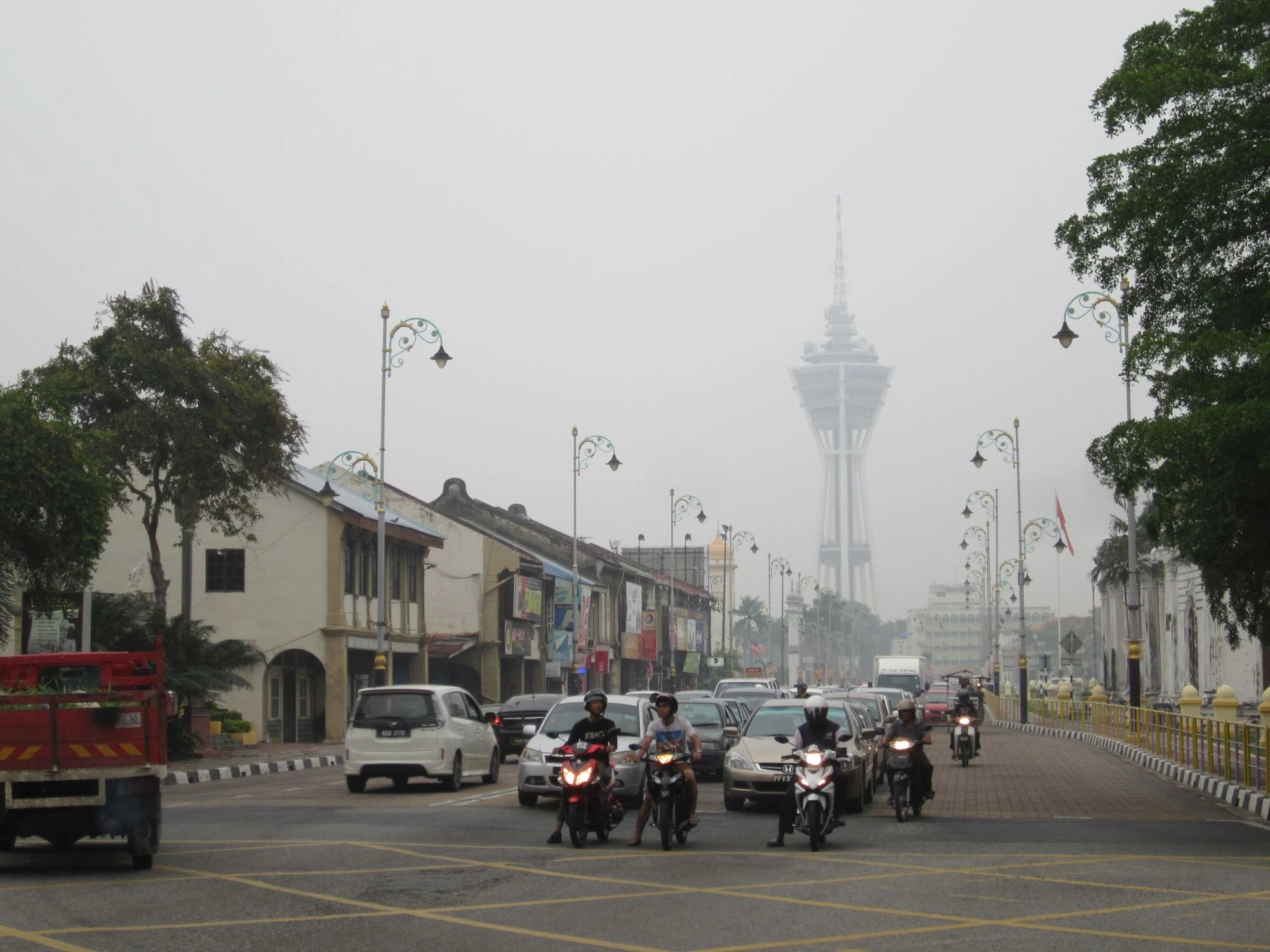
Malaysia's Sarawak state closed 647 schools across 12 districts after haze from Indonesian wildfires pushed air pollution to hazardous levels. Authorities declared an emergency in Serian Division on September 3 as the Air Pollutant Index peaked at 519. The state is experiencing its worst haze episode since 2019.
Key Facts
- Sarawak's Air Pollutant Index peaked at 519 in Serian Division on Friday, far above the 500 threshold for an emergency declaration.
- Malaysian Prime Minister Anwar Ibrahim's office announced King Sultan Ibrahim consented to the emergency declaration for Serian Division on September 3.
- The Sarawak Education Department ordered 647 schools across 12 districts to close and shift to online lessons, with an additional 63 schools in Bintulu Division also shutting.
- The Malaysia Meteorological Department told Channel News Asia this is Sarawak's worst haze episode since 2019.
Emergency Declaration
Malaysian authorities declared an emergency in Serian Division, Sarawak, on September 3 after air pollution reached hazardous levels. Prime Minister Anwar Ibrahim's office stated that King Sultan Ibrahim consented to the declaration, citing air pollution hazardous to public health and safety. Under the emergency measures, government and private offices in Serian town, as well as plantations, construction sites, and quarries, were ordered closed. The Sarawak Disaster Management Committee launched a three-day cloud-seeding operation, which was later extended to today.
School Closures
On Friday, authorities announced that 647 schools across 12 districts, including Serian and the state capital Kuching, would close this week and move lessons online. The Sarawak Education Department announced on Saturday that an additional 54 primary schools and nine secondary schools in Bintulu Division would also shut due to haze. Outdoor events such as carnivals, community runs, and sporting activities have been cancelled, and poor visibility has disrupted some flights, according to Channel News Asia.
Haze Source
The haze stems from wildfires that have raged for weeks across Indonesia's Sumatra and Kalimantan regions, exacerbated by a severe dry season. Transboundary haze has become a seasonal crisis in Southeast Asia, driven by agricultural monocultures such as palm oil, maize, paper pulp, and sugar, compounded by vehicle and industrial emissions. The Malaysian government considers API levels above 300 hazardous to human health, and readings beyond 500 justify an emergency declaration.
1 source
Time · lag behind first