
US Energy Chief Says Navy Escorts to Stay in Hormuz Until Iran Backs Down
This digest was compiled by AI from multiple sources — links to the originals are below.
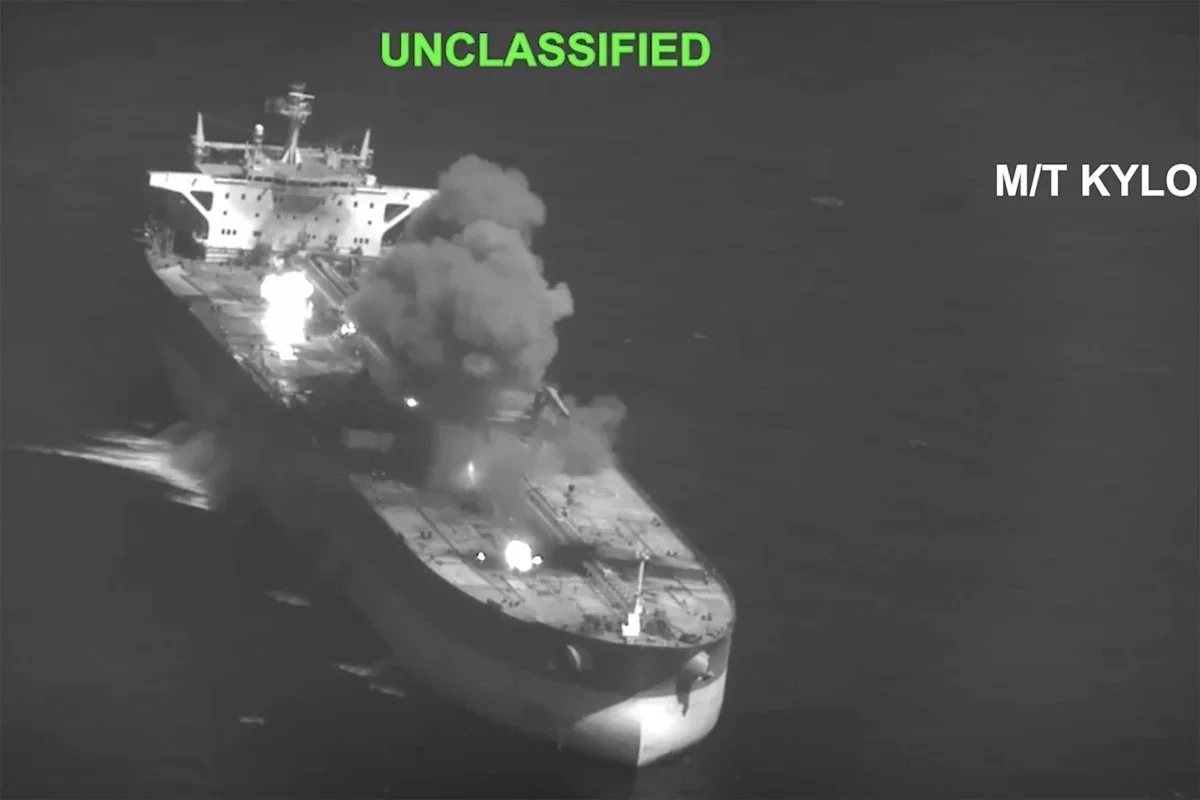
US Energy Secretary Chris Wright said Sunday that Navy escorts are essential to sustaining crude flows through the Strait of Hormuz and will continue until Iran changes its position. Oil transits through the strait are averaging more than 9 million barrels per day, with regional flows back to two-thirds or more of pre-conflict levels. Wright's comments come as US forces struck three Iranian crude carriers Saturday after the IRGC launched ballistic missiles at two US Navy warships.
Key Facts
- Oil transits through the Strait of Hormuz are averaging more than 9 million barrels per day, according to Energy Secretary Chris Wright.
- US Central Command said American forces struck three Iranian crude oil carriers on Saturday.
- The average US price for a gallon of unleaded gasoline reached $4.15 on Friday, a record for September, according to AAA.
- Diesel prices in the US rose to a record $5.88 a gallon.
- The Strait of Hormuz typically carried about a fifth of the world's oil and gas supplies before the war began on Feb. 28.
Navy Escort Operations
US Navy escorts are helping tankers cross the Strait of Hormuz, and Energy Secretary Chris Wright said Sunday that these operations are essential to sustaining crude flows through the waterway. Wright said on CNN's State of the Union that the Iranians are still causing trouble, but the United States Navy is winning that battle. He added that other nations will come and work with the US in this endeavor, but until Iran changes their position or changes their government, the US will have to deal with them.
Oil Flow Recovery
With additional crude and products moving through pipelines and other paths, the region is back to two thirds or more of pre-conflict flows, Wright said on CNN. Last week, Wright said that some 17 million barrels of oil transited the strait on Monday. Sustaining those oil flows is seen as critical for meeting the world's energy needs and for protecting a global economy already battered by the Iran war.
US Fuel Prices
Fuel prices have surged in the US, with the average cost of a gallon of unleaded reaching $4.15 Friday, a record for September and well above the $3.80 drivers paid on July 4, according to auto club AAA. Diesel prices rose to a record of $5.88 a gallon. The price surge is a potent political issue as President Donald Trump looks to quell voter concern about rising costs before the November midterm elections.
1 source
Time · lag behind first