
Energy trackers and White House split over Strait of Hormuz oil traffic data
This digest was compiled by AI from multiple sources — links to the originals are below.
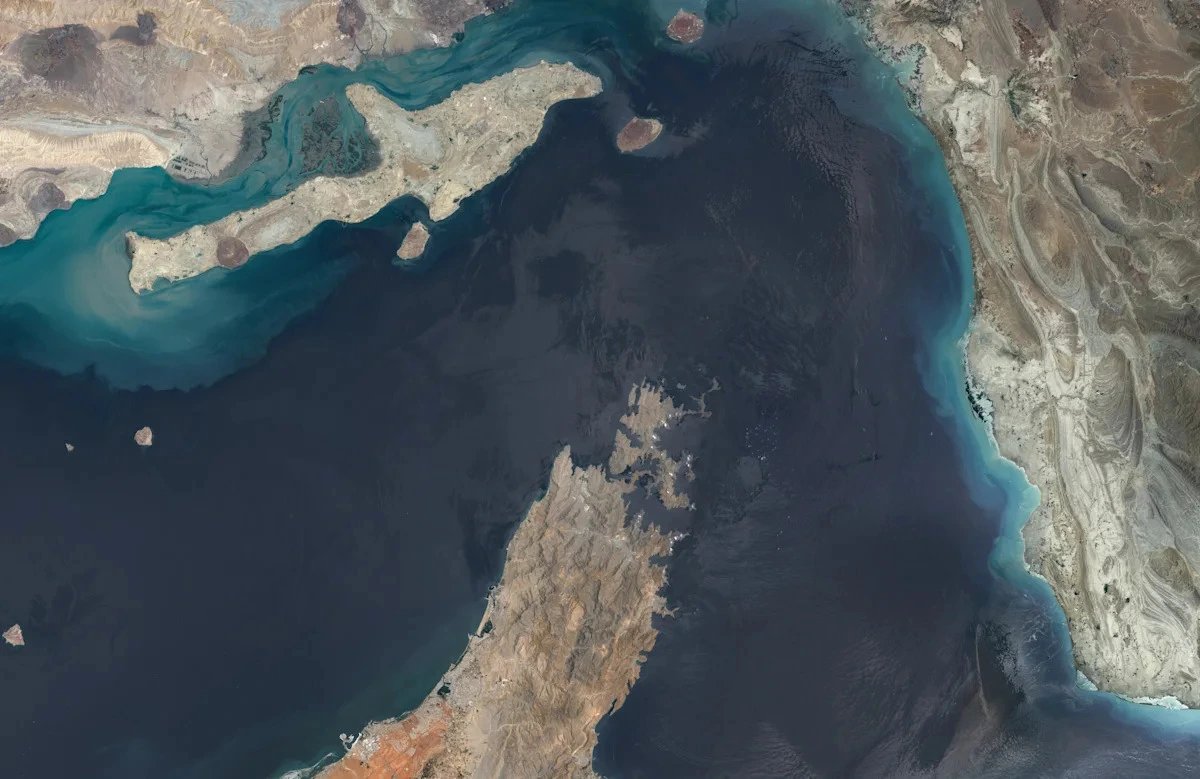
Ship-tracking service Kpler reported only five ships crossed the Strait of Hormuz on Monday, while U.S. Energy Secretary Chris Wright claimed over 17 million barrels of oil passed through the waterway that day. The conflicting figures deepen a months-long dispute between independent trackers and the Trump administration over traffic levels in the strait. The disagreement persists even as renewed U.S.-Iran attacks pushed crude prices above $95 a barrel.
Key Facts
- Kpler reported that only five ships crossed the Strait of Hormuz on Monday, a sharp decline from pre-conflict levels of roughly 120 vessels per day.
- U.S. Energy Secretary Chris Wright claimed over 17 million barrels of oil passed through the strait on Monday, calling it a record since the conflict began.
- The IMF and Oxford University documented fewer than five oil tanker crossings per day and overall crossing numbers in the single digits for weeks.
- Prior to the war, nearly 15 million barrels of crude oil routinely transited the Strait of Hormuz, about 20 million barrels including other petroleum products.
- Samir Madani, co-founder of TankerTrackers.com, suggested Wright was adding up ship-to-ship transfers over multiple days into a single day, calling it 'mathemagics.'
Conflicting Traffic Data
Kpler reported that traffic declined sharply on Monday, with just five ships crossing the Strait of Hormuz, the same day the U.S. and Iran exchanged fire for the first time in a month. The data platform documented a mix of official ships and shadow vessels using concealment tactics. Energy Secretary Chris Wright said in a CNBC interview that over 17 million barrels of oil passed through the waterway on Monday, calling it a record since the beginning of the conflict. Wright's figures are rooted in claims from the Trump administration that dozens of ships are being assisted by the U.S. Navy each night, undetected by commercial shipping trackers. Kpler and other analytics firms use satellite imagery and other tools to gauge traffic in the waterway, which is about 21 miles wide at its narrowest point.
White House Claims and Skepticism
President Trump told reporters on Monday that the U.S. has been averaging 30 ships a night and that a lot of oil is coming out. Weeks of data from the IMF and Oxford University show fewer than five oil tanker crossings per day and overall crossing numbers in the single digits, far below the pre-conflict level of roughly 120 vessels per day. Trump weighed in on Wednesday on Truth Social, again claiming U.S. control over the waterway and asking, 'Should we change the name Hormuz Strait to TRUMP STRAIT???' Mason Hamilton, a vice president of economics and research at the American Petroleum Institute, posted on X, 'Might as well just rename it Schrödinger's Strait…'
Ship-to-Ship Transfer Dispute
As the U.S. has worked to carve out a path for oil tankers that hews closer to Oman, more oil shippers are using smaller tankers to move through the narrow Strait of Hormuz and then transferring their volumes to larger tankers in the broader Arabian Sea. Samir Madani, co-founder of TankerTrackers.com, said that process can be time consuming over days, and it appears Wright is adding up transfers over multiple days into a single day. Prior to the war, nearly 15 million barrels of crude oil routinely trekked the Strait of Hormuz—about 20 million barrels including other petroleum products. Wright seems to be counting products too, according to Fortune's analysis of his remarks.
2 sources
Time · lag behind first