
Caspian seal haul-outs shift as sea recedes, Kazinform expedition finds
This digest was compiled by AI from multiple sources — links to the originals are below.
A Kazinform expedition in March-April 2026 found Caspian seals hauling out on only two new islets in the Tyuleniy Archipelago, down from 11 islets a year earlier. Researchers link the redistribution to rapid shallowing of the northeastern Caspian Sea. The team also documented new haul-outs, shoreline changes, and seal mortality across the region.
Key Facts
- In March 2026, seals were observed on only two new islets in the Tyuleniy Archipelago, compared with 11 islets in 2025.
- The expedition ran from 23 March to mid-April 2026, covering the Tyuleniy Islands, Karazhanbas, Kenderli, and the Tupkaragan coast.
- Researcher Assel Baimukanova has studied Caspian seals for 11 years and participated in more than 25 expeditions.
- The Prorva sand spit, periodically flooded in 2022, has grown into a larger seal habitat by 2026 due to shallowing.
Expedition Findings
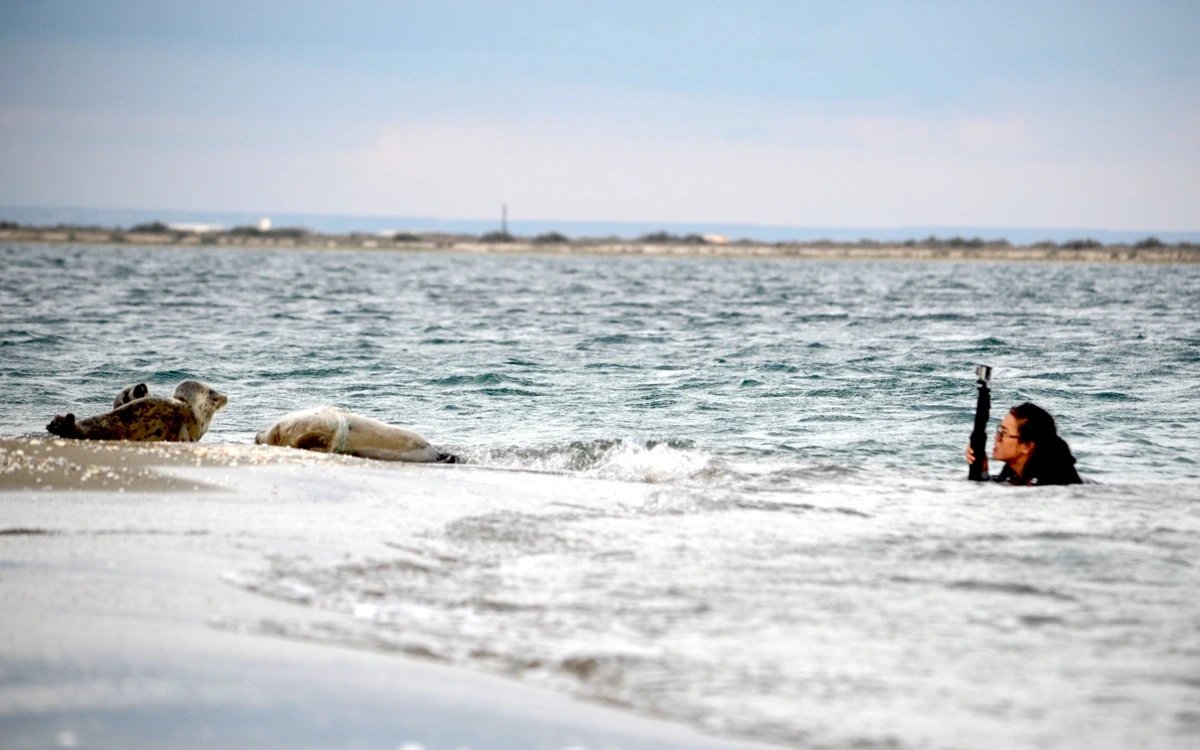
The team arrived at the Tyuleniy Islands on 23 March and spent two days collecting samples from dead seals and monitoring with a drone. The main difference from the previous year was the number of islets used by seals: 11 in 2025 versus only two new islets in 2026. From 29 March to 7 April, the researchers monitored the shallow northeastern Caspian using two boats, documenting new islands and extended former haul-out sites. On 7 April, the team returned to the Tyuleniy Islands but found fewer seals than expected. At a new islet near Kenderli, only two seals were observed before the field phase concluded.
Shallowing Sea and Habitat Shift
Baimukanova states that the Caspian Sea is shallowing, directly altering the geography of seal resting sites. The Prorva sand spit, which was periodically flooded during surges in 2022, has become significantly larger and now serves as suitable seal habitat. Seals are abandoning some areas and redistributing to new shallows as the coastline and sea level change year by year.
1 source
Time · lag behind first