
Ohio State researchers identify SET protein as glioblastoma treatment target
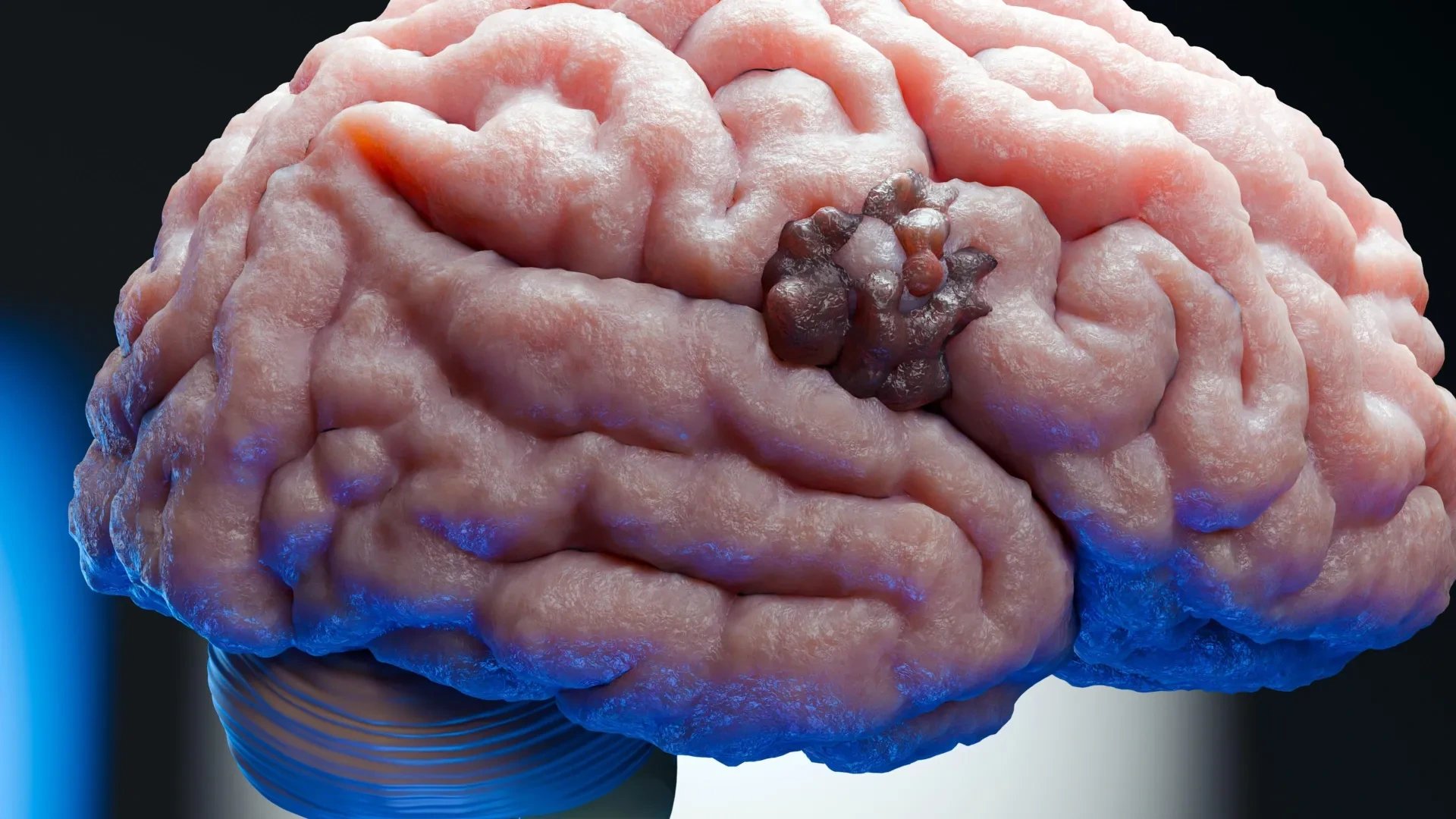
This digest was compiled by AI from multiple sources — links to the originals are below.
Researchers at The Ohio State University Comprehensive Cancer Center identified the SET protein as a target that makes glioblastoma cells more vulnerable to radiation and chemotherapy. In preclinical experiments, suppressing SET prevented tumor formation and increased cancer cell sensitivity to treatment. The findings were published in the May 2026 issue of Cancer Letters.
Key Facts
- Suppressing the SET protein prevented glioblastoma tumors from developing in preclinical experiments.
- Blocking SET and related proteins ANP32A and CIP2A increased glioblastoma cell sensitivity to radiation.
- The study was published in the May 2026 issue of Cancer Letters.
- The research was supported by grants from the National Institutes of Health, National Cancer Institute, and The Ohio State University Comprehensive Cancer Center.
- An FDA-approved antipsychotic drug that increases PP2A activity was examined but is not ready for use as a glioblastoma treatment.
SET Protein Target
Researchers at The Ohio State University Comprehensive Cancer Center - Arthur G. James Cancer Hospital and Richard J. Solove Research Institute identified the SET protein as a possible target to make glioblastoma cells easier to kill with existing therapies. In preclinical experiments, suppressing SET prevented tumors from developing. The team focused on PP2A, an enzyme that regulates signals cancer cells use to grow, survive, and recover from treatment-related damage. Glioblastoma cells interfere with PP2A using three proteins: ANP32A, CIP2A, and SET. Blocking those proteins in laboratory and animal models resulted in fewer surviving cancer cells and increased vulnerability to radiation.
Treatment Implications
Arnab Chakravarti, MD, chair of radiation oncology at the OSUCCC - James, said glioblastoma is hard to treat because it can adapt and survive. He stated that restoring PP2A activity may make glioblastoma cells less able to survive treatment, providing a clear path to test whether the approach can make radiation and chemotherapy more effective for patients with GBM. The results remain preliminary and have not yet been evaluated in patients. Researchers are now investigating whether SET or other PP2A-suppressing proteins can be targeted safely and whether doing so improves the effectiveness of standard glioblastoma therapies. The team also examined an FDA-approved antipsychotic drug capable of increasing PP2A activity, but the drug is not ready for use as a glioblastoma treatment and should not be taken for this purpose outside a clinical trial.
1 source
Time · lag behind first