
High blood sugar thickens cancer cells' sugar coating, aiding immune evasion
This digest was compiled by AI from multiple sources — links to the originals are below.
Researchers at Sanford Burnham Prebys found that high glucose levels thicken the glycocalyx, a sugar-derived coating on cancer cells, making them harder for the immune system to detect. The study, published August 7, 2026 in Science Advances, shows that stiff tumor environments and nutrient-rich media further enhance this effect. The findings suggest a potential strategy to strip this coating and improve immune recognition.
Key Facts
- The study was published August 7, 2026, in Science Advances.
- Lead author Kevin Tharp, PhD, is an assistant professor in the Cancer Metabolism and Microenvironment Program at Sanford Burnham Prebys.
- Cells grown in stiff environments and nutrient-rich media showed thicker glycocalyx coatings.
- The researchers identified a potential way to reduce the sugar-rich coating, which could make cancer cells easier for the immune system to eliminate.
Tumor Microenvironment
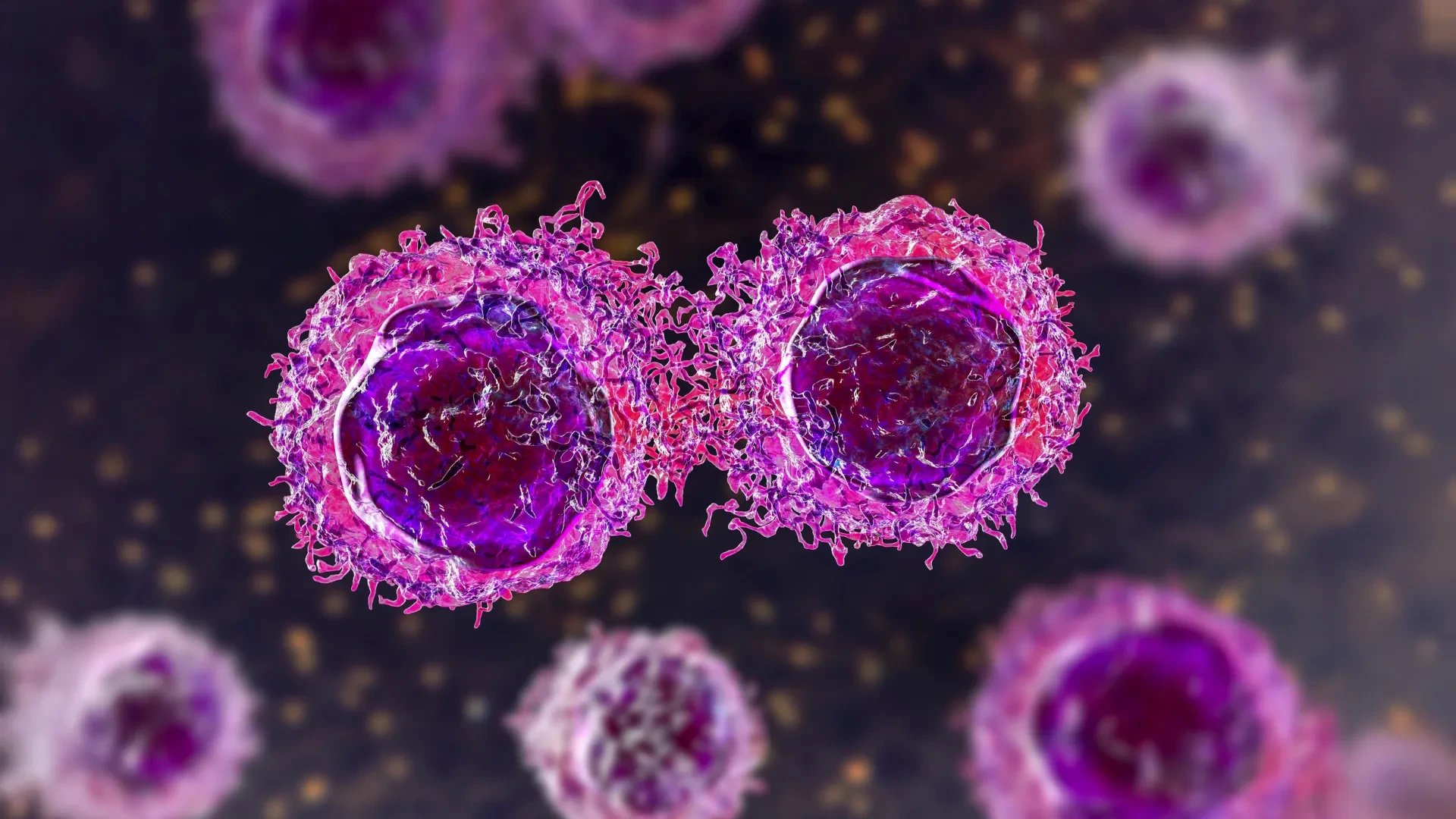
Cancer cells can evade the immune system by surrounding themselves with a dense layer of sugar-derived molecules called the glycocalyx. Researchers at Sanford Burnham Prebys Medical Discovery Institute and collaborating institutions across North America identified environmental conditions that help cancer cells build this protective layer. The tumor microenvironment includes immune cells, connective tissue, blood vessels, proteins, and carbohydrates. Changes in this microenvironment can influence how effectively cancer cells conceal themselves.
Experimental Conditions
Lead author Kevin Tharp, PhD, hypothesized that biophysical properties of cells influence altered metabolic programs in tumors. Primary tumors are typically stiffer than surrounding tissue, subjecting cancer cells to significant mechanical forces. The researchers exposed cells to abundant glucose while growing them under stiff or soft environments and in standard or physiologically matched media. Both media types were tested under normal and elevated glucose conditions to simulate hyperglycemia.
Glycocalyx Thickening
Environmental differences produced notable changes in proteins, metabolite concentrations, and glycocalyx thickness. High glucose levels thickened the sugar-derived coating on cancer cells. The researchers identified a potential way to reduce this coating, potentially making cancer cells easier for the immune system to detect and eliminate.
1 source
Time · lag behind first