
Multipolarity gives middle powers more choices, but fewer security guarantees
This digest was compiled by AI from multiple sources — links to the originals are below.
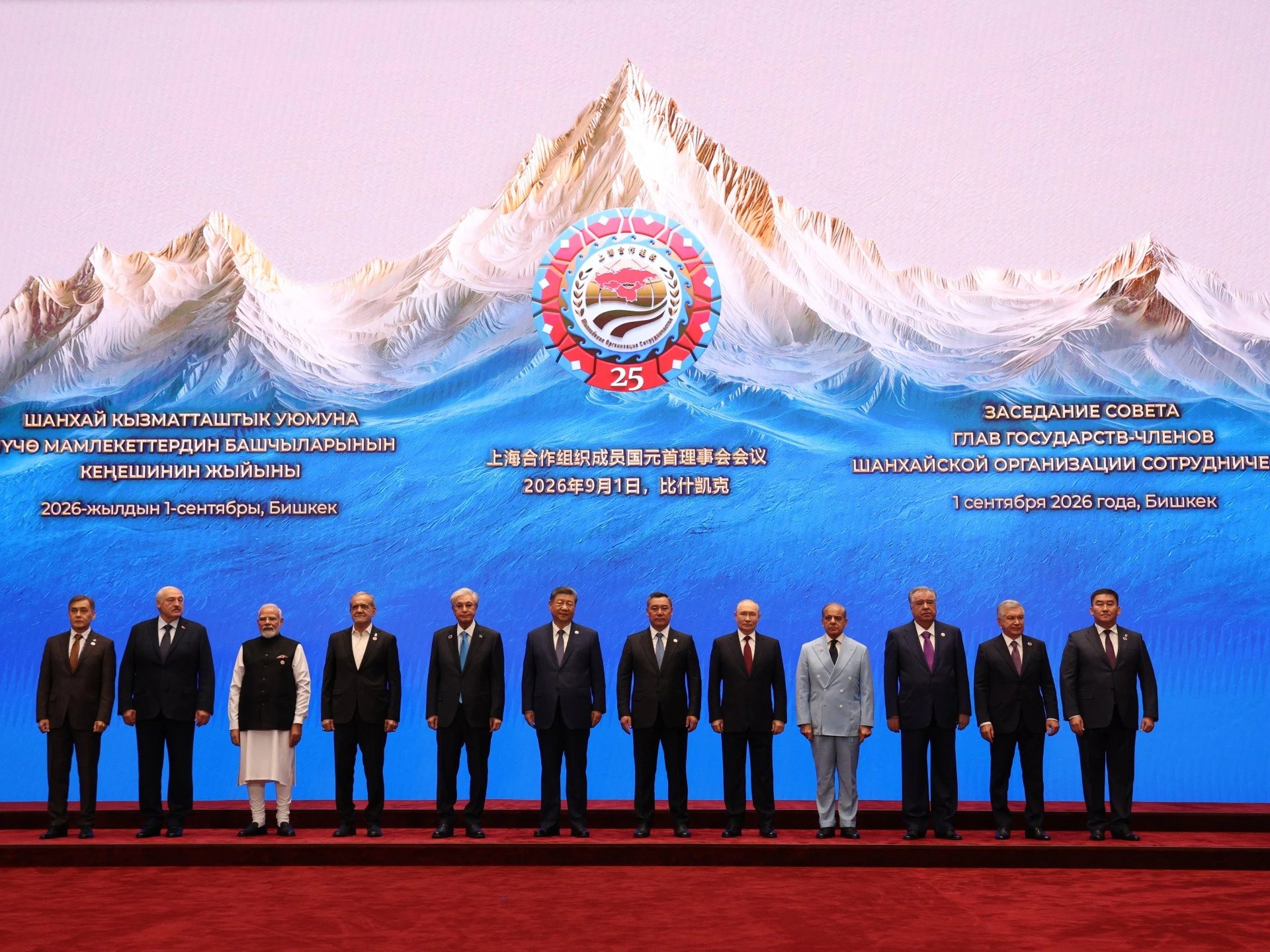
The SCO summit in Bishkek condemned military attacks on Iran and reaffirmed its sovereignty, but stopped short of offering collective defence. The US-Israeli war on Iran shows that non-Western partnerships cannot replace formal military alliances for middle powers. The emerging multipolar order offers more diplomatic and economic options without new security guarantees.
Key Facts
- The SCO condemned military attacks on Iran as violations of international law and the UN Charter at its Bishkek summit.
- The SCO did not offer to defend Iran, distinguishing political solidarity from collective defence.
- Turkiye has been a NATO member for more than seven decades and remains embedded in Western security architecture.
- Turkiye maintains relations with Russia despite the war in Ukraine and participates in the SCO as a dialogue partner.
SCO Response to Iran
At the SCO summit in Bishkek, Iranian President Masoud Pezeshkian received political support from the organisation. The SCO condemned military attacks against Iran, describing them as violations of international law and the UN Charter. The organisation reaffirmed Iranian sovereignty and territorial integrity and called for a political and diplomatic resolution. However, the SCO did not offer to defend Iran, highlighting the gap between political solidarity and collective defence.
Multipolarity and Middle Powers
Discussions about multipolarity have long suggested that a US-led system would be challenged by a bloc centred on China, Russia, BRICS, and the SCO. Middle powers joined these institutions expecting to reduce vulnerability to Western isolation and pressure. The US-Israeli war on Iran shows that these alternative relationships cannot provide security guarantees comparable to formal military alliances. The emerging multipolar order produces a dense network of overlapping partnerships that offer diplomatic and economic options without new security guarantees.
Turkiye's Balancing Strategy
Turkiye has been a NATO member for over seven decades and remains embedded in Western security architecture. Ankara has maintained relations with Russia despite the war in Ukraine and expanded engagement with China. Turkiye participates in the SCO as a dialogue partner while its differences with the US and Israel over the Middle East become more visible. Ankara's strategy depends on avoiding a binary choice between NATO and a Chinese- or Russian-led bloc.
1 source
Time · lag behind first