
DeepSeek plans 160,000-chip Huawei cluster in Inner Mongolia
This digest was compiled by AI from multiple sources — links to the originals are below.
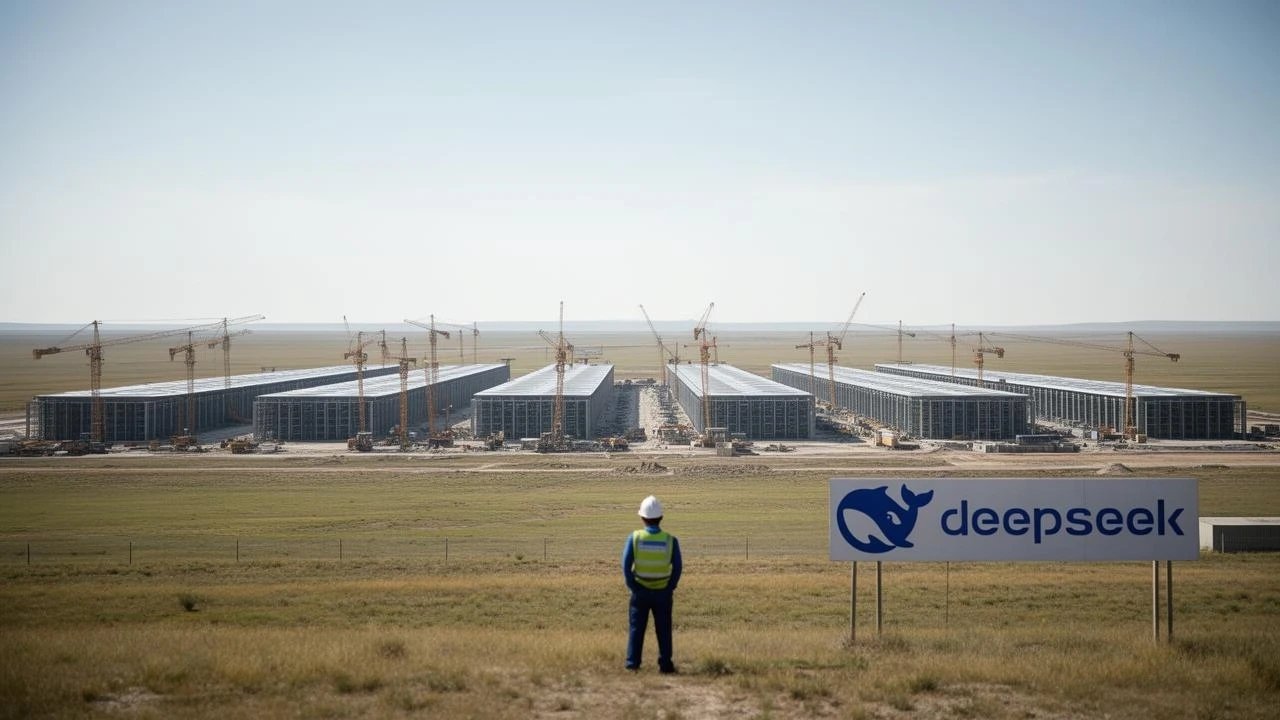
DeepSeek plans to deploy at least 160,000 of Huawei's next-generation Ascend-950DT chips in a data center in Inner Mongolia. The chips would run inference workloads only, while DeepSeek continues to use Nvidia hardware for training. If built, the cluster would be the largest known Huawei chip deployment.
Key Facts
- DeepSeek plans to deploy at least 160,000 Huawei Ascend-950DT chips in Inner Mongolia.
- The Huawei chips would run only inference workloads, not training.
- DeepSeek still uses Nvidia hardware for training workloads.
- Huawei likely cannot deliver the full order for over a year due to production limits and memory chip shortages.
- China's CXMT has begun small-batch production of HBM3E memory, but remains three to five years behind Samsung, SK Hynix, and Micron.
The Planned Cluster
DeepSeek plans to deploy at least 160,000 of Huawei's next-generation Ascend-950DT chips in a massive data center in Inner Mongolia. The chips would run only inference workloads, not training, according to Bloomberg. For the much heavier training workloads, DeepSeek still uses Nvidia hardware. If built, this would be the largest known Huawei chip cluster and a real step toward weaning China off Nvidia.
Supply Constraints
Huawei probably can't deliver the full order for over a year, though, thanks to production limits and memory chip shortages. The memory bottleneck could loosen up, as China's top memory maker CXMT is turning out small batches of HBM3E for the first time. HBM3E is the high-speed memory that powers many AI processors. CXMT is still three to five years behind Samsung, SK Hynix, and Micron, all of which are already mass-producing HBM4.
Government Push
DeepSeek's order is part of a bigger Chinese government push to grow its own chip industry without falling behind in AI.
1 source
Time · lag behind first