
Trump imposes up to 100% tariffs on imported drones and critical components
This digest was compiled by AI from multiple sources — links to the originals are below.
The Trump administration imposed tariffs of up to 100% on imported drones and critical components, effective September 3. The measure targets Chinese-made drones, particularly those from DJI, while allied nations face lower rates of 10-15%. The tariffs are part of a broader effort to reduce reliance on foreign drones over national security concerns.
Key Facts
- Tariffs of up to 100% took effect on September 3, 2026, 21 days after President Trump signed the measure on August 13.
- Drones with a maximum takeoff weight above 55 pounds (25 kg), thermal imaging, or docking stations face the 100% rate.
- Drones and components from the EU, Japan, Liechtenstein, South Korea, Switzerland, and Taiwan are set at 15%, while those from the UK are set at 10%.
- A second group of components for smaller consumer and commercial drones faces a 25% tariff that does not take effect until February 9, 2027.
- In December 2025, the FCC added all foreign-made drones and critical components to its Covered List, blocking new models from domestic sale authorization.
Tariff Structure
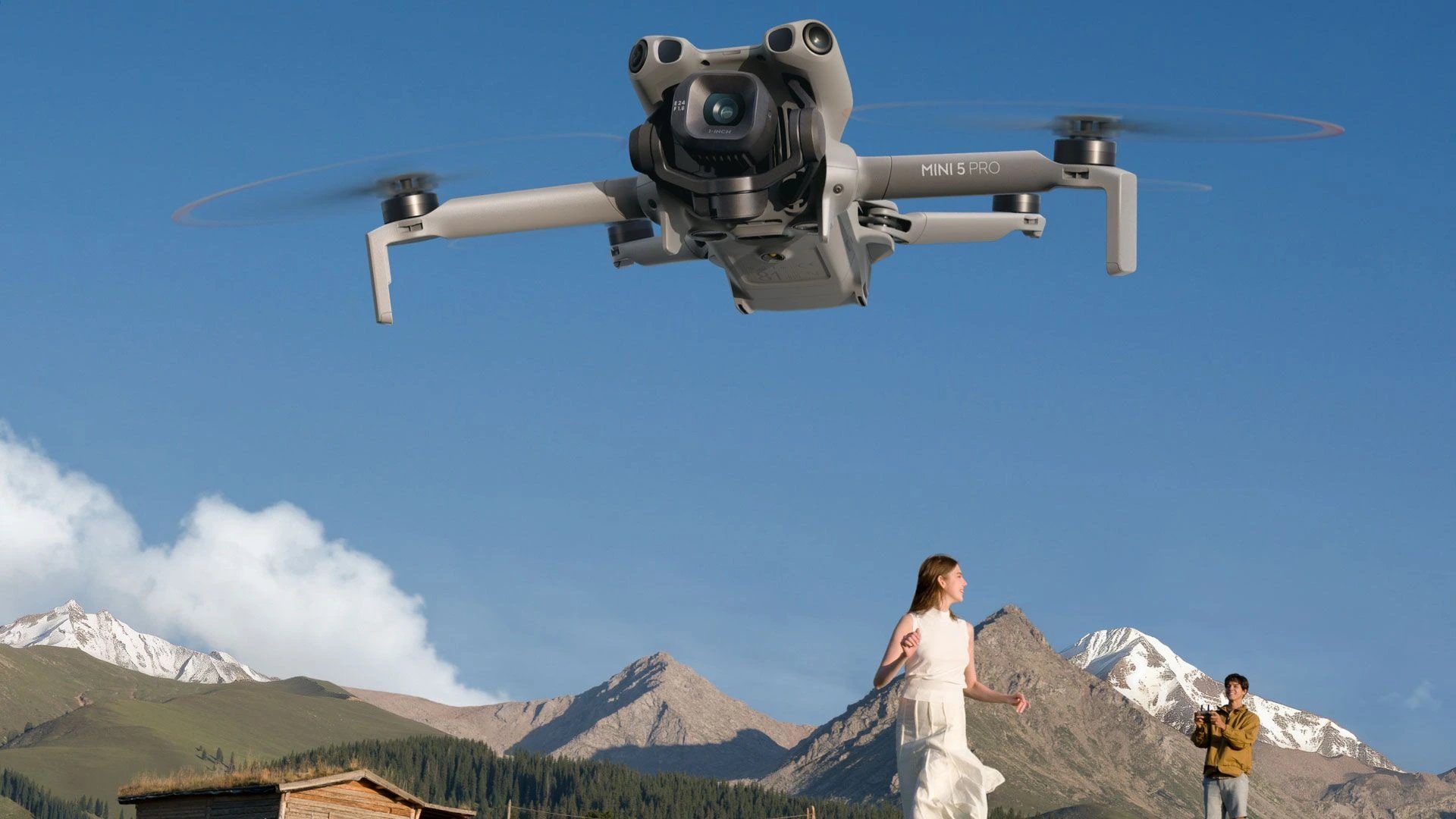
The proclamation categorizes drones by capability, with the 100% rate applying to unmanned aircraft with a maximum takeoff weight above 55 pounds (25 kg), any drone with thermal imaging and docking stations, and a defined list of critical components including static converters, airframe components, and electronic control boards. A 25% rate applies to smaller drones lacking those capabilities, as well as other components. DJI's thermal-equipped Matrice series falls into the 100% bracket regardless of weight, while consumer models such as the Mini and Air series are at 25%. Both rates apply to imports regardless of country of origin, except for specific allied countries.
Allied Country Rates
Drones and components from the European Union, Japan, Liechtenstein, South Korea, Switzerland, and Taiwan are set at 15%, provided that substantially all of the hardware, software, and technology originates in those countries or the United States. Those from the United Kingdom are set at 10% under the same origin requirements. The tariffs overwhelmingly land on China, home to DJI, which holds more than two-thirds of the global market and supplies the bulk of drones on US shelves.
Implementation Timeline
A 25% to 100% rate on finished aircraft, docking stations, and the most sensitive components took effect on September 3. For a second, lower-priority group of components produced for smaller consumer and commercial drones, the 25% rate does not take effect until February 9, 2027. The administration framed the 180-day runway as time for importers to shift sourcing. In December 2025, the Federal Communications Commission added all foreign-made drones and their critical components to its Covered List, blocking new models from the authorization they need to be sold domestically.
1 source
Time · lag behind first