
Trump imposes 100% tariffs on drones and aircraft parts
This digest was compiled by AI from multiple sources — links to the originals are below.
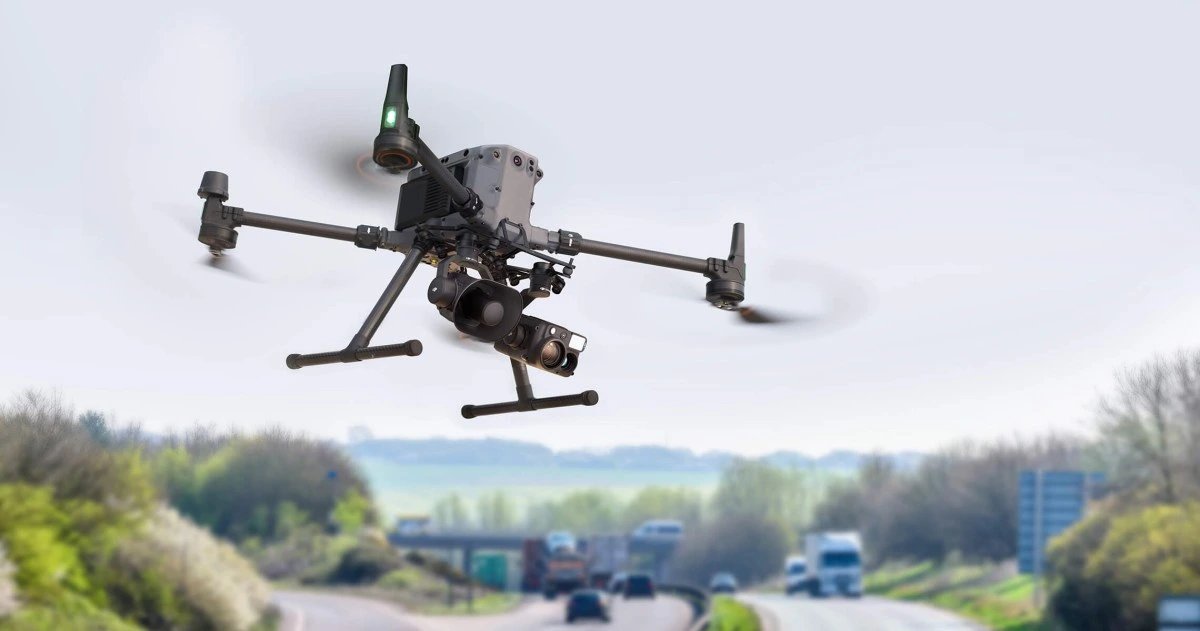
President Donald Trump announces 100 percent tariffs on drones with thermal cameras, drones weighing over 25 kg, and all parts for large unmanned aircraft, along with 25 percent tariffs on other drones. Companies that commit to producing some drones or parts in the United States are exempt, and select allies receive lower rates.
Key Facts
- The 100 percent tariff applies to drones with thermal cameras and any unmanned aircraft weighing over 25 kg.
- The tariff also covers all parts for any kind of unmanned aircraft weighing over 25 kg.
- All other drones, including sub-250-gram Mini consumer models, face a 25 percent tariff.
- Companies that commit to producing some drones or aircraft parts in the United States are exempt from the tariffs.
- The EU, Japan, Liechtenstein, South Korea, Switzerland, and Taiwan receive a 15 percent rate, while the UK receives 10 percent, provided that substantially all hardware, software, and technology originates from within those countries and the United States.
Tariff Rates and Scope
The United States imposes 100 percent tariffs on drones with thermal cameras and any unmanned aircraft weighing over 25 kg. The tariff also covers all parts for any kind of unmanned aircraft over that weight. All other drones, including sub-250-gram Mini consumer models, face a 25 percent tariff. The action targets existing drone imports and parts after an earlier ban on future foreign drones.
Exemptions and Allied Rates
A company that commits to making some of its drones or aircraft parts in the United States does not pay the tariffs. The EU, Japan, Liechtenstein, South Korea, Switzerland, and Taiwan receive a 15 percent rate, while the UK receives 10 percent. The lower rates apply only if substantially all hardware, software, and technology originates from within those countries and the United States. Trump said he would make similar deals when he threatened a 100 percent tariff on computer chips last year.
Security Rationale and Legal Context
The proclamation says U.S. commercial drone manufacturers depend on foreign sources for motors, electronic speed controllers, lithium-ion batteries, and docking stations, creating national security vulnerabilities. It also states that drone software can send data back to a foreign manufacturer, posing an information technology security risk. Trump authorized the Secretary of Commerce to create a program to incentivize new investment in U.S. production facilities for drones and components. The Supreme Court ruled earlier this year that Trump's global tariffs were illegal, and the U.S. Court of International Trade ruled against them as well.
1 source
Time · lag behind first