
Central Asia experts urge stronger regional agency amid fragmented global order
This digest was compiled by AI from multiple sources — links to the originals are below.
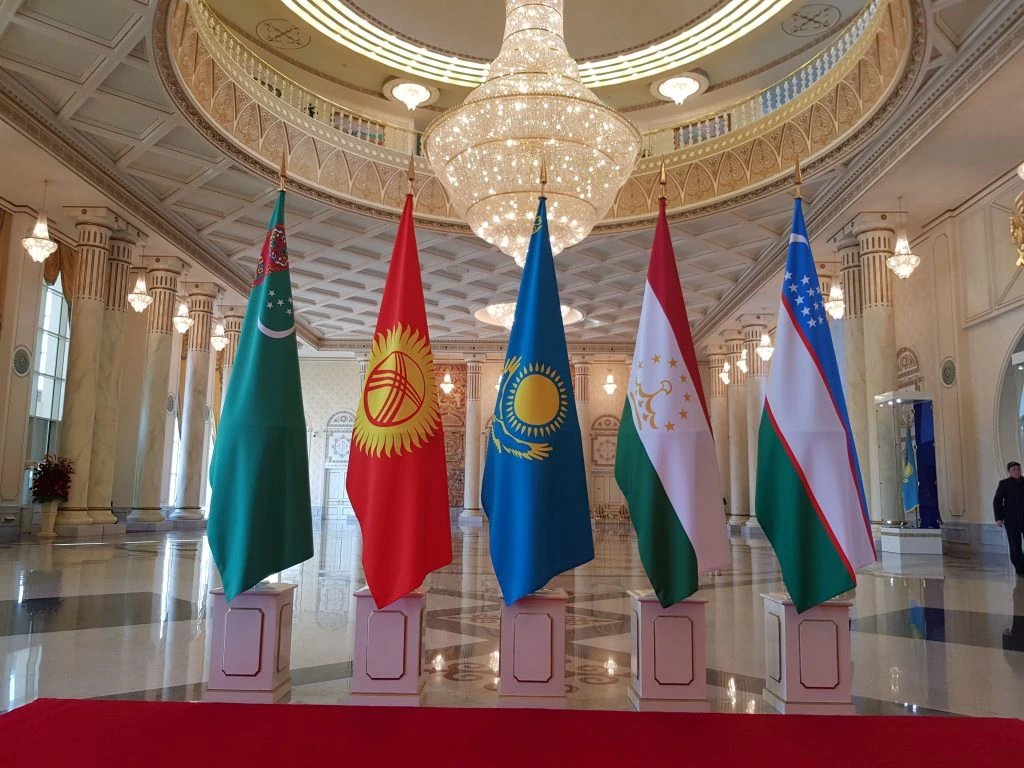
Top experts argued in Astana on Aug. 31 that Central Asia should pursue deeper regional coordination, diversified partnerships, and stronger international rules rather than align with a geopolitical camp. The discussion followed the launch of Marc Saxer's book on the 'wolf world' of great-power competition. Panelists said the region's geography, resources, and growing cooperation give it an opportunity to shape the emerging global order.
Key Facts
- The expert discussion took place in Astana on Aug. 31 following the launch of Marc Saxer's book 'Geopolitical Conflict in the Wolf World.'
- Panelists included Nargiza Murataliyeva from the American University of Central Asia, Dauren Aben from the Kazakhstan Institute for Strategic Studies, and Akram Umarov from the University of World Economy and Diplomacy in Uzbekistan.
- Since 2018, consultative meetings of Central Asian heads of state, with the latest held in Cholpon-Ata in July, have created a distinct form of regional cooperation.
- The region depends heavily on external markets, infrastructure, and technology while demand for its critical minerals, uranium, energy resources, and transit routes has increased its strategic value.
Regional Agency
Experts argued that Central Asia should no longer be viewed merely as an arena for outside powers or an object of the 'great game.' Dauren Aben said that for a long time the region has been considered through the prism of great-power rivalry, but such questions are increasingly insufficient. Nargiza Murataliyeva stressed that outdated vocabulary like 'buffer' or 'transit zone' has become obsolete as the five countries develop greater regional agency. The consultative meetings of Central Asian heads of state, including the July summit in Cholpon-Ata, have built a cooperation model unlike any existing regional organization.
Geopolitical Context
The region sits between Russia and China, borders Afghanistan, and is surrounded by ongoing conflicts. It depends heavily on external markets, infrastructure, and technology, while demand for its critical minerals, uranium, energy resources, and transit routes has increased its strategic value. Marc Saxer's book describes a fragmented international system in which institutions are weakening, geopolitical competition is intensifying, and power increasingly determines outcomes.
1 source
Time · lag behind first