
Central Asia land degradation affects 24 million people, costs up to $6 billion annually
This digest was compiled by AI from multiple sources — links to the originals are below.
More than 80 million hectares of land in Central Asia are degraded, affecting nearly 30% of the region's population. Annual economic losses from land degradation range from $2 billion to $6 billion. The findings were presented on 26 August 2026 at the UNCCD COP17 in Ulaanbaatar.
Key Facts
- More than 80 million hectares of land in Central Asia are degraded, covering over a quarter of the region's territory.
- Nearly 30% of Central Asia's population, around 24 million people, live on degraded lands with declining productivity.
- Annual economic losses from land degradation in Central Asia range from $2 billion to $6 billion.
- 60% to 80% of rangelands in Central Asia suffer from degradation driven by overgrazing and decay of seasonal livestock infrastructure.
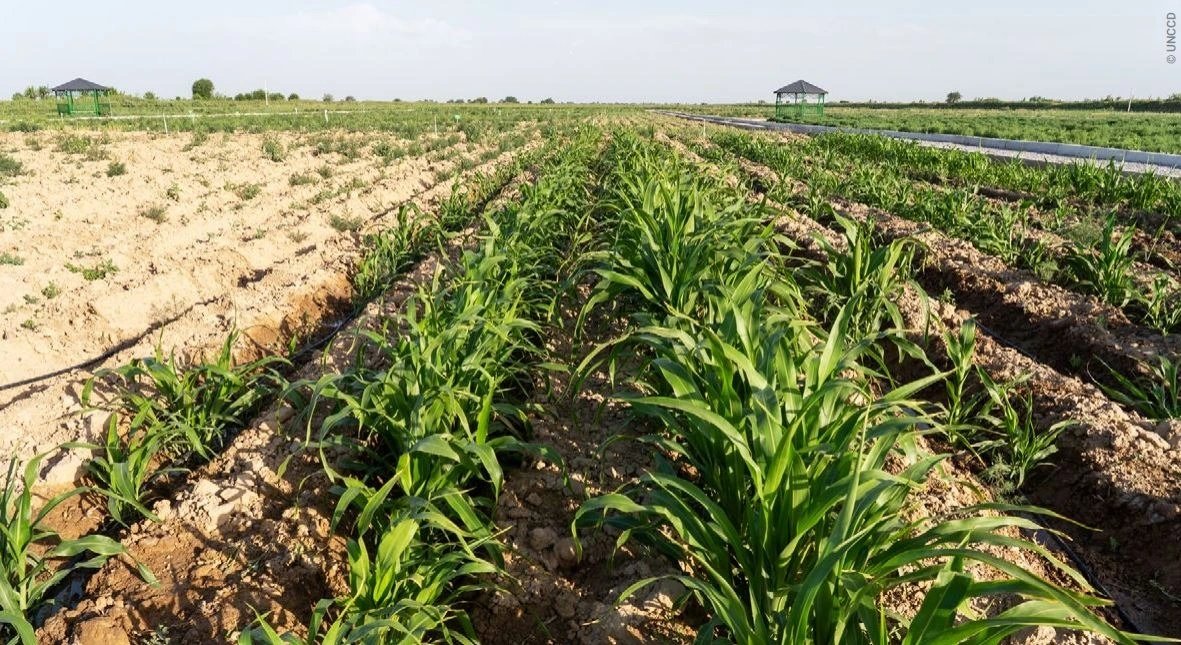
- 40% to 60% of irrigated land in Central Asia is affected by secondary salinization due to inefficient irrigation and deteriorating drainage.
Scale of Degradation
Central Asia's land resources face mounting pressure from extreme weather, rapid warming, systemic resource management errors, and high urbanization rates. More than 80 million hectares—over a quarter of the region's land area, roughly four times the size of Kyrgyzstan—are already degraded. The environmental crisis directly impacts nearly 30% of the region's population, around 24 million people living on degraded lands with declining productivity. Depending on assessment methodology, annual losses range from $2 billion to $6 billion, including crop yield shortfalls, livestock decline, migration, and increased morbidity.
Rangeland and Irrigation Stress
Rangelands cover 70–80% of the region's total area, with 60% to 80% suffering from varying degrees of degradation driven by overgrazing and decay of seasonal livestock infrastructure. In Kyrgyzstan, meadow and pasture area has shrunk by 12,650 square kilometers, nearly 11%, while in Kazakhstan degraded rangeland area has passed 3,000 square kilometers. Inefficient irrigation practices and deteriorating drainage networks have subjected 40% to 60% of irrigated land to secondary salinization. This issue is especially severe in the lower reaches of the Amu Darya in Uzbekistan and Turkmenistan, as well as across specific agricultural tracts in Kazakhstan and Tajikistan.
Policy Response
All five Central Asian states have embraced National Voluntary Land Degradation Neutrality Targets under Sustainable Development Goal 15.3, and half of these targets are already met. The report states that LDN has moved from theory into practice, now embedded in national green economy strategies, agricultural development plans, and climate adaptation policies.
2 sources
Time · lag behind first