
South Korea weighs military contributions to Strait of Hormuz security
This digest was compiled by AI from multiple sources — links to the originals are below.
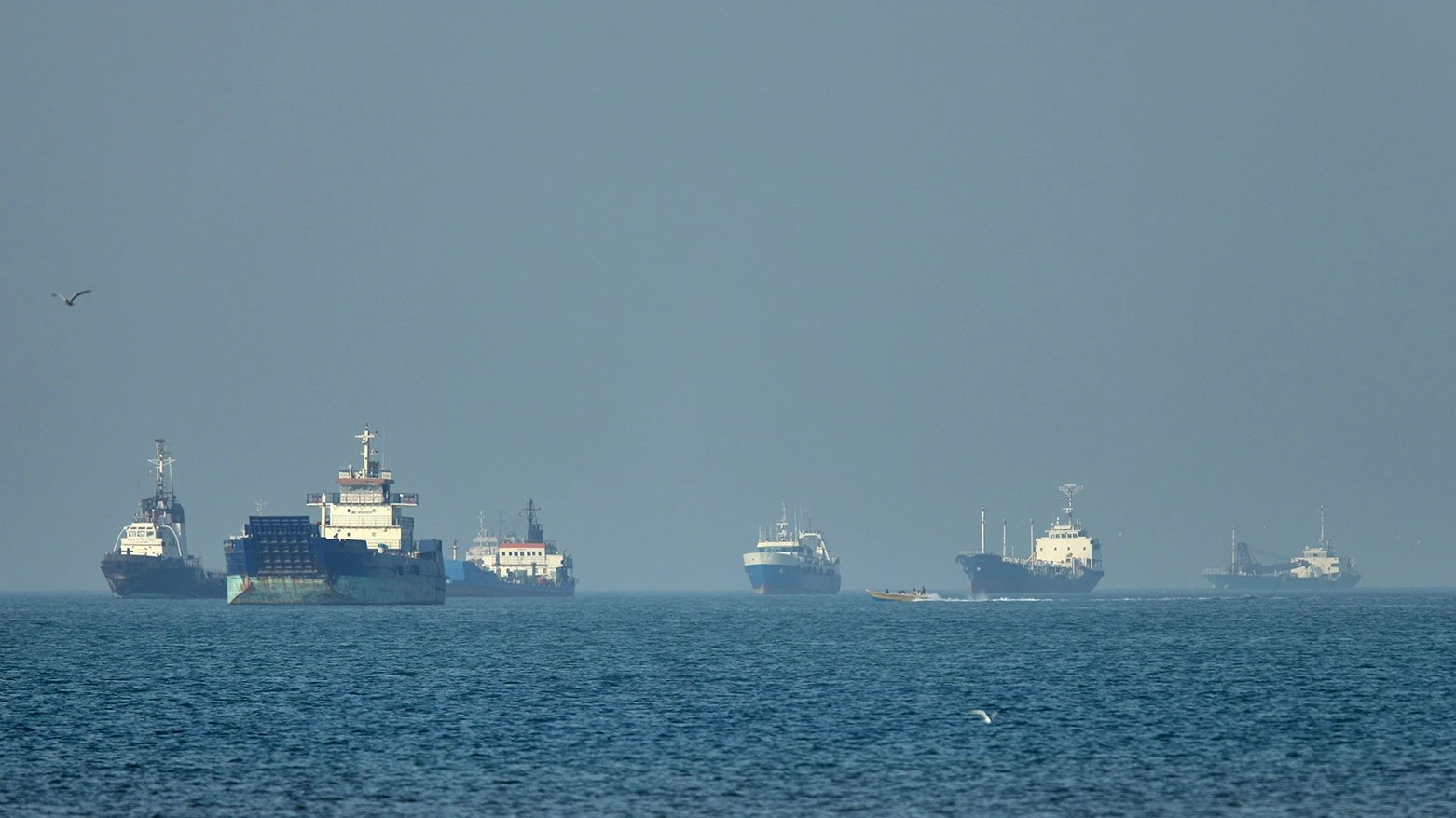
South Korea's presidential office said on Friday it is considering various options for contributing to freedom of navigation in the Strait of Hormuz. No decision has been made, an official said, adding that any deployment would require National Security Council, cabinet, and National Assembly approval. The statement came after JTBC reported the government was leaning toward dispatching troops.
Key Facts
- South Korea relied on the Strait of Hormuz for 61 percent of its crude oil imports and 54 percent of its naphtha imports last year.
- A Gallup Korea poll in March found 55 percent of South Koreans opposed sending warships to the strait.
- President Lee Jae Myung may discuss Strait of Hormuz options with French President Emmanuel Macron next week.
- Any military deployment requires a National Security Council decision, a cabinet resolution, and National Assembly consent.
Presidential Office Statement
The presidential office said in a statement released on Friday that various options regarding assistance in securing the strategic waterway were being considered. An unnamed official told reporters that "nothing has been decided" and that Seoul would consider domestic legal procedures, military readiness, and parliamentary approval. The president's office then issued a statement saying references to combat participation, non-combat roles, and search operations were "merely general descriptions of various options." The ongoing discussion "has not reached the stage of seeking parliamentary approval and no final decision has been made," the official said.
US Pressure and Domestic Debate
The United States has been pressuring Seoul and other allies over their refusal to join its war against Iran, which has seen Tehran limiting maritime traffic in the strait. Local broadcaster JTBC reported on Thursday that South Korea's government was "leaning toward" dispatching troops to the strait and reviewing details ahead of seeking parliamentary approval. Public support for involvement in the Middle East may be limited, with a Gallup Korea poll from March showing 55 percent opposed to sending warships. South Korea has been heavily affected by the closure of the Strait of Hormuz, relying on the waterway for 61 percent of its crude oil imports and 54 percent of its naphtha imports last year.
1 source
Time · lag behind first