
Cambodia's Tonle Sap Lake Recedes as Climate Change and Dams Disrupt Fishing
This digest was compiled by AI from multiple sources — links to the originals are below.
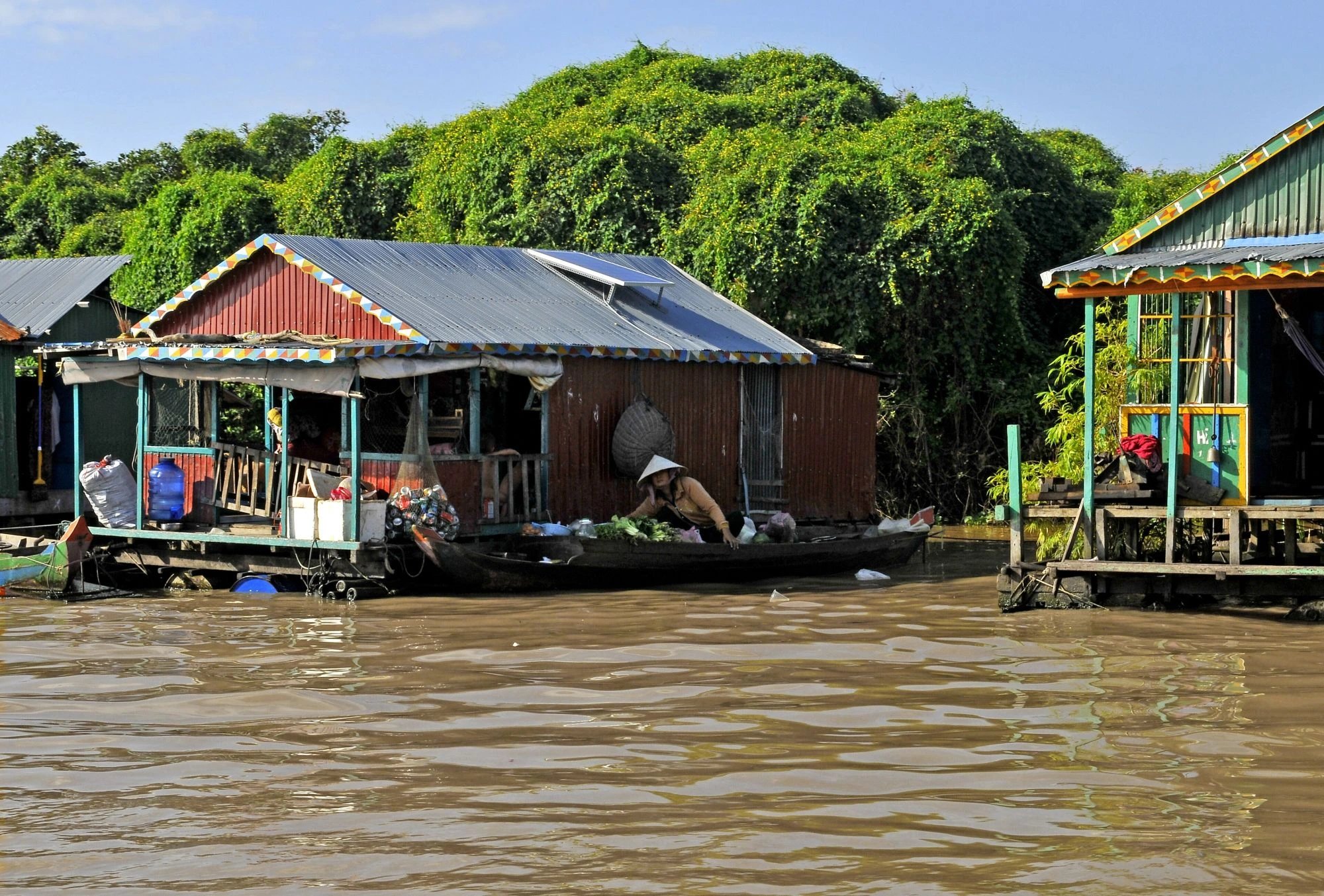
Fishermen in Cambodia's Siem Reap province are catching almost no fish as the Tonle Sap lake remains unusually low during the monsoon season. Residents of Pou, Me Chrey and Chong Khneas villages say the collapse of fisheries threatens their survival. The decline is driven by climate change and more than 200 dams in the lower Mekong basin.
Key Facts
- Cheim Oeurn, 40, caught only about one kilogram of small climbing perch and moonlight gourami on a July morning.
- In the past, fishers in Pou village could earn 50,000 to 100,000 riel ($12.50 to $25) daily with a 50- to 60-kilogram catch.
- Choum Chreb's son caught exactly five fish after fishing from 4 a.m. on July 23 in Chong Khneas village.
- More than 200 large dams are planned, completed, or under construction in the lower Mekong basin.
- The Tonle Sap is Southeast Asia's largest freshwater lake and its flow reverses direction twice a year.
Collapsing Fisheries
Cheim Oeurn, 40, caught only about one kilogram of fish one July morning, all small climbing perch and moonlight gourami with almost no market value. The Sangkae river is too low for fish to spawn in the flooded forests around Tonle Sap, and rising water temperatures in shallow areas threaten to destroy fish eggs. In the past, fishers in Pou village could earn 50,000 to 100,000 riel ($12.50 to $25) daily with a 50- to 60-kilogram catch, but today they often return with nothing of value. In Chong Khneas village, Choum Chreb said her son had caught exactly five fish after fishing from 4 a.m. on July 23, and the family has lived and fished on the Tonle Sap for 25 years.
Climate and Dam Pressures
Researchers are seeing a change in Cambodian weather patterns as climate change takes hold, with the traditional monsoon season in June and July appearing to weaken even as intense easterly storms return in September and October. At the same time, more than 200 large dams are planned, completed, or under construction in the lower Mekong basin. Together, climate change and hydropower dams are restricting the flow of water into the Tonle Sap, and without water, there is no fish. The Tonle Sap is Southeast Asia's largest freshwater lake, connected to the Mekong River, and its flow famously reverses direction twice a year.
1 source
Time · lag behind first