
Serbia receives Ratko Mladic's body with military honors in Belgrade
This digest was compiled by AI from multiple sources — links to the originals are below.
The body of Ratko Mladic, the Bosnian Serb wartime commander convicted of genocide, arrived in Belgrade on Thursday and was received with a military ceremony. Serbian Justice Minister Nenad Vujic accompanied the coffin, and crowds gathered along the route with flags and chants. The UN tribunal confirmed the handover at Rotterdam The Hague Airport.
Key Facts
- Ratko Mladic died last week at age 84 in a UN detention facility while serving a life sentence.
- The coffin, wrapped in a Serbian national flag, was flown from the Netherlands on a Serbian government plane.
- Serbian Justice Minister Nenad Vujic said funeral plans would be announced by the family in the coming days.
- Pro-government media reported a military commemoration on Saturday and a funeral on Monday.
- The Bosnian War caused over 100,000 deaths and displaced more than 1 million people before ending in 1995.
Arrival and Ceremony
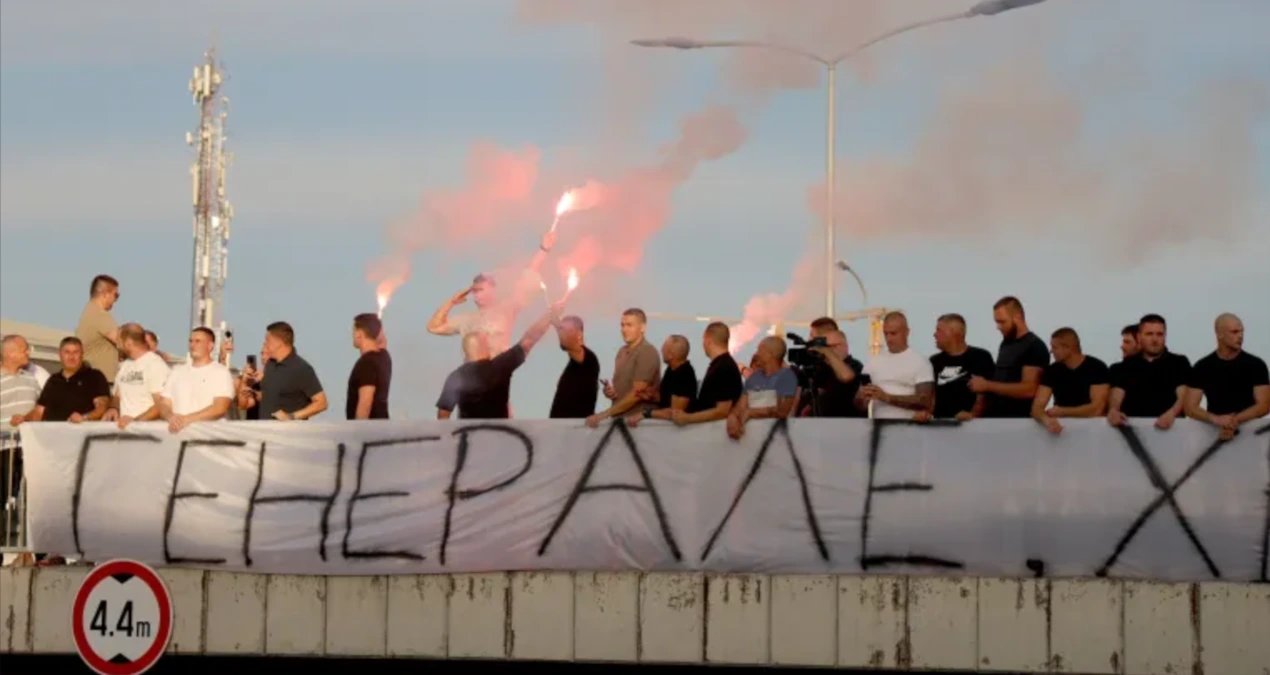
The coffin was carried off the plane by six soldiers and accompanied by Mladic's son Darko and Serbian Justice Minister Nenad Vujic. The UN tribunal confirmed in a written statement that Mladic's body was handed over to his relatives at Rotterdam The Hague Airport on Thursday afternoon. Crowds closed viaducts and bridges along the route, greeting the body with flares, flags, and banners praising Mladic. Vujic said Serbian police and state security estimated that 'tens of thousands' of people could attend the ceremony.
Public Reaction and Legacy
Many Serbs mourned Mladic, who is viewed as a hero by some, while vigils and marches in his honor drew criticism in a region still ethnically divided more than 30 years after the wars. Serbia, which supported Bosnian Serbs during the war, accuses the West and the Hague tribunal of blaming only Serbs and failing to deliver justice for its own victims. Mladic was one of the most prominent figures in the war that ended with a US-brokered peace agreement in 1995. The Srebrenica massacre was recognized as the first genocide in Europe since World War II, with Bosniak men and boys forced to undress, killed, and their bodies moved by bulldozers into mass graves.
UN Condemnation
The Hague tribunal expressed solidarity with victims, survivors, and families of Mladic's crimes. It condemned any glorification of persons convicted of war crimes, crimes against humanity, and genocide by international courts.
2 sources
Time · lag behind first