
Russia's economy no longer sustains war costs, pessimism doubles
This digest was compiled by AI from multiple sources — links to the originals are below.
By late summer, the share of Russians expecting hard times ahead exceeded 65%, double last year's level. The Kremlin's 'quiet sequestration' model is exhausted as authorities shift war costs onto the population. Macroeconomic strains include labor shortages, slowing production growth, and financial repression.
Key Facts
- The share of Russians expecting hard times ahead exceeded 65% by late summer, double the level a year earlier.
- Russian authorities are shifting rising war costs onto the population as the 'quiet sequestration' model is exhausted.
- VTB holds a 31.8% stake in Ozon and is entering the fintech perimeter of marketplaces.
- 38 of 128 datacenter projects worth 168.6 billion rubles have been suspended due to lack of funds.
- An August decree by Putin transfers critical infrastructure objects to external management without formal nationalization.
Pessimism Surge
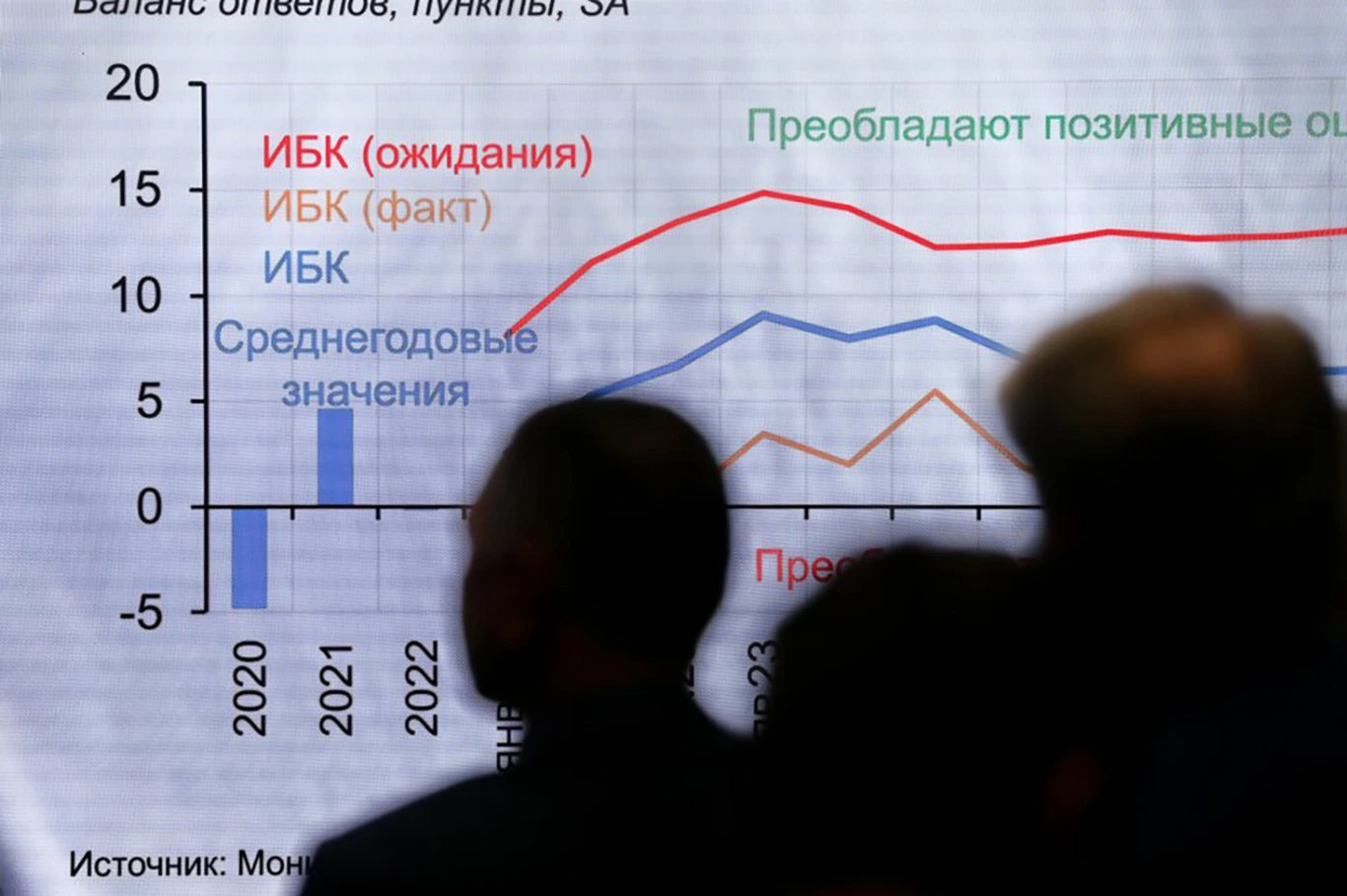
By late summer, the share of Russians expecting hard times ahead exceeded 65%, double the level a year earlier. The rise in pessimism is driven by successful Ukrainian attacks on oil and logistics infrastructure and the government's shifting of war costs onto the population. The Kremlin's previous 'quiet sequestration' logic distributed military spending through channels invisible to most Russians. That model is now exhausted, and decisions about who pays and how openly will carry political costs.
Macroeconomic Strain
The economy shows negative signs: labor shortages, rising wages and consumption, but slowing real production growth. Oil exports continue via a shadow fleet, while the Finance Ministry has held the ruble and inflation in check. These measures restrain investment and are accompanied by financial repression, including moving some funds into state-controlled reserves. The state lacks money to support marketplaces and sellers hit by Ukrainian strikes, and cannot quickly resolve gasoline shortages.
Asset Redistribution
An August decree by Putin transfers critical infrastructure objects to external management without formal nationalization. VTB is entering the fintech perimeter of marketplaces and holds a 31.8% stake in Ozon. Discussions are underway to transfer pension funds of 36 million 'silent' citizens into a single fund managed by VEB and VTB. In infrastructure, 38 of 128 datacenter projects worth 168.6 billion rubles have been suspended, and funds are lacking to complete the railway line to the Lavna coal terminal.
1 source
Time · lag behind first