
Nepal uses DNA testing to identify flood victims after glacial collapse
This digest was compiled by AI from multiple sources — links to the originals are below.
Forensic experts in Nepal are using DNA testing to identify hundreds of bodies after a glacial collapse near Langtang Lirung triggered floods that killed more than 1,270 people and left over 4,700 missing. Authorities are urging first-degree relatives of the missing to provide blood samples for DNA profiling. The identification effort follows the recovery of two workers trapped in hydropower project tunnels.
Key Facts
- More than 1,270 people were killed and over 4,700 remain missing after a glacial collapse near Langtang Lirung set off floods in Nepal and Tibet.
- Nepal Police are urging first-degree relatives of the missing to provide fresh blood samples for DNA profiling.
- Hundreds of DNA samples from relatives have been collected and sent to the Nepal Police Forensic Science Laboratory and the Nepal Academy of Science and Technology.
- Two workers trapped in tunnels at hydropower projects along the affected rivers were rescued on Friday morning.
- Interpol's Disaster Victim Identification framework is the globally recognised standard for managing and identifying disaster victims.
DNA Identification Effort
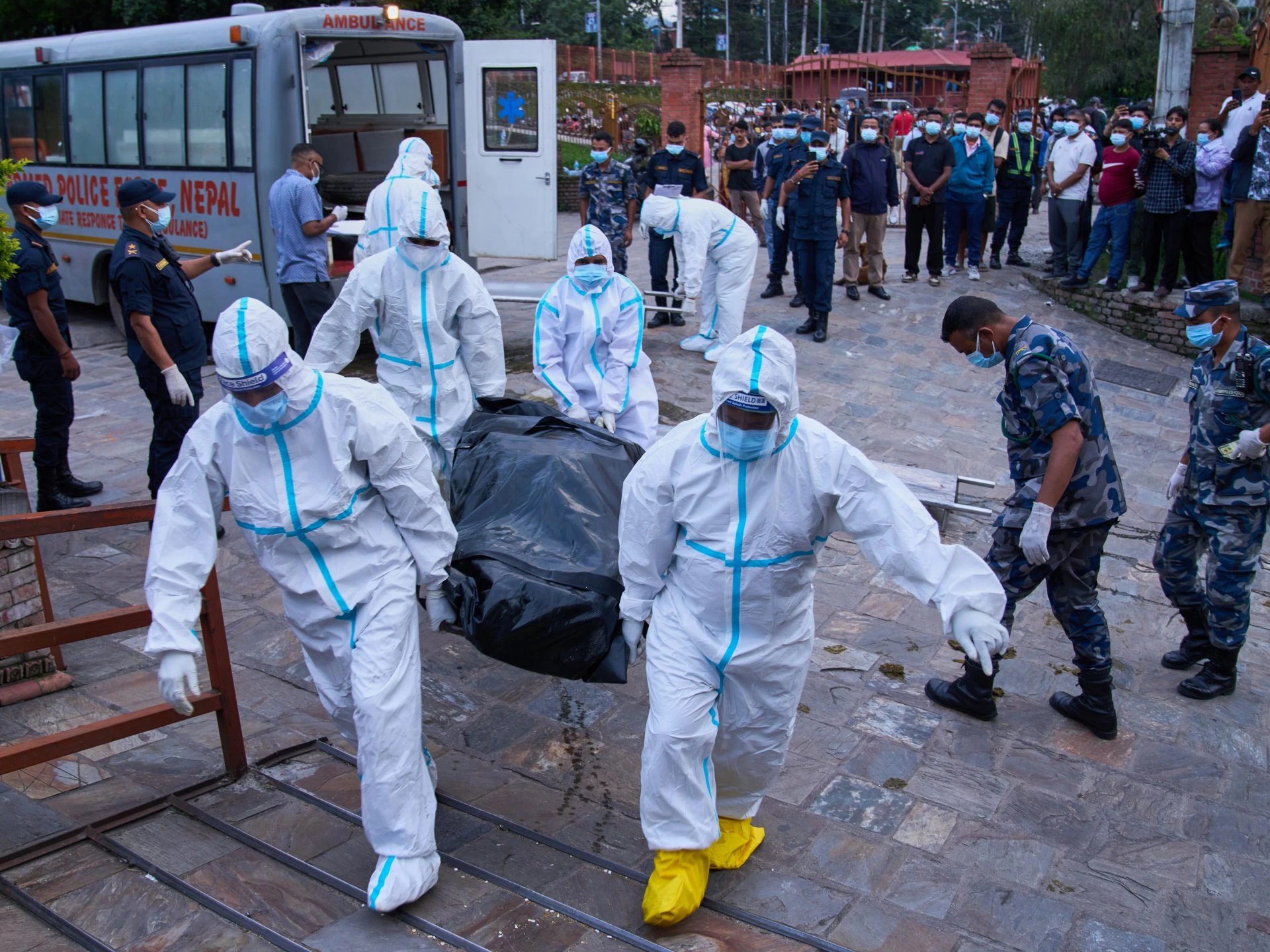
Forensic teams in Kathmandu are working to identify bodies, many of which were found in a state of decomposition. Al Jazeera's Jessica Washington reported from a DNA testing facility that tattoos and jewellery can help, but many bodies are too decomposed for visual identification. DNA profiles can be generated from blood, soft tissue, bone, and teeth, according to Kerstin Montelius, a molecular biologist at Sweden's National Board of Forensic Medicine. Montelius noted that DNA material can still be extracted from bone even if most tissue has decomposed, but cautioned that DNA also degrades over time.
Sample Collection Process
Nepal Police have asked first-degree relatives—fathers, mothers, sons, or daughters—of those reported missing to provide fresh blood samples. For missing foreign nationals, a first-degree relative abroad can undergo DNA profiling in their home country and email the results to Nepal Police for comparison. Hundreds of DNA samples have been collected from relatives and are being sent to the Nepal Police Forensic Science Laboratory and the Nepal Academy of Science and Technology.
1 source
Time · lag behind first