
U.S.-Venezuela Oil Deal Threatens China's Oil-Backed Loans
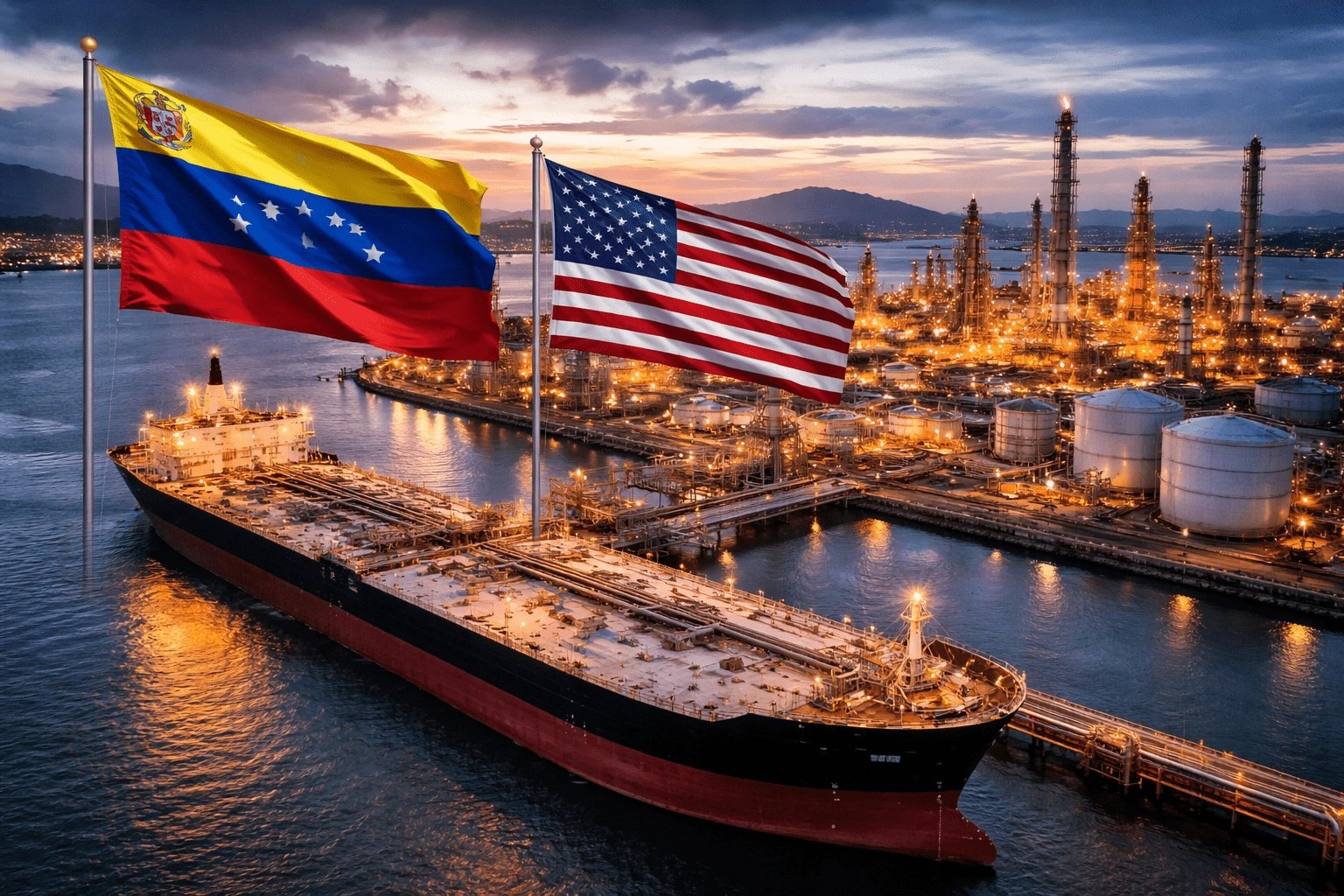
This digest was compiled by AI from multiple sources — links to the originals are below.
A U.S.-backed deal grants NABEP 100-year rights over 17 Venezuelan oil fields containing 65 billion barrels of proven reserves. The arrangement gives Washington a 35% stake in NABEP's parent and access to 20% of production at cost. The transfer displaces Chinese companies that previously operated or pursued those fields, threatening Beijing's ability to recover at least $10 billion in oil-backed loans.
Key Facts
- NABEP received 100-year rights over 17 fields in the Lake Maracaibo region and the Orinoco Belt, containing an estimated 65 billion barrels of proven reserves.
- The U.S. government holds rights to a 35% stake in NABEP's corporate parent and access to 20% of its production at cost, with right of first refusal on the remaining output.
- Chinese policy banks provided Venezuela at least $60 billion in oil-backed financing through 2015, and Caracas still owes Chinese lenders at least $10 billion.
- NABEP plans to invest as much as $100 billion in Venezuelan oil infrastructure and says the development could generate more than $200 billion in taxes and royalties for Venezuela over its first 25 years.
- Several projects now in the NABEP portfolio were previously operated or targeted by Chinese companies including CNPC, Sinopec, and China Concord Resources.
The NABEP Agreement
Last week's multibillion-dollar agreement with North American Blue Energy Partners (NABEP) expands production and commercializes Venezuela's petroleum reserves. NABEP, formerly owned by U.S. oil tycoon Harry Sargeant and now controlled by Venezuelan businessman Alejandro Betancourt, plans to invest as much as $100 billion in Venezuelan oil infrastructure. The company received 100-year rights over 17 fields in the Lake Maracaibo region and the Orinoco Belt, which contain an estimated 65 billion barrels of proven reserves—about one-fifth of Venezuela's total. The arrangement gives the U.S. government rights to a 35% stake in NABEP's corporate parent and access to 20% of its production at cost, with right of first refusal on the remaining output.
Displacement of Chinese Operators
Several projects now included in the NABEP portfolio were previously operated or targeted for development by Chinese companies, including China National Petroleum Corp., Sinopec, and China Concord Resources. Their displacement threatens Beijing's upstream investments and weakens its ability to influence how Venezuelan barrels are produced, priced, marketed, and used to settle debts. NABEP will control production from the transferred fields, while the U.S. State Department can buy 20% of the output at cost and holds first refusal on the remaining 80%. This leaves Chinese refiners and lenders without guaranteed access to those barrels.
China's Oil-Backed Loans
Chinese policy banks handed some $60 billion to Venezuela through 17 loan contracts that were to be repaid with oil shipments. Analysts estimate that Caracas still owes Chinese lenders at least $10 billion. That debt is the obligation of the Venezuelan state regardless of who operates the fields.
1 source
Time · lag behind first