
Spain's PM says no evidence Morocco planned Ceuta border rush
This digest was compiled by AI from multiple sources — links to the originals are below.
Spanish Prime Minister Pedro Sanchez said on Thursday that no institution has provided solid evidence that Morocco planned or carried out the late July surge of about 72,000 people into the enclave of Ceuta. He acknowledged Moroccan police allowed crossings during a 10-hour peak period on July 30, but said authorities have not determined whether this was inaction or inability to contain the influx. The statement came as thousands protested across Spain on Wednesday against the government's response to the crisis.
Key Facts
- About 72,000 people crossed into Ceuta, a Spanish enclave of 84,000 residents, in late July.
- A police report commissioned by a High Court judge alleged Moroccan security forces were deployed in smaller numbers than usual and did not seriously attempt to disperse crowds.
- About 5,000 people, including 1,200 children, remained in Ceuta weeks after the crossing, according to the national government.
- Thousands of protesters rallied across Spain on Wednesday, chanting “Expel the invaders” and “Ceuta is not for sale.”
Sanchez's Denial
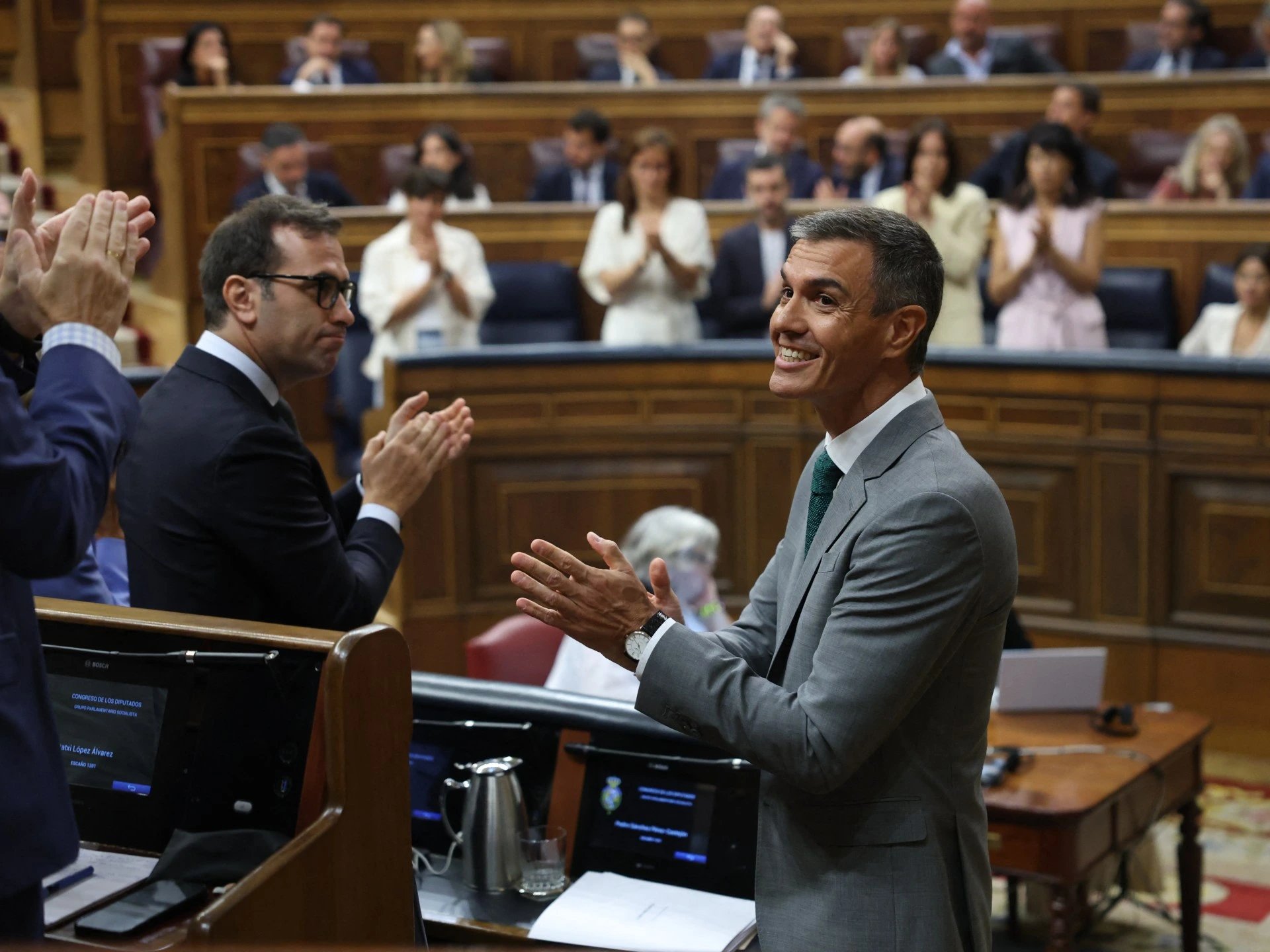
Prime Minister Pedro Sanchez told parliament on Thursday that no institution—not the diplomatic service, the European Commission, or any international body—had provided solid evidence that Morocco planned or carried out the Ceuta incident. He said Moroccan police allowed crossings during a 10-hour peak period on July 30. Spanish authorities have yet to determine whether this was due to inaction or an inability to contain the influx, Sanchez added.
Police Report Allegations
The police report, commissioned by a High Court judge last month, alleged that Moroccan security forces were initially deployed in smaller numbers than usual near the border and did not make a serious attempt to disperse the crowds. Moroccan authorities previously denied any permissiveness, blaming the misinterpretation of a Spanish court ruling that appeared to open a legal loophole for arrivals by sea and a social media campaign that spread information about a mass crossing. Sanchez has defended Morocco during the crisis, highlighting Rabat’s cooperation in returning most of the migrants within 48 hours.
Aftermath and Protests
About 5,000 people, including 1,200 children, remain in the city weeks later, according to the national government. On Wednesday, thousands of protesters across Spain rallied against the government’s response to the Ceuta crisis. Among the crowd’s chants were “Expel the invaders” and “Ceuta is not for sale. Ceuta must be defended.”
1 source
Time · lag behind first