
Sánchez denies prior warning of 72,000 migrant influx into Ceuta
This digest was compiled by AI from multiple sources — links to the originals are below.
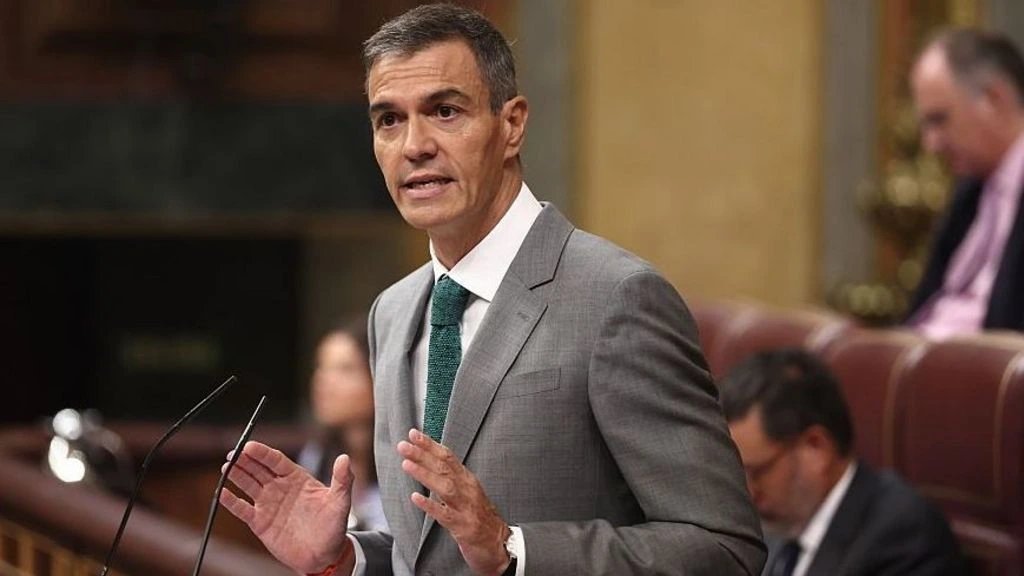
Spanish Prime Minister Pedro Sánchez told parliament on Thursday that no one foresaw the influx of 72,000 migrants into Ceuta. He said there was no evidence Morocco was behind the mass crossing and praised close co-ordination with Moroccan authorities. His remarks came hours after tens of thousands joined protests across Spain over his handling of the crisis.
Key Facts
- Sánchez told Spain's parliament on Thursday that it was absurd to think the government knew about the influx and did nothing.
- Around 5,000 migrants remain on the streets and beaches of Ceuta, including as many as 1,400 children.
- More than 90% of the migrants were returned to Morocco within 72 hours, Sánchez said.
- Italy imposed border restrictions on arrivals from Spain in response to the migrant influx.
Parliamentary Defence
Sánchez rejected claims that Spanish officials had received warnings of a rise in sea arrivals before the mass crossing on 30 and 31 July. He said there had been close co-ordination with Morocco and no evidence that Rabat was behind the influx. A Spanish police report highlighted the total permissiveness of Moroccan security forces, though senior officials said it did not point the finger at Rabat. Sánchez complained of unacceptable statements by two Moroccan ministers about Ceuta and Melilla, the EU's only land borders in North Africa.
Crisis Aftermath
Most of the 72,000 migrants have been sent back to Morocco, but around 5,000 remain in Ceuta, including up to 1,400 children. Sánchez praised Ceuta police for choosing to defend human life rather than the border during the influx. He described the episode as one in which numerous actors and interests converge, repeating his claim that hoaxes and rumours on social media sparked the crisis. Sánchez said there was no evidence of state actors being involved but again alleged that accounts linked to Russia and Israel amplified the social media activity.
1 source
Time · lag behind first