
Pig kidney functions 285 days in woman, surpassing prior 271-day record
This digest was compiled by AI from multiple sources — links to the originals are below.
A woman has lived with a genetically edited pig kidney for 285 days without dialysis, surpassing the previous record of 271 days. The transplant was performed at Massachusetts General Hospital on November 22 last year, according to eGenesis. The milestone suggests pig organs may serve as a temporary bridge for patients awaiting human kidneys.
Key Facts
- The pig kidney has functioned for 285 days as of Thursday, surpassing the previous record of 271 days set by Tim Andrews.
- The transplant was performed at Massachusetts General Hospital on November 22 last year.
- The woman is the fifth person to receive an eGenesis kidney through the FDA's expanded access pathway.
- Most patients wait three to five years on average for a human kidney transplant, often requiring dialysis three times a week.
- A second person has received a human transplant after living with a pig kidney for eight months, according to eGenesis.
Record-Setting Transplant
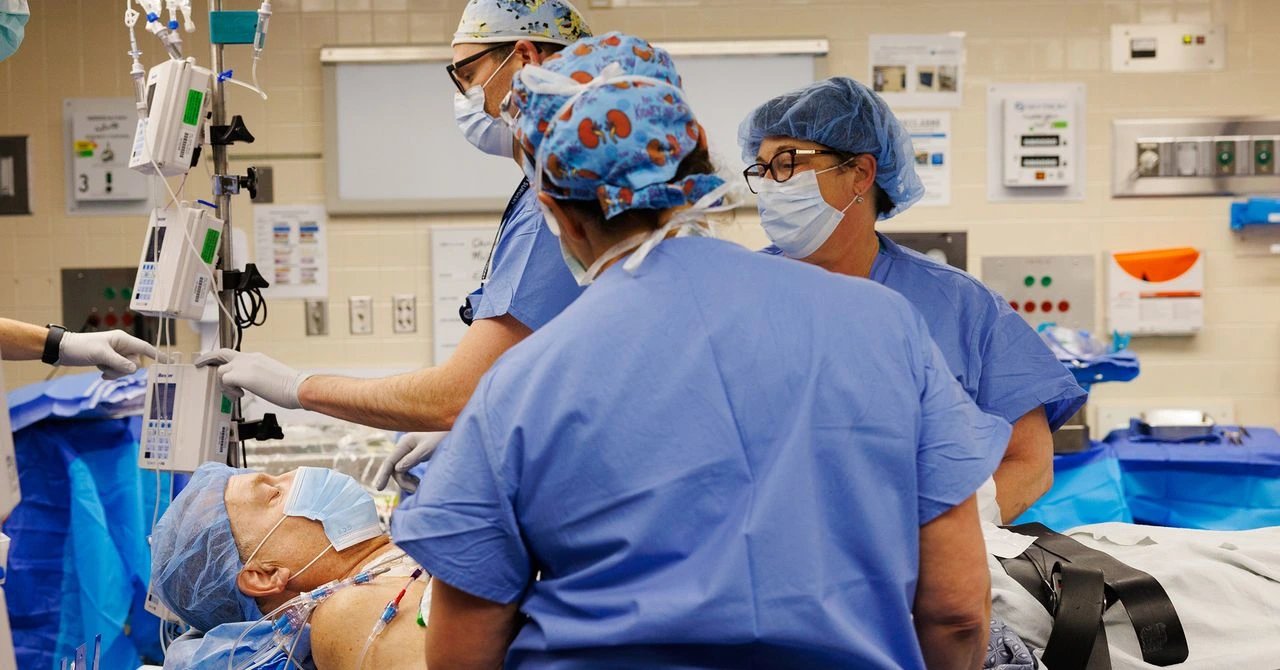
The woman received the pig kidney at Massachusetts General Hospital on November 22 last year. As of Thursday, the organ has functioned for 285 days without the need for dialysis, according to Cambridge, Massachusetts-based eGenesis. The previous record for a person living with a transplanted pig kidney was 271 days, set by Tim Andrews. The woman is the fifth patient to receive an eGenesis kidney through the FDA's expanded access program, which allows experimental treatments for life-threatening conditions when no alternatives exist.
Gene Editing and Clinical Context
eGenesis used Crispr gene editing to remove pig genes that could trigger an immune response and add human genes to improve compatibility. Most patients in need of a kidney transplant wait three to five years on average, and dialysis typically requires four-hour sessions three times a week. Mike Curtis, CEO of eGenesis, said patients' health declines the longer they remain on dialysis, and their odds of receiving a human transplant do not rise fast enough to meet that decline. Andrews received a pig kidney in January 2025, had it removed in October after declining function, and later received a human kidney transplant in January this year. A second person has also successfully received a human transplant after living with a pig kidney for eight months, according to eGenesis.
Published Findings
In a paper published Thursday in The Lancet, the surgical team detailed Andrews' experience with the pig kidney. Curtis said Andrews showed a radical improvement in overall health while on the pig kidney compared with chronic dialysis. The company is learning more with each transplant, Curtis said.
2 sources
Time · lag behind first