
China-Kyrgyzstan-Uzbekistan railway construction begins, bypassing Kazakhstan
This digest was compiled by AI from multiple sources — links to the originals are below.
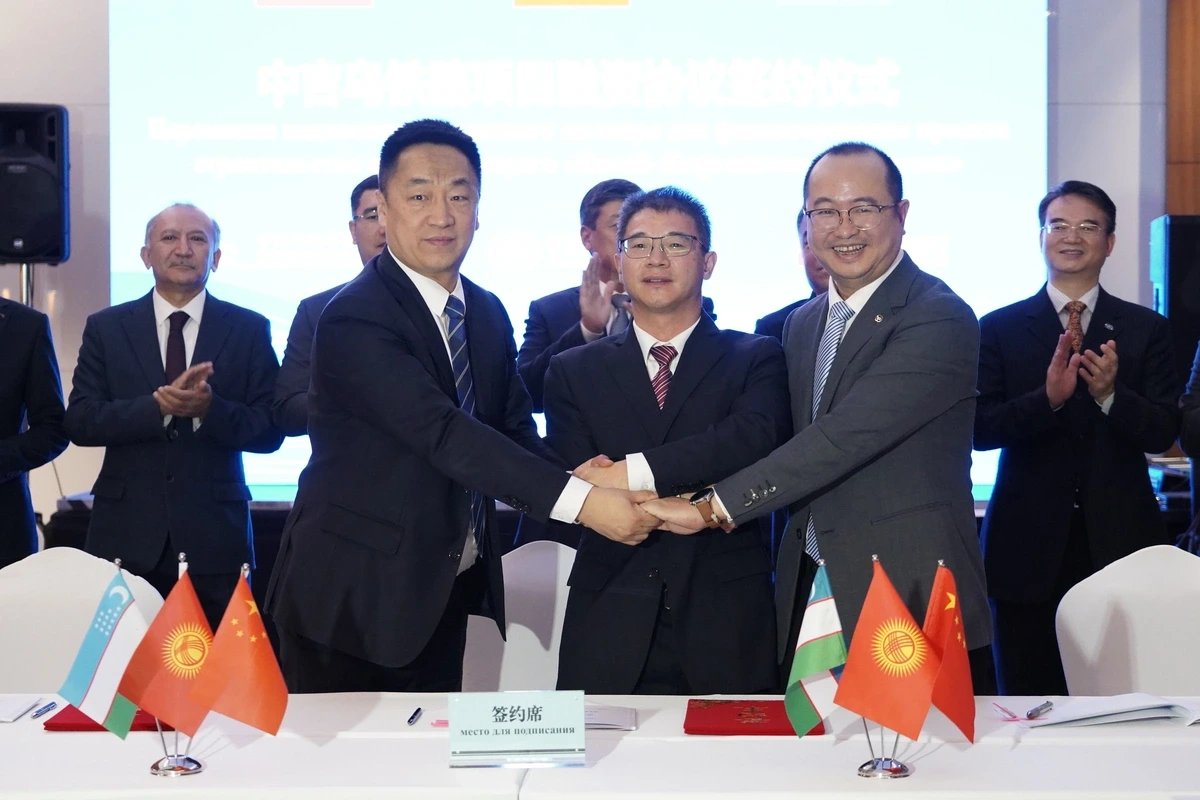
Construction of the China-Kyrgyzstan-Uzbekistan railway officially began in late August in Bishkek. The 532.5 km route from Kashgar to Andijan will include a 160 km section with Chinese standard gauge, creating a new rail link bypassing Kazakhstan. China holds 51% of the project company and is providing $2.35 billion in loans.
Key Facts
- The China-Kyrgyzstan-Uzbekistan railway will span 532.5 km from Kashgar to Andijan, with 304.9 km of new construction in Kyrgyzstan.
- China holds a 51% stake in the joint project company, while Kyrgyzstan and Uzbekistan each hold 24.5%.
- The project is estimated to cost $4.7 billion, with China providing $2.35 billion in loans through a syndicate of Chinese banks.
- Kyrgyzstan must contribute approximately $573 million, with half of that amount allocated directly from the state budget.
- In May 2026, Kyrgyzstan agreed with China on a separate concessional loan of $305 million, of which 35% is a grant.
Project Structure
The railway will connect Kashgar in China with Andijan in Uzbekistan via Torugart, Makmal, and Jalal-Abad in Kyrgyzstan. The total route length is 532.5 km, with 304.9 km of new construction in Kyrgyzstan, 158 km in China, and the existing Uzbek section requiring only modernization. About 40% of the Kyrgyz section will consist of 29 tunnels and 50 bridges totaling approximately 120 km. The project includes a 160 km section from Torugart to Makmal with Chinese standard gauge of 1435 mm, while the remaining 145 km to Jalal-Abad will use the Russian gauge of 1520 mm.
Financing and Ownership
The project cost is estimated at $4.7 billion, with China holding 51% of the joint project company and Kyrgyzstan and Uzbekistan each holding 24.5%. China is providing approximately $2.35 billion in loans through a syndicate of Chinese banks, including the China Development Bank and the Export-Import Bank of China, with a 35-year repayment period. China is also contributing about $1.198 billion to the charter capital. Kyrgyzstan must contribute approximately $573 million, with half of that amount allocated directly from the state budget. In May 2026, Kyrgyzstan agreed with China on a separate concessional loan of $305 million, of which 35% is a grant and the remainder is for 25 years at 1.5% annual interest.
Strategic Significance
The railway creates a physical connection point between the Chinese railway system and the post-Soviet network inside Central Asia, not at Kazakhstan's border as before. Kyrgyz President Sadyr Japarov called the current stage a 'golden period of relations', while Chinese President Xi Jinping called for quality construction and rapid progress. The project is seen as ending Kazakhstan's monopoly on China-Central Asia rail transit.
1 source
Time · lag behind first