
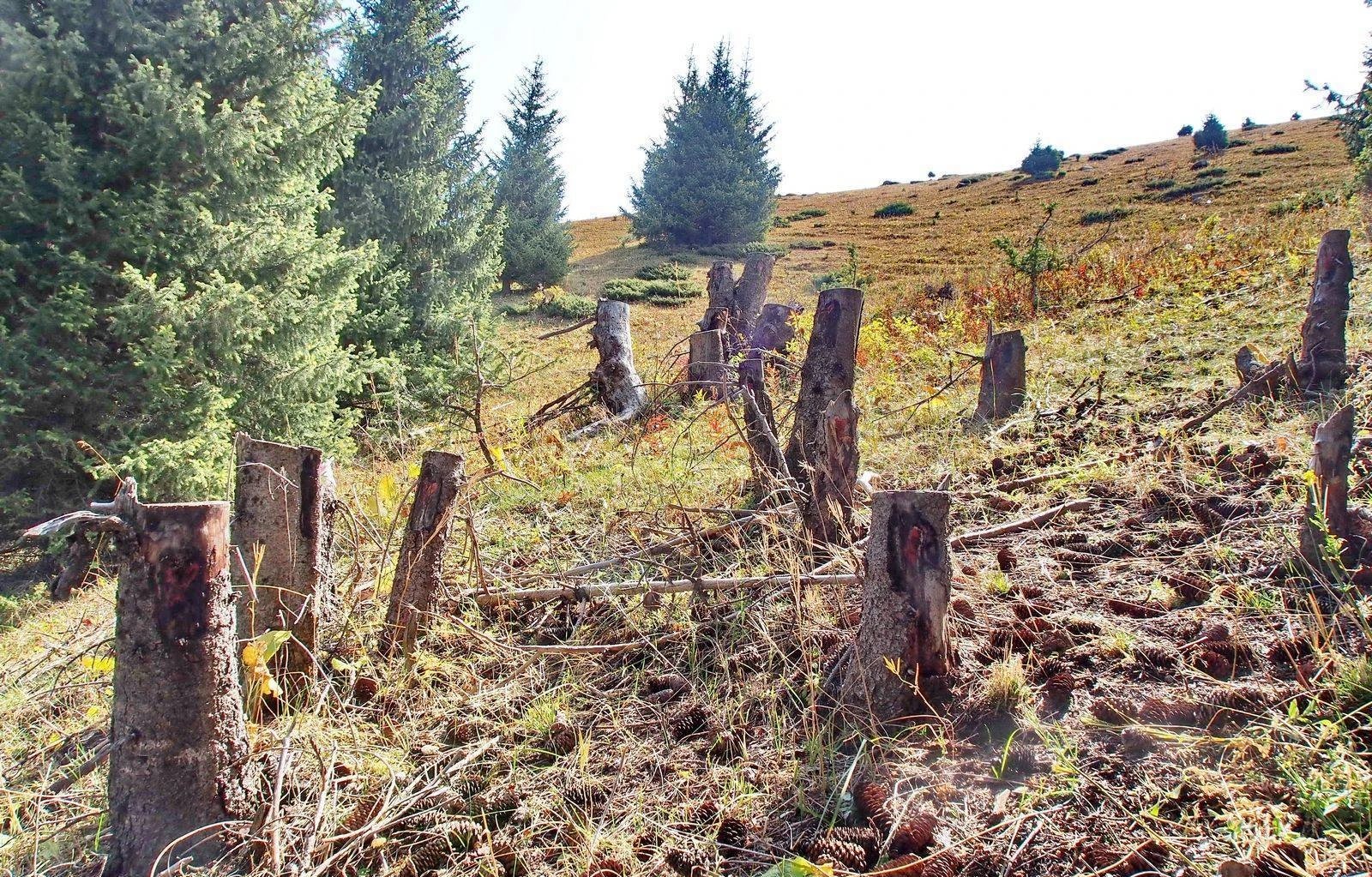
Kyrgyzstan lost about 90 percent of forest cover over 50 years
This digest was compiled by AI from multiple sources — links to the originals are below.
Kyrgyzstan has lost about 90 percent of its forest cover over the past 50 years, according to the National Adaptation Plan through 2035. The decline increases risks of mudslides, landslides, and damage to roads, bridges, and farmland. Authorities plan to restore or stabilize at least 150,000 hectares of degraded watersheds, slopes, and forest areas by 2035.
Key Facts
- Kyrgyzstan lost about 90 percent of its forest cover over the past 50 years, according to the National Adaptation Plan through 2035.
- The plan aims to restore or stabilize at least 150,000 hectares of degraded watersheds, slopes, and forest areas by 2035.
- At least 60 percent of priority watersheds are to be covered by reforestation, slope stabilization, and other nature-based measures.
- Monitoring is planned to cover at least 80 percent of vulnerable mountain and forest ecosystems by 2035.
- At least 40 demonstration sites for ecosystem restoration are to be created in priority areas.
Forest Loss
Kyrgyzstan has lost about 90 percent of its forest cover over the past 50 years, according to the National Adaptation Plan through 2035. The document describes forests and mountain ecosystems as the country's natural infrastructure. They stabilize slopes, regulate water flow, and reduce the destructive impact of extreme precipitation.
Restoration Targets
By 2035, authorities plan to restore or stabilize at least 150,000 hectares of degraded watersheds, slopes, and forest areas. Another goal is to cover at least 60 percent of priority watersheds with reforestation, slope stabilization, and other nature-based measures. Monitoring is planned to cover at least 80 percent of vulnerable mountain and forest ecosystems by 2035. At least 40 demonstration sites for ecosystem restoration are to be created in priority areas.
Infrastructure Safeguards
The plan proposes that new construction in areas with high mudslide and landslide risk account for the condition of surrounding ecosystems. A new facility in such a zone should not be designed without assessing the so-called ecosystem buffer.
1 source
Time · lag behind first