
Punjab Assembly passes law allowing secret terrorism trials
This digest was compiled by AI from multiple sources — links to the originals are below.
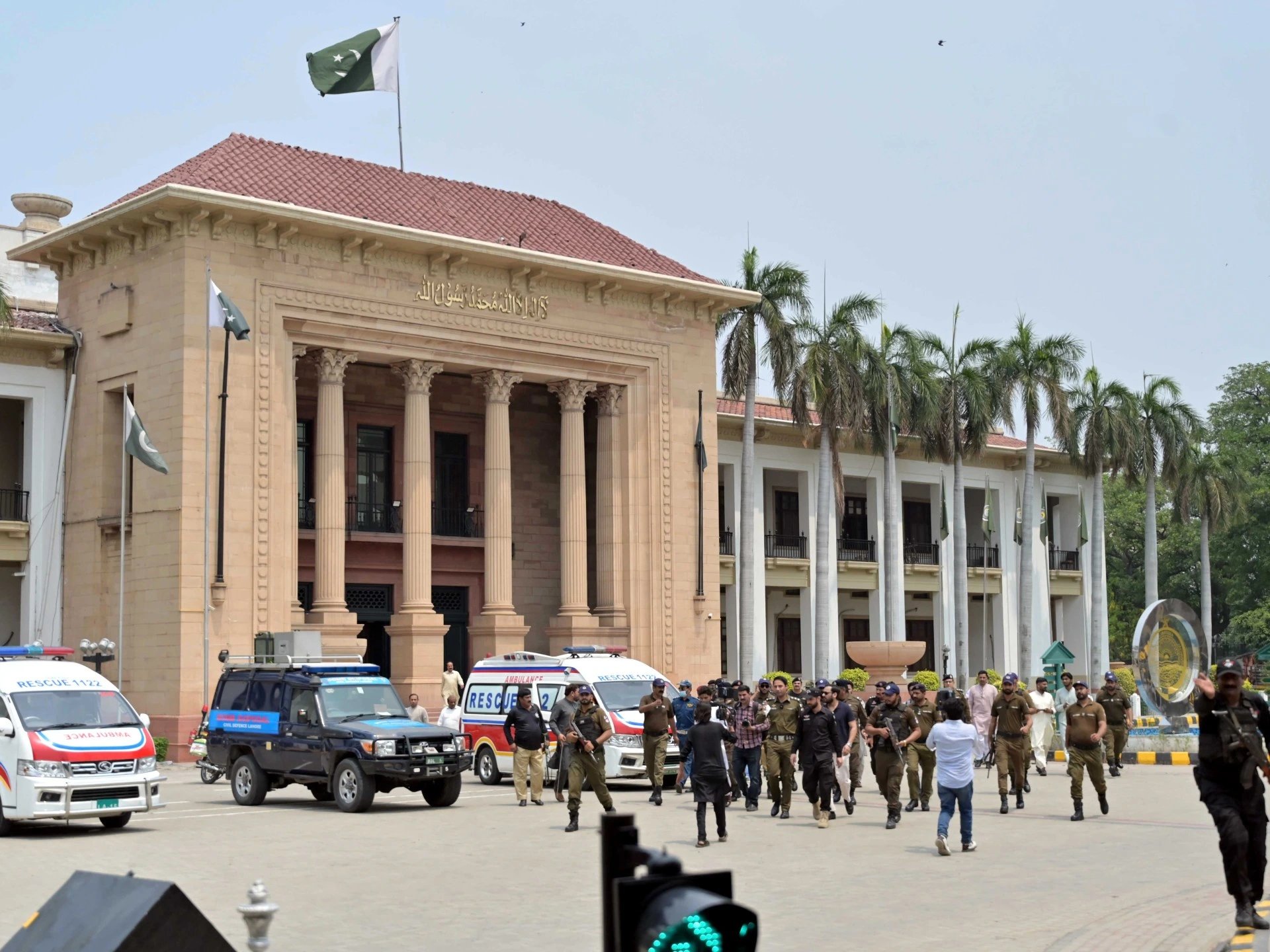
Punjab's provincial assembly passed the Anti-Terrorism (Punjab Amendment) Bill 2026 on August 31, allowing terrorism trials to be held in near-total secrecy. The law permits the judge, prosecutor, and witnesses to remain anonymous, and the trial record can be sealed. Opposition politicians staged a walkout in protest before the bill passed unchanged.
Key Facts
- The Anti-Terrorism (Punjab Amendment) Bill 2026 passed the Punjab Assembly on August 31.
- Under the law, a designated authority can declare any terrorism case a 'special security case' without the accused being able to contest the designation.
- The identities of the judge, prosecutor, police officers, witnesses, and defence lawyers cannot be disclosed under any circumstances.
- The law includes no expiry date and allows the government to adopt further measures without additional legislation.
Secret Trial Provisions
The law lets the government appoint a senior bureaucrat as a 'designated authority' tasked with deciding what cases are heard under the special provisions. The official's identity is kept confidential, known only to the chief justice of the Lahore High Court. The official can declare any terrorism case, or even a whole category of them, a 'special security case' if they conclude that the people involved need special protection. The law does not clearly define the parameters that need to be met, and the accused cannot contest being placed under this category. Once the official requests it, the chief justice assigns the case to a sitting anti-terrorism court judge.
Anonymity and Sealed Records
A panel of five public prosecutors is drawn up, and the official picks one. From there, the identities of the judge, prosecutor, police officers, witnesses, and defence lawyers cannot be disclosed under any circumstances. Official titles are used instead of names, and court orders are signed without revealing who signed them. Witnesses are identified only by codes, and hearings can be held over videolink, including from inside a prison, with voice-altering technology used to disguise participants. The case file is sealed and held jointly by the chief justice and the official.
Criticism and Legislative Process
The law has drawn criticism from opposition politicians, lawyers, rights groups, and analysts, who say it concentrates enormous power in a single, unnamed official and could be used against government critics. The bill passed the Punjab Assembly on August 31, after opposition politicians staged a walkout in protest. Four days earlier, the government had appeared to relent, agreeing to have the bill reviewed by the law department or a parliamentary committee. When it returned to the floor, it was unchanged and passed without amendment on Monday. The law includes no expiry date, and a final clause allows the government to adopt 'such other measures as it may deem appropriate', leaving room to add further powers without further legislation.
1 source
Time · lag behind first