
Kazakhstan adopts new constitution after March 15 referendum
This digest was compiled by AI from multiple sources — links to the originals are below.
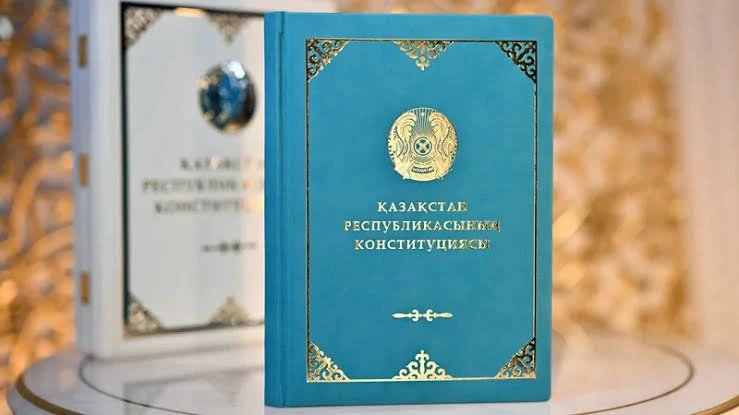
Kazakhstan has adopted a new constitution that ends the super-presidential form of government and establishes a presidential republic with a stronger parliament. The Basic Law was approved in a March 15, 2026 nationwide referendum. The first nationwide vote under the new framework is scheduled for August 23 for a 145-seat unicameral Qurultay.
Key Facts
- The new 145-member unicameral Qurultay will be elected by proportional representation for five-year terms.
- The Constitution defines marriage as a voluntary, equal union between a man and a woman and strengthens the secular character of the state.
- A presidential candidate must be a natural-born citizen over 40, know Kazakh, have resided in Kazakhstan for 15 years, and have higher education.
- Education, science, culture and innovation are set as central constitutional priorities, replacing resource dependence with human capital.
The Constitutional Shift
Kazakhstan's new Constitution abandons the super-presidential form of government and establishes a presidential republic with an authoritative, influential parliament. The changes aim to redistribute power, strengthen checks and balances, and improve the efficiency and stability of political institutions. The document identifies education, science, culture and innovation as central constitutional priorities, shifting national development away from natural resource dependence toward human capital. The Constitution strengthens the secular character of the state and defines marriage as a voluntary, equal union between a man and a woman. It also supports national culture and historical-cultural heritage while recognising the role of the previous Constitution in Kazakhstan's state building.
The August 23 Vote
The August 23 election will be the first nationwide vote held under Kazakhstan's new constitutional framework. Kazakhstan is moving to a unicameral Qurultay, a strategic step aimed at modernising state institutions and strengthening representative democracy. The Qurultay will consist of 145 deputies elected through proportional representation across the country for five-year terms. The election model is designed to ensure broad political representation and create wider opportunities for political parties and civic movements to participate in national decision-making. The constitutional reform gained public support in a nationwide referendum held on March 15, 2026.
Presidential Candidate Rules
Kazakhstan has made several changes to its basic law since gaining sovereignty, reflecting its search for a development path based on national traditions. The amendments primarily affect presidential powers and requirements for candidates. Under the Constitution, a presidential candidate must be a natural-born citizen of Kazakhstan, be over 40 years old, know Kazakh, have lived in the country for the past 15 years, and have a higher education.
1 source
Time · lag behind first