
Syria's restraint toward Israel reflects state-building priority over military response
This digest was compiled by AI from multiple sources — links to the originals are below.
Syria's government under Ahmed al-Sharaa continues to avoid military confrontation with Israel despite repeated Israeli strikes, including an attack on the Abu al-Duhur base. Damascus insists on Israeli withdrawal and freedom to rebuild its armed forces while prioritizing economic recovery and international legitimacy. The strategy risks Israeli encroachment and eroding public trust.
Key Facts
- Israeli forces shelled a hilltop near Beit Jinn and raided a village in Quneitra province last week.
- Israeli fighter jets struck the Abu al-Duhur military base in northern Syria days earlier, causing significant damage.
- The World Bank estimates reconstruction of Syria's damaged physical assets will cost about $216 billion.
- Washington removed Syria from the State Sponsors of Terrorism list on August 24.
- The European Union lifted economic sanctions on Syria, though targeted and security-related measures remain.
Israeli Strikes and Syrian Restraint
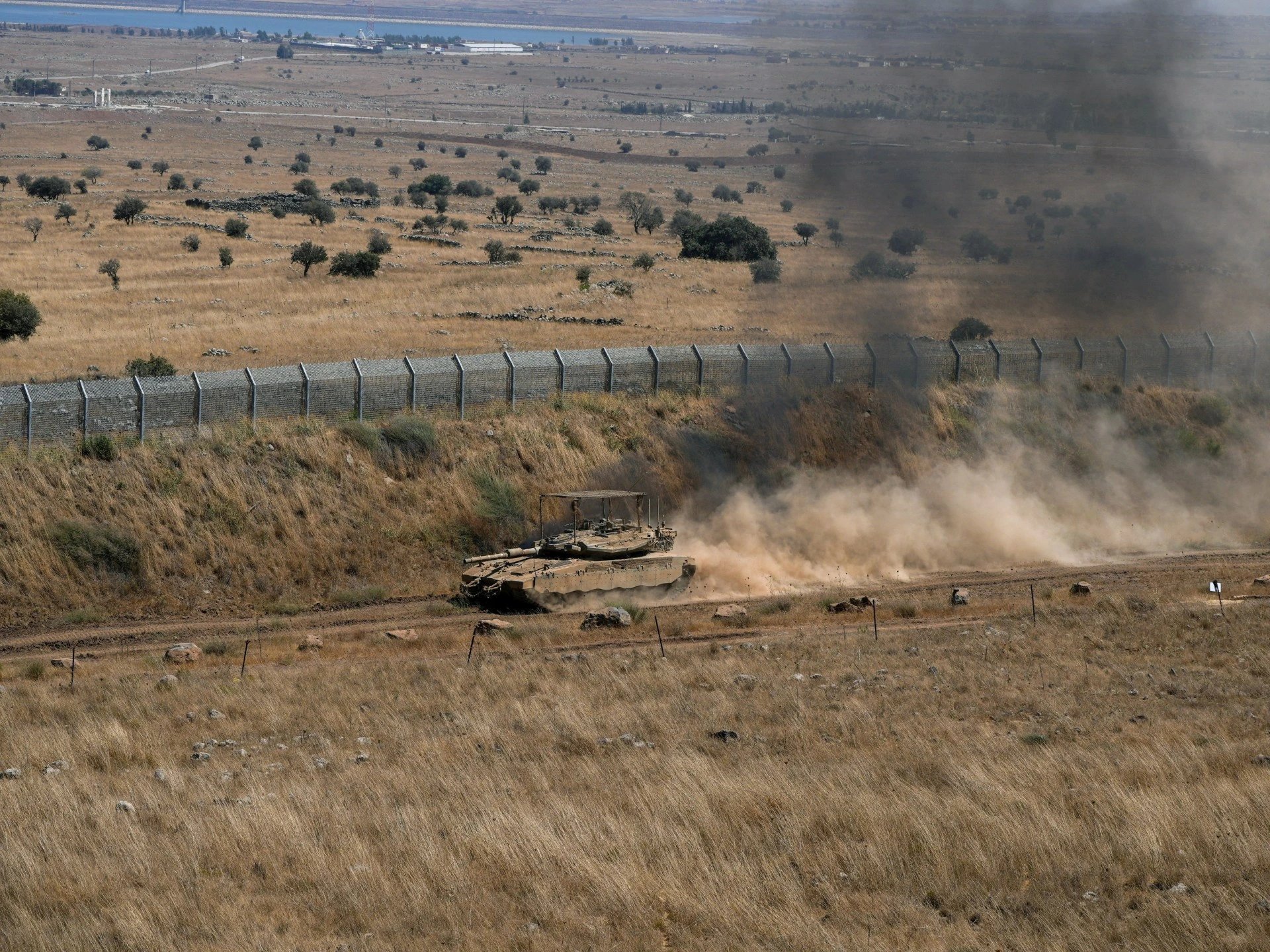
Last week, Israeli forces shelled a hilltop near Beit Jinn in the western Damascus countryside and raided a village in Quneitra province. The attacks came days after Israeli fighter jets struck the Abu al-Duhur military base in northern Syria, inflicting significant damage. Israel said the strike was intended to prevent a possible Turkish military deployment there, though Damascus and Ankara disputed the claim. Despite the strikes, the government of Ahmed al-Sharaa continues to insist that Israel withdraw from occupied Syrian territory and that Damascus remain free to rebuild its armed forces and cooperate with partners of its choosing.
State-Building Priorities
Al-Sharaa has placed economic recovery and international legitimacy at the top of his priorities. His government has focused on rebuilding state institutions, restructuring the security sector, restoring energy supplies, improving foreign relations, and reconnecting Syria to the international economy. The World Bank estimates that reconstructing Syria's damaged physical assets will cost about $216 billion. A state facing needs on that scale cannot restore its authority through military institutions alone; it needs revenue, electricity, functioning administration, banking access, investment, and external relationships.
International Normalisation
Washington dismantled the broad Syria sanctions programme in 2025. The European Union lifted its economic sanctions, although targeted and security-related measures remain. On August 24, Washington removed Syria from the State Sponsors of Terrorism list, eliminating another key obstacle to financial normalisation and investment.
1 source
Time · lag behind first