
Blood cells replace immune cells of ageing human brain
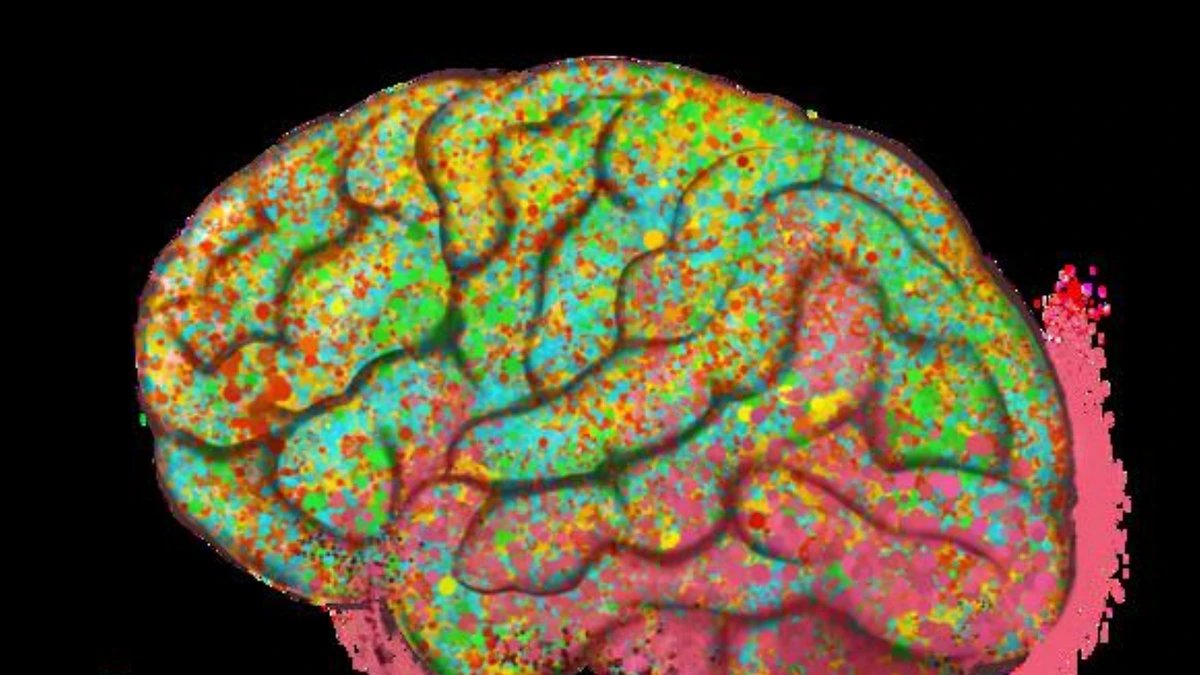
This digest was compiled by AI from multiple sources — links to the originals are below.
Lineage-tracing studies show that circulating blood cells replace the brain's resident immune cells, microglia, during ageing. The findings reveal a previously unappreciated interaction between the brain and the rest of the body.
Key Facts
- At birth, the brain contains its own immune cells called microglia, thought to persist throughout life without replacement from outside the brain.
- Lineage-tracing studies show that circulating immune cells replace microglia during ageing.
- The findings reveal a previously unappreciated interaction between the brain and the rest of the body.
Lineage-Tracing Evidence
Studies that trace cell lineage now show that microglia are replaced by circulating immune cells during ageing. This replacement challenges the long-held view that microglia persist throughout life without being replaced by cells from outside the brain.
Brain-Body Interaction
The replacement of microglia by blood-derived immune cells reveals a previously unappreciated interaction between the brain and the rest of the body. This interaction may have implications for understanding age-related changes in brain function and immunity.
1 source
Time · lag behind first