
Russia aided Iran's ramjet missile program via Rosoboronexport, FT reports
This digest was compiled by AI from multiple sources — links to the originals are below.
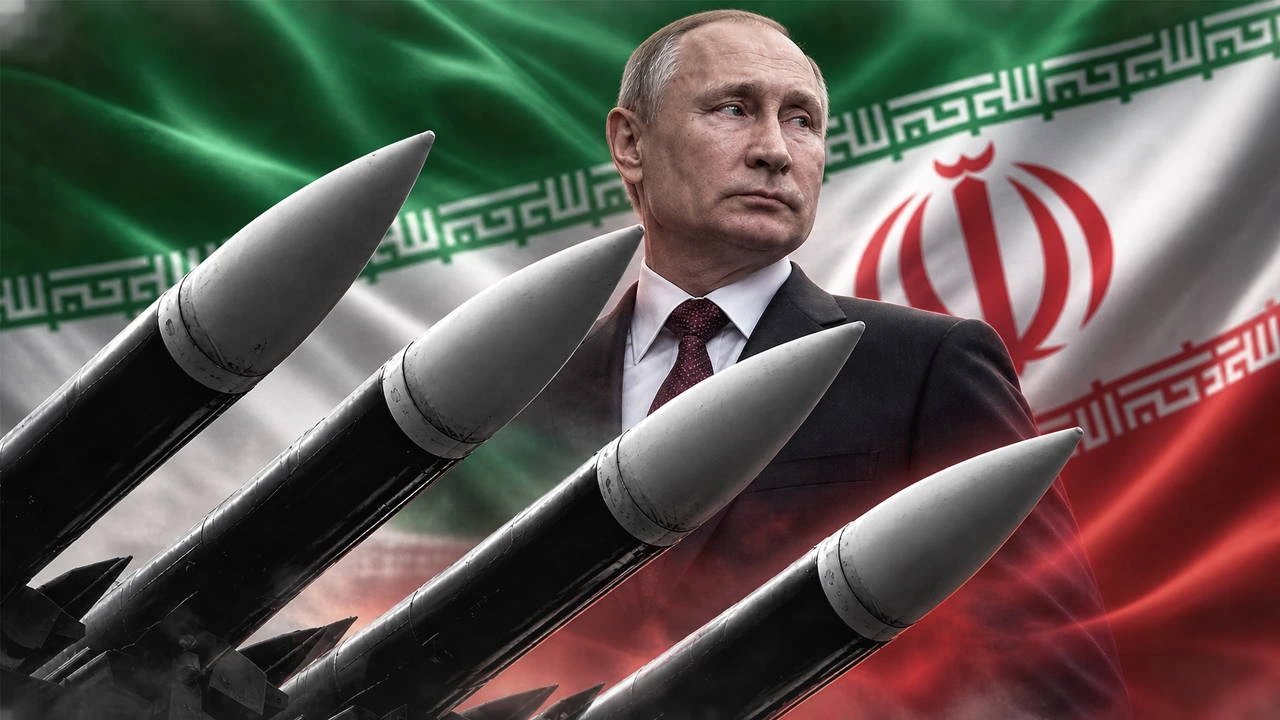
Russian missile experts helped Iran develop a ramjet engine for a new generation of missiles under a secret program codenamed C430L, the Financial Times reported. The program began in 2023 and continued through the US-Israel war against Iran, with leaked correspondence suggesting talks lasted until summer 2026. The assistance was allegedly coordinated through state arms exporter Rosoboronexport and missile specialist NPO Mashinostroyenia.
Key Facts
- The C430L program began in 2023 and continued during the US-Israel war against Iran, with leaked correspondence suggesting talks lasted until summer 2026.
- Russian officials and top experts made multiple visits to Iran before the contract was formally signed with Iran's Defense Ministry in November 2023.
- In April 2025, Rosoboronexport proposed sending about 24 Russian specialists to Iran for technical discussions under the program.
- The program's core goal was to help Iran develop a ramjet air-breathing jet engine, enabling cruise missiles to reach several times the speed of sound.
- Conflict Armament Research senior analyst Fabian Hinz called the program an 'extremely sensitive and strategic military technology transfer' from Russia to Iran.
Program Origins and Coordination
The secret missile program, codenamed C430L, began in 2023 and continued through the US-Israel war against Iran, according to the Financial Times. The assistance was allegedly coordinated through Rosoboronexport, Russia's state-controlled arms export company, in coordination with NPO Mashinostroyenia, a missile technology specialist. Leaked travel records show Russian officials and top company experts made multiple visits to Iran before the contract was formally signed with Iran's Defense Ministry in November 2023. By 2025, the Russian company had allegedly received a significant amount of technical documentation related to Iran's jet propulsion system.
Technical Focus and Missile Capability
The program's core goal was to help Iran develop a ramjet air-breathing jet engine, a technology that allows cruise missiles to reach several times the speed of sound. Russian engineers analyzed Iran's flight test data and sent detailed technical questions to Tehran about fuel system changes, combustion stability, and the design of air intakes and engine nozzles. Missile and defense experts say the technology would most likely be used in high-speed cruise missiles targeting ships and land targets. Former CIA military analyst Jim Lamson said such a weapon would give Iran 'a completely new strategic system capable of threatening US Navy ships.'
Expert Assessments and Strategic Implications
Fabian Hinz, a senior analyst at Conflict Armament Research and an expert on Iran's missile program, described the transfer as 'extremely sensitive and strategic military technology' that Iran had sought for decades. Hinz said the transfer would require approval at the highest political level in Russia. Sciences Po lecturer Nicole Grajewski argued the program shows Russia is trying to spread the effects of the Ukraine war to other regions and draw the US into different fronts.
1 source
Time · lag behind first