
US arms production backlog leaves Taiwan and Japan waiting on Patriot and Tomahawk deliveries
This digest was compiled by AI from multiple sources — links to the originals are below.
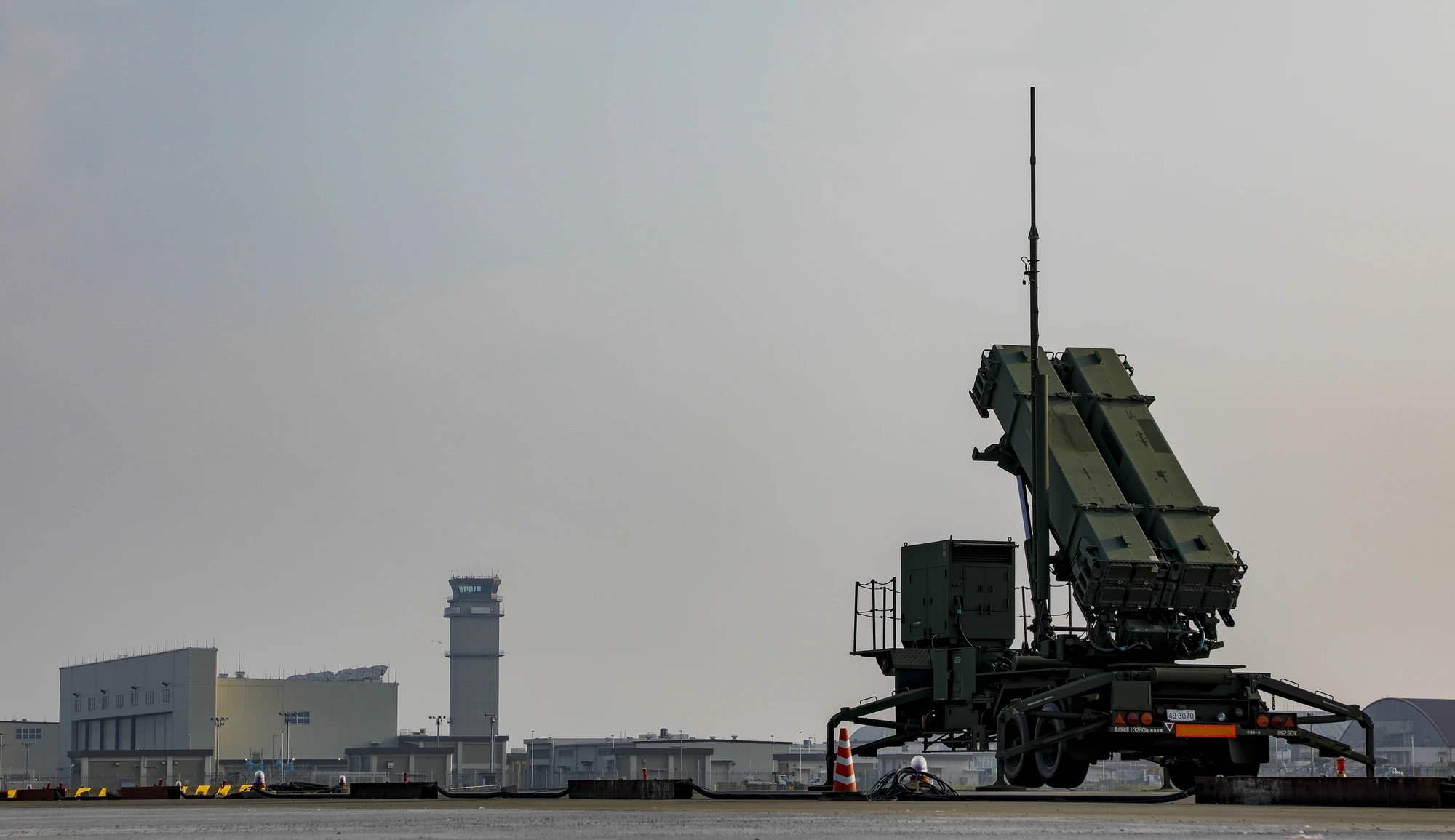
Taiwan has received no delivery date for a $14 billion package of Patriot PAC-3 interceptors and NASAMS systems, with U.S. officials offering conflicting explanations for the delay. Japan faces a two-year delay for 400 Tomahawk cruise missiles as U.S. stockpiles are drawn down by the war in Iran. The backlog reflects finite U.S. production capacity against rising demand from multiple theaters.
Key Facts
- Taiwan was offered four different explanations in May for delays in a $14 billion arms package of Patriot PAC-3 interceptors and NASAMS systems.
- Japan was informed that delivery of 400 Tomahawk cruise missiles would be delayed two years due to drawdown demands from the war in Iran.
- The U.S. military shot nearly 1,500 Patriot interceptors in the Iran war, while Lockheed Martin produced over 500 interceptors in 2024.
- The U.S. Army requested over 2,700 Patriot interceptors in the next fiscal budget, up from 357 previously funded.
- Chen Yi-fan of Tamkang University estimated a Patriot system would take four to five years to reach Taiwan even if bidding opened immediately.
Conflicting Explanations for Taiwan Delay
Acting Navy Secretary Hung Cao testified to senators that the United States was “doing a pause” on the Taiwan arms sale to ensure munitions for Operation Epic Fury in Iran. Secretary of State Marco Rubio said the sale was under review, not paused, while Secretary of Defense Pete Hegseth stated U.S. stockpiles were “more than suited” for both Iran and global needs. President Donald Trump described the arms sales as “a very good negotiating chip” with China, suggesting a political motivation for the delay. None of the statements provided a delivery date for the $14 billion package, which includes Patriot PAC-3 interceptors and NASAMS air defense systems.
Production Capacity and Stockpile Depletion
Lockheed Martin exceeded its production record with over 500 Patriot interceptors in 2024, but the U.S. military expended nearly 1,500 interceptors in the Iran war. The U.S. Army’s fiscal budget request for over 2,700 interceptors marks a large jump from the 357 it previously funded. Taiwan’s order of 102 interceptors and Japan’s order are included within that larger U.S. Army request. The U.S. faces depleted assets of its own while supporting allies through arms deliveries, with finite supplies of missiles and a growing queue behind Ukraine and Iran resupply.
Allied Vulnerability and Deterrence
Chen Yi-fan of Tamkang University wrote that even with immediate bidding, a Patriot system would take four to five years to arrive in Taiwan. That timeframe aligns with the period during which American and Taiwan planners believe a crisis could occur. Chinese military and political leaders can assess U.S. sustainment capacity through public information such as budget requests, contracts awarded, and arms sales backlogs. Beijing can evaluate whether it could deplete U.S. and allied stocks more rapidly than they can be replenished.
1 source
Time · lag behind first