
U.S. Munitions Consumption in Iran War Drains Patriot, THAAD Stocks, Threatening China Readiness
This digest was compiled by AI from multiple sources — links to the originals are below.
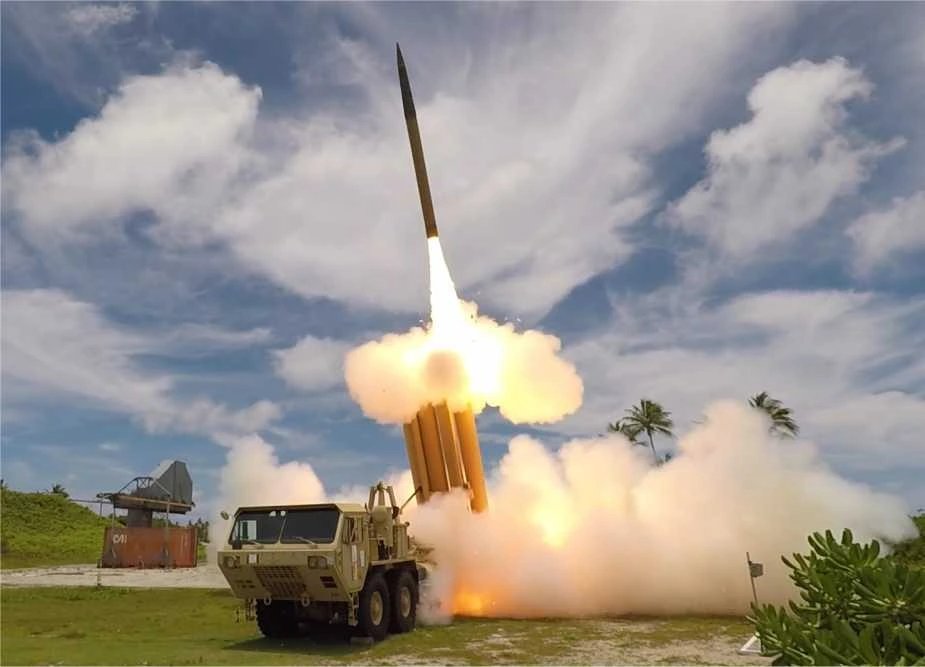
The U.S. military's extended air and missile defense operations against Iran are depleting stocks of Patriot and THAAD interceptors, with the Center for Strategic and International Studies (CSIS) estimating inventories below 1,000 and 250 respectively as of July 27, 2026. The drain is eroding Washington's capacity to deter or fight a major conflict with China in the Indo-Pacific, even as U.S. forces continue strikes to keep Strait of Hormuz shipping lanes open.
Patriot, THAAD Stockpile Decline
CSIS estimated on July 27 that the U.S. inventory of Patriot interceptors had fallen below 1,000 and THAAD missiles to approximately 250, while Tomahawk cruise missiles and other precision-guided munitions are also being consumed at a high rate in the Iran campaign. Although the Pentagon does not disclose exact stockpile numbers, analysts say the drawdowns are large enough to begin constraining commanders' operational choices. The central concern is magazine depth — how many engagements forces can sustain before ammunition shortages limit their options — rather than the imminent exhaustion of any single weapon type.
China Deterrence Risk
A high-intensity conflict with China could require the U.S. to defend bases, ports, and forward-deployed forces against sustained ballistic and cruise missile barrages while conducting long-range strikes on Chinese missile forces, air defenses, and command networks. Many of the same high-end munitions now being expended against Iran — including Patriot, THAAD, and Tomahawk — are critical for such operations. If significant quantities are consumed in the Middle East, the Pentagon faces a two-war ammunition gap that could degrade its ability to deter or respond in the Indo-Pacific.
1 source
Time · lag behind first