
Guinea-Bissau referendum approves expanded presidential powers with 70% support
This digest was compiled by AI from multiple sources — links to the originals are below.
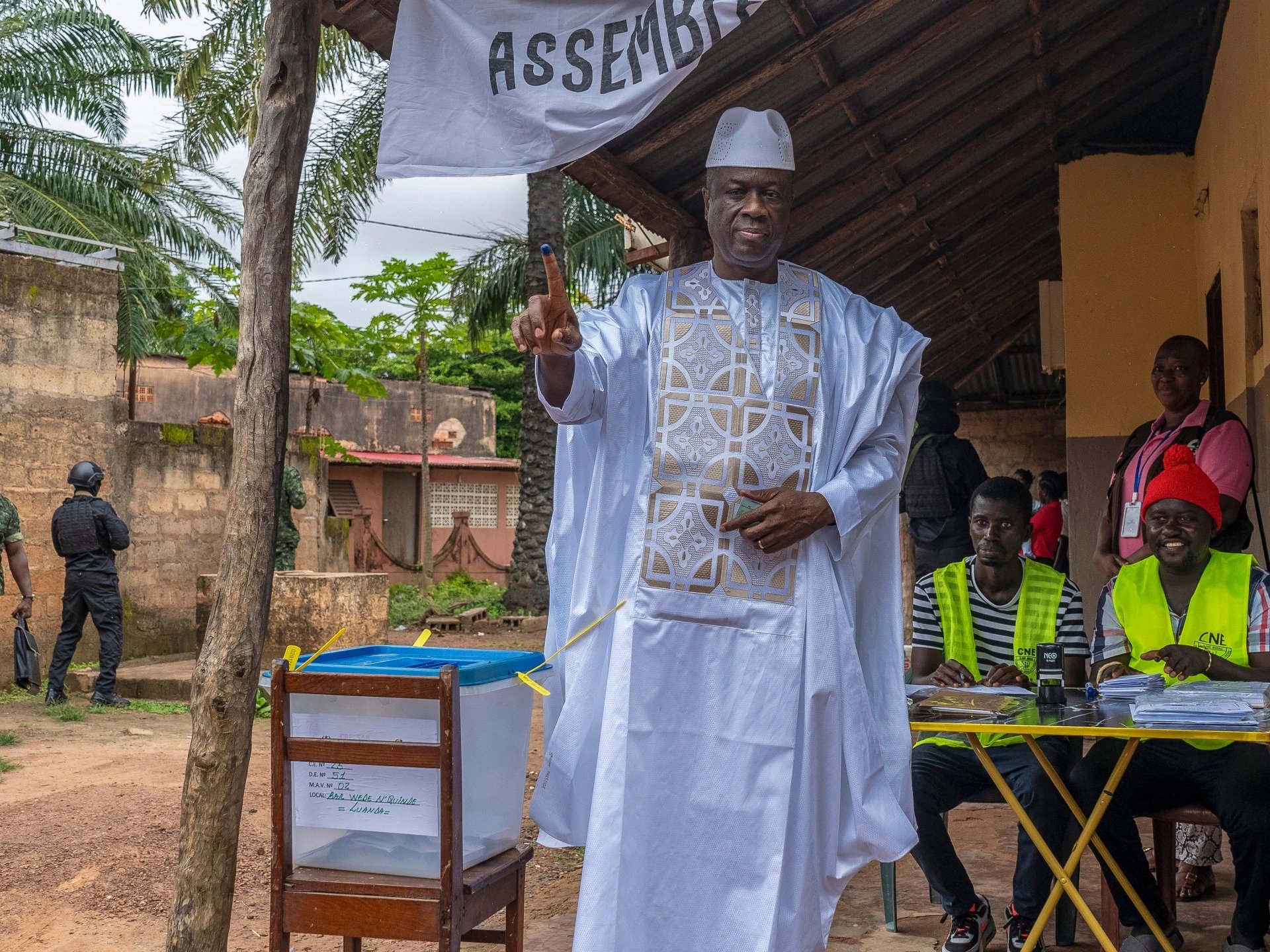
Guinea-Bissau's National Electoral Commission said 70 percent of voters approved a new constitution expanding presidential powers in a referendum held last week. The military government proposed the changes ahead of December's general election aimed at restoring civilian rule. The main opposition PAIGC and civil society groups denounced the vote as a threat to the country's democratic transition.
Key Facts
- The National Electoral Commission reported 70 percent of votes cast were in favour of the constitutional changes, with turnout at almost 60 percent.
- The new constitution allows the president to appoint and dismiss the prime minister and cabinet, and to dissolve parliament under certain conditions.
- Parliamentary seats will be reduced from 102 to 65, and electoral constituencies cut from 29 to 12.
- The referendum was proposed by the military government that seized power in a coup in November last year.
- The main opposition party PAIGC called for a boycott of the referendum and denounced it as a threat to democracy.
Constitutional Changes
Under the new rules, the president will be able to appoint and dismiss the prime minister and cabinet, significantly weakening the country's power-sharing system. The president will also be able to create and abolish ministries and dissolve parliament under certain conditions. Currently, the prime minister oversees day-to-day affairs and is elected by parliament. The number of parliamentary seats will be reduced from 102 to 65, while electoral constituencies will be cut from 29 to 12.
Opposition and Criticism
The main opposition party PAIGC and civil society groups denounced the referendum, arguing it threatens Guinea-Bissau's transition back to democracy. PAIGC had called on people to boycott the referendum. Critics accuse the military government of attempting to concentrate power and reshape the political system in its favour ahead of December's elections. International news agencies reported that polling stations were largely empty despite the electoral commission's turnout figure of close to 60 percent.
Regional Context
West and Central Africa have seen nine coups since 2020, with military leaders insisting their actions were motivated by deteriorating security and the urge to protect democracy. The military government in Guinea-Bissau seized power in a coup in November last year. The referendum took place shortly ahead of a general election at the end of the year aimed at returning the country to civilian rule.
2 sources
Time · lag behind first