
Guinea-Bissau votes on constitution to strengthen presidency after coup
This digest was compiled by AI from multiple sources — links to the originals are below.
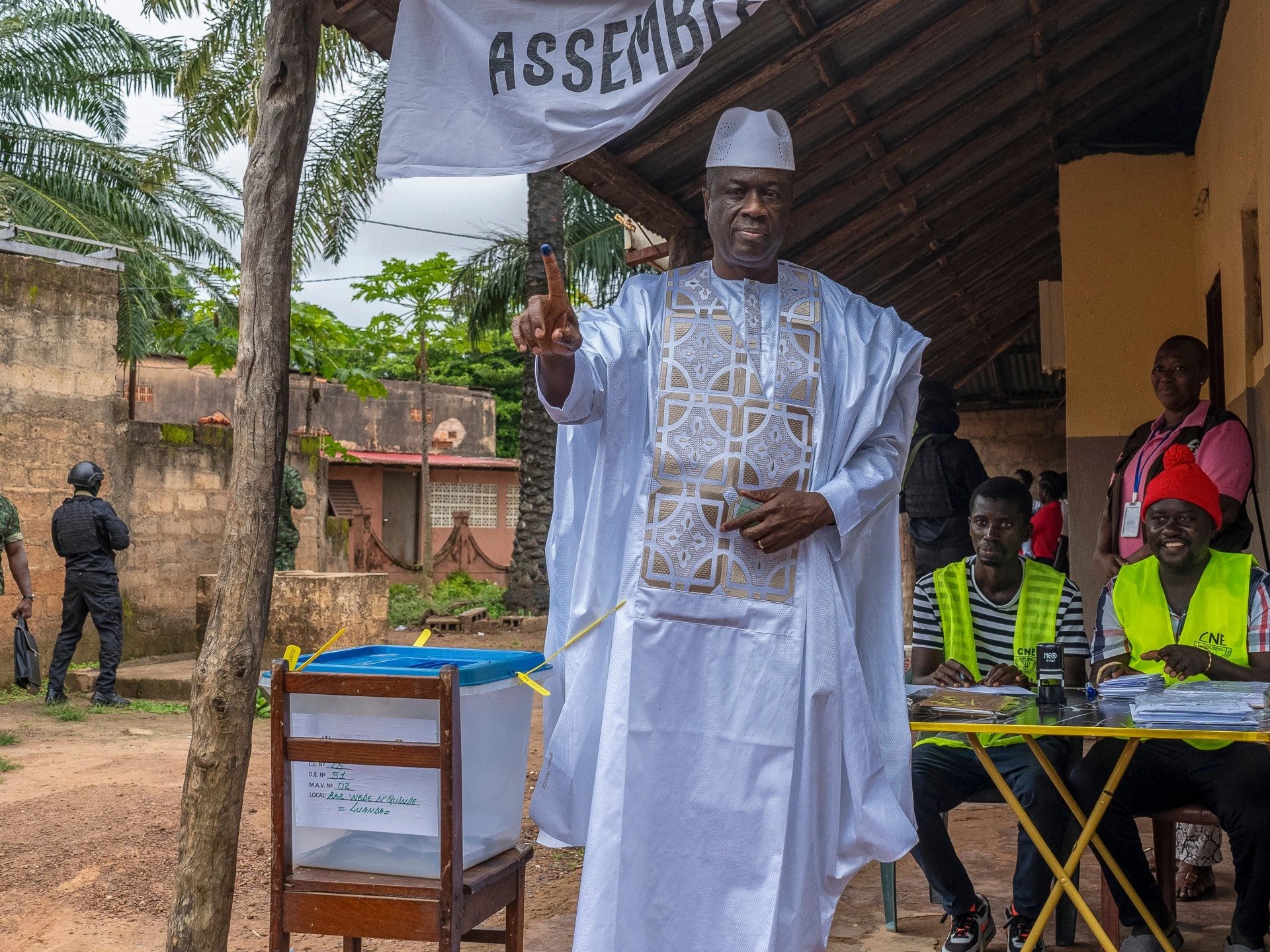
Voters in Guinea-Bissau cast ballots Sunday in a referendum on a new constitution that would shift the country from a parliamentary to a presidential system. Turnout exceeded 55 percent and the vote took place without incidents that would call its credibility into question, according to the National Electoral Commission. Results are expected Tuesday, ahead of presidential and parliamentary elections scheduled for December 6.
Key Facts
- Turnout exceeded 55 percent in Sunday's referendum, according to National Electoral Commission executive secretary Idrissa Djalo.
- The new constitution would switch Guinea-Bissau from a parliamentary to a presidential system, allowing the head of state to appoint and dismiss the prime minister and dissolve parliament.
- Presidential and parliamentary elections are scheduled for December 6, 2026, to hand power back to a civilian government.
- The referendum comes less than 10 months after the military seized power in a coup that followed the contested November 2025 presidential election.
The Referendum
Citizens of Guinea-Bissau voted Sunday on a new constitution that would reform the country's political system ahead of elections later this year. Voters answered "yes" or "no" to the question: "Do you agree with the entry into force of the new constitution approved by the National Transitional Council?" Turnout "exceeded" 55 percent and the poll took place "without any incidents that would call into question the credibility of the vote", Idrissa Djalo, executive secretary of the National Electoral Commission, told a news briefing on Sunday. Results are expected on Tuesday.
Constitutional Changes
The new constitution would switch Guinea-Bissau's political system from a parliamentary to a presidential one. It would abandon the system by which prime ministers came from the parliamentary majority, an approach that has led to uncomfortable power-sharing. The new system would also allow the head of state to appoint and dismiss the prime minister and members of the government, and to dissolve parliament.
Political Context
The referendum comes less than 10 months after the military seized power in a coup. The military government says it seeks to stabilise institutions before presidential and parliamentary elections, scheduled for December 6, designed to hand power back to a civilian government. Military leader and transitional President General Horta Inta-A Na Man said: "What we want after this referendum is to allow whoever wins the elections to see out their mandate without hindrance." Under the transitional charter he upholds, Inta-A Na Man is barred from running in elections. The referendum follows years of political instability; in the November 2025 presidential election, both candidates declared victory and accused each other of electoral interference, and the coup happened one day after.
1 source
Time · lag behind first