
Goldman Sachs sees AI supply-demand imbalance persisting until first half of 2028
This digest was compiled by AI from multiple sources — links to the originals are below.
Goldman Sachs Research's Eric Sheridan said on Yahoo Finance that AI supply and demand will not balance until the first half of 2028. He expects continued capex growth, revenue growth, and supply chain constraints. Sheridan noted memory pricing is rising and chip prices are higher than six and 12 months ago.
Key Facts
- Goldman Sachs Research's Eric Sheridan said AI supply and demand will not balance until the first half of 2028.
- Alphabet's second quarter capital expenditures reached $44.9 billion, slightly above Wall Street forecasts of $44.7 billion.
- Tesla committed $25 billion in capital expenditures for 2026, roughly three times its historical spending.
- SpaceX's second quarter capital expenditures were $18.4 billion, well above analyst estimates of around $6 billion.
- JPMorgan warned SpaceX could allocate $200 billion to AI spending in each of the next two years.
AI Capex Surge
Alphabet raised its full-year capex guidance to $195 billion to $205 billion from $180 billion to $190 billion, with a significant increase expected for 2027. Tesla expects a significant capex increase in 2027 as Elon Musk ramps up Optimus and robotaxi production. SpaceX's third and fourth quarter capital expenditures could each remain at similar levels as the second quarter, implying full-year capex of about $65 billion. Wall Street was modeling $50 billion in capital expenditures for SpaceX this year.
Supply Chain Constraints
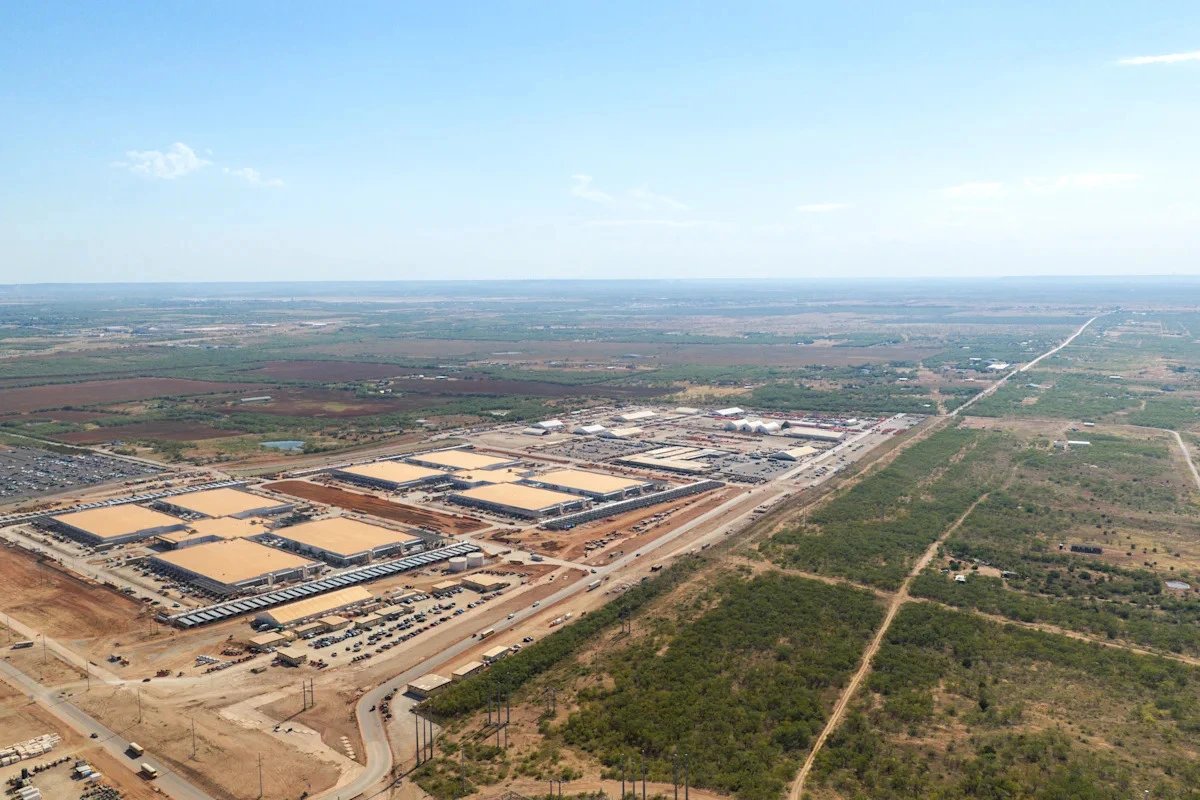
Sheridan said memory pricing is going up when the food chain is as constrained as it is. Pricing on chips is higher today than it was six and 12 months ago, so all input costs are higher. There is demand to acquire land and build out shells on the data center side, even empty shells, to get ahead of the dynamic of wanting to be there when components are available in two, three, four years' time.
1 source
Time · lag behind first