
Inflammation traps liver cells in abnormal state, blocking regeneration after alcohol damage
This digest was compiled by AI from multiple sources — links to the originals are below.
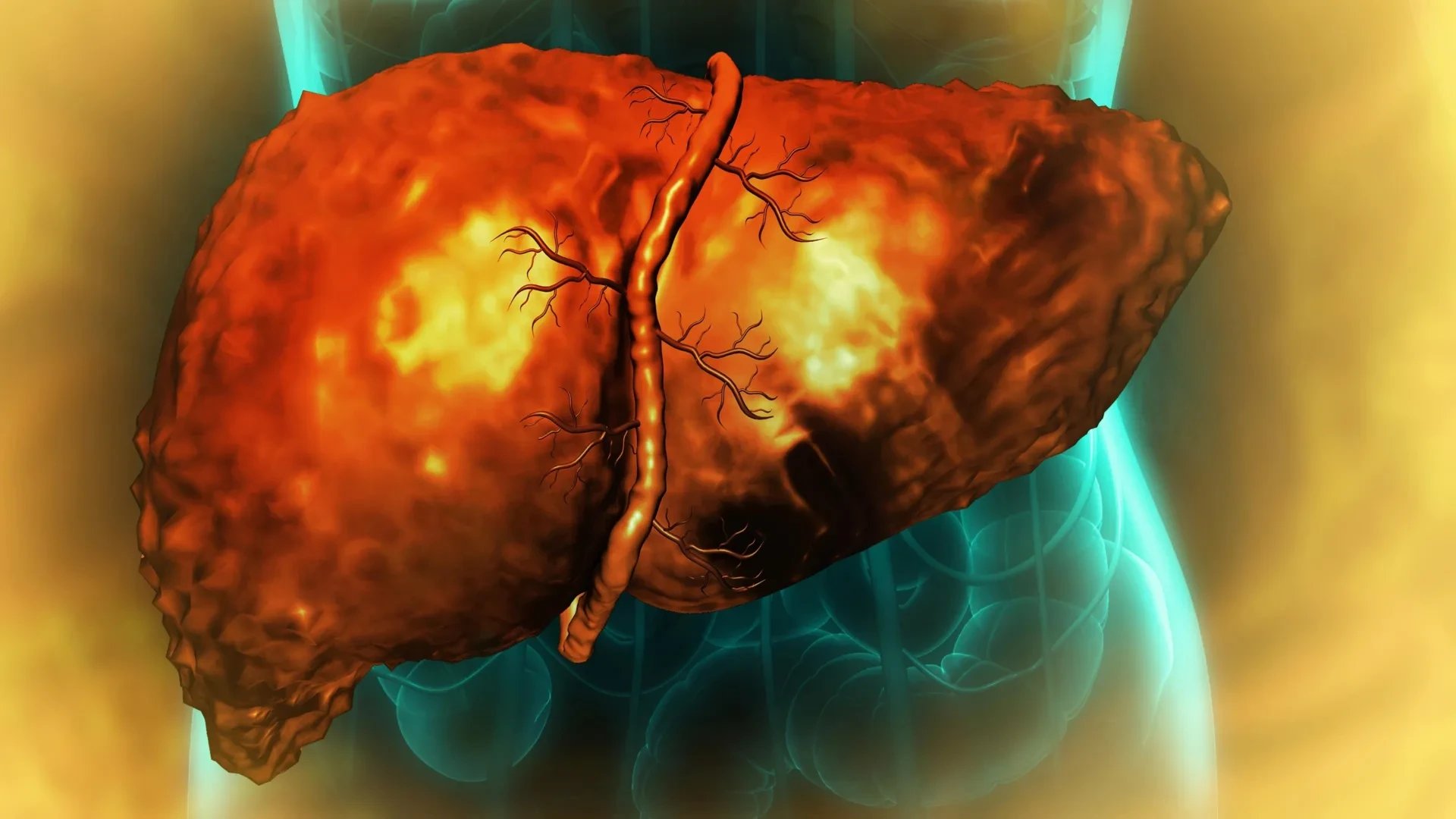
Researchers at the University of Illinois Urbana-Champaign, Duke University, and the Chan Zuckerberg Biohub Chicago found that alcohol-related liver damage leaves cells trapped in an abnormal state, unable to regenerate even after drinking stops. The study, published in Nature Communications, links this failure to inflammation disrupting RNA splicing. The findings could lead to new diagnostics and treatments for severe alcohol-associated liver disease.
Key Facts
- Alcohol-associated liver disease is the leading cause of liver-related mortality worldwide, linked to roughly 3 million deaths each year.
- The study was co-led by University of Illinois biochemistry professor Auinash Kalsotra and Duke University School of Medicine professor Anna Mae Diehl.
- Diseased liver samples were obtained from Johns Hopkins University Hospital through an initiative supported by the National Institute on Alcohol Abuse and Alcoholism.
- The findings were published in Nature Communications.
Cellular Limbo Mechanism
The team compared healthy liver samples with liver tissue from people with alcohol-associated hepatitis or cirrhosis. A striking pattern emerged: diseased liver cells were trapped in an abnormal middle state, unable to function normally or complete regeneration. This cellular limbo appears to be driven by inflammation that disrupts RNA splicing, an essential step cells use to turn genetic instructions into working proteins. Under normal circumstances, surviving liver cells can temporarily change their identity, multiply, and then mature again to restore lost tissue. In alcohol-associated liver disease, that regenerative cycle breaks down, leaving cells stuck in a fetal-like progenitor state.
Research Background
Kalsotra and Diehl have spent years studying the molecular processes that allow the liver to rebuild itself. Their previous work showed that regenerating liver cells temporarily reprogram which genes they use. To begin the repair process, mature liver cells revert toward a fetal-like progenitor state. After multiplying, the cells normally reverse that process and become mature, fully functioning liver cells again. That earlier discovery led the researchers to ask what goes wrong with this regenerative cycle in alcohol-associated liver disease.
1 source
Time · lag behind first