
GCRMN projects coral cover to fall further after 2023 bleaching hit 77% of reefs
This digest was compiled by AI from multiple sources — links to the originals are below.
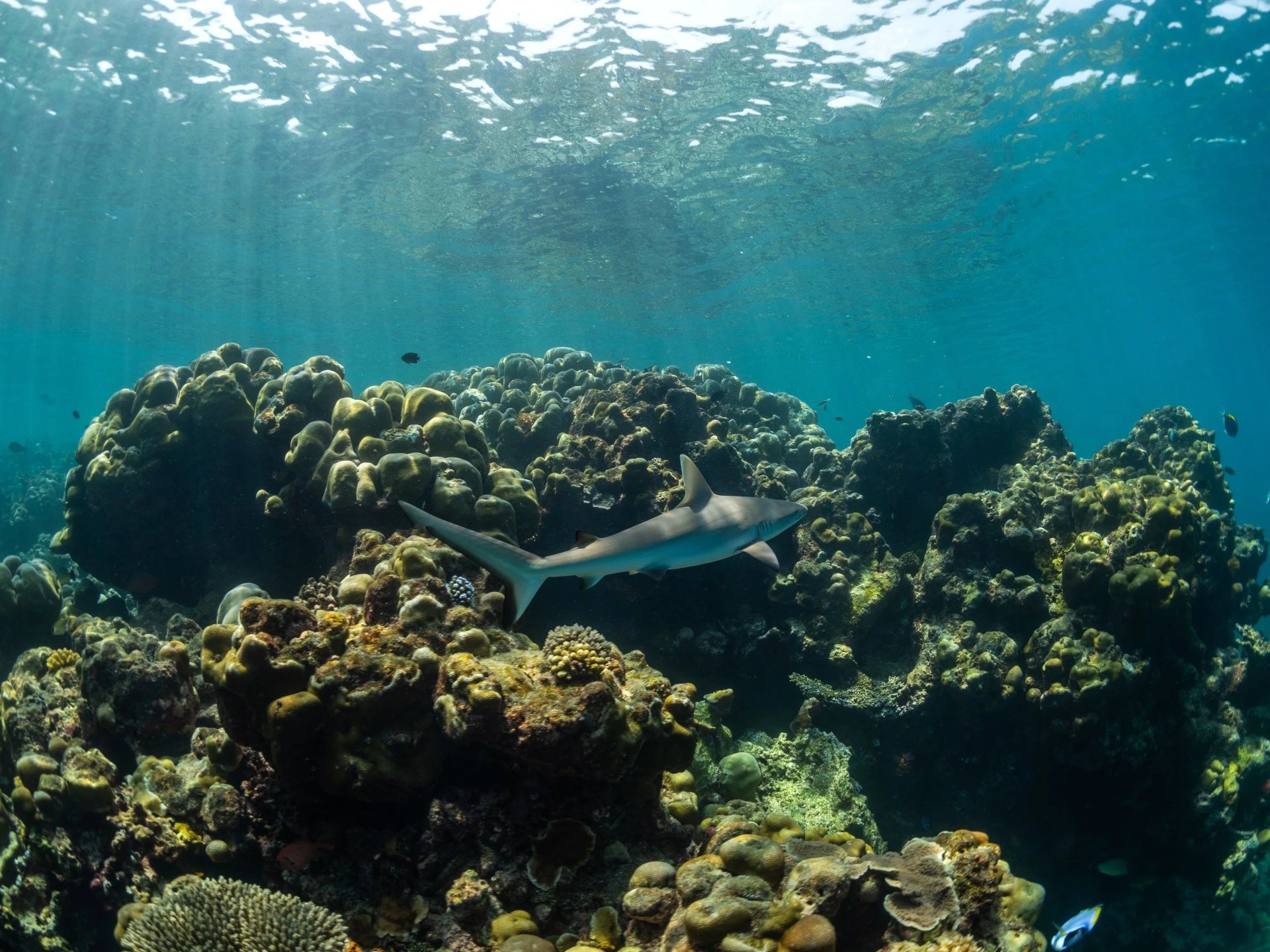
Global coral cover is now well below normal levels and at risk of irreversible decline, the Global Coral Reef Monitoring Network said in a report released Monday. Bleaching events have doubled in frequency since 2010, leaving reefs no time to recover. The 2023 bleaching was the most extensive on record, impacting 77 percent of the world’s coral reef areas.
Key Facts
- Coral reefs cover less than 1 percent of the ocean floor but support more than 25 percent of all marine life.
- The frequency of coral bleaching events has doubled since 2010, according to lead author Manuel Gonzalez Rivero.
- The 2023 bleaching event impacted 77 percent of the world’s coral reef areas, the most extensive on record.
- At least five leaders of the 18-nation Pacific Islands Forum will skip the group’s annual summit.
Bleaching Frequency
Bleaching occurs when corals expel the colourful algae living in their tissues, leaving them vulnerable to starvation and disease. Lead author Manuel Gonzalez Rivero said the frequency of bleaching events has doubled, leaving reefs insufficient time to recover. Gonzalez Rivero, a scientist at the Australian Institute of Marine Science, noted that global coral cover remained relatively unchanged for 40 years until 2010. Since 2010, there has been a very steep change in coral cover, according to Gonzalez Rivero.
2023 Bleaching Event
The 2023 bleaching event was the most extensive on record, impacting 77 percent of the world’s coral reef areas. Rivero warned that another such event is very likely this year given elevated temperatures globally. Bleached coral are not dead, but they need time in cooler water to recover.
Pacific Islands Forum
The GCRMN’s warning came as organisers of the annual Pacific Islands Forum announced that at least five leaders of the 18-nation group will skip the summit. The forum has been touted for decades as a symbol of regional unity and is used to discuss pressing matters facing Pacific states, including climate change and ocean health.
1 source
Time · lag behind first