
Inland vessels emit 24.7% of global shipping CO₂, Nature Climate Change study finds
This digest was compiled by AI from multiple sources — links to the originals are below.
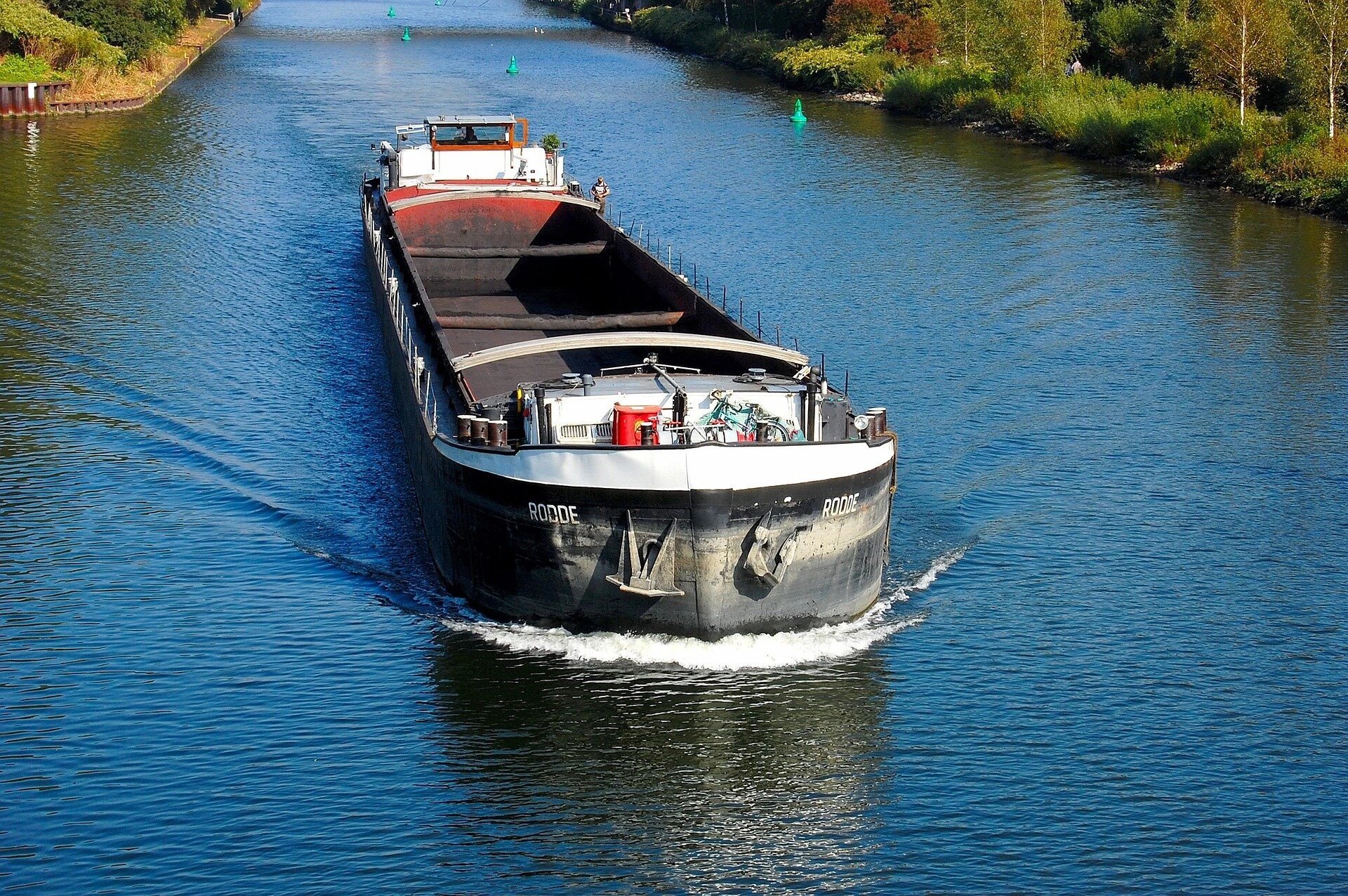
Inland vessels on rivers and canals emitted 164 million metric tons of carbon dioxide in 2022, accounting for 24.7% of global shipping emissions, according to a study published in Nature Climate Change. Emissions nearly doubled between 2019 and 2022, driven by rising vessel activity and economic demand, particularly in Asia. The estimate comes despite inland waterways making up less than 1% of Earth's navigable waterways.
Emissions Estimate
Researchers in China analyzed about 20 billion ship-tracking records collected from 2019 to 2022 and identified 12,289 navigable rivers and canals with persistent vessel activity. Because tracking signals can drop out and straight-line plots misrepresent winding rivers, the team built a route reconstruction model and combined corrected vessel movements with ship specifications to estimate fuel use and exhaust emissions. The resulting estimate for 2022 was 164 million metric tons of carbon dioxide, or 24.7% of global shipping emissions. The authors published the findings in Nature Climate Change.
Geographic and Fleet Concentration
Around 69% of inland vessel emissions originated from 20 major rivers, including the Yangtze, Rhine, Mississippi and Danube. Cargo ships accounted for roughly two-thirds of inland vessel CO₂ emissions. Shipping emissions on navigable rivers were about 80% as large as estimated natural CO₂ release from organic matter breakdown and soil runoff. The researchers describe these waterways as hybrid carbon environments, where river-atmosphere exchange and anthropogenic transport emissions coexist at comparable magnitudes.
Seasonal and Hydroclimatic Drivers
Emissions fluctuated by time of year and local water and climate conditions. The study attributes the pattern to coupled socioeconomic demand and hydroclimatic capacity, with vessel exhaust governed by both economic activity and river navigability. The largest increases between 2019 and 2022 were driven by vessel activity and demand in Asia.
1 source
Time · lag behind first