
Yayoi Kusama, Japanese artist of polka dots and infinity rooms, dies
This digest was compiled by AI from multiple sources — links to the originals are below.
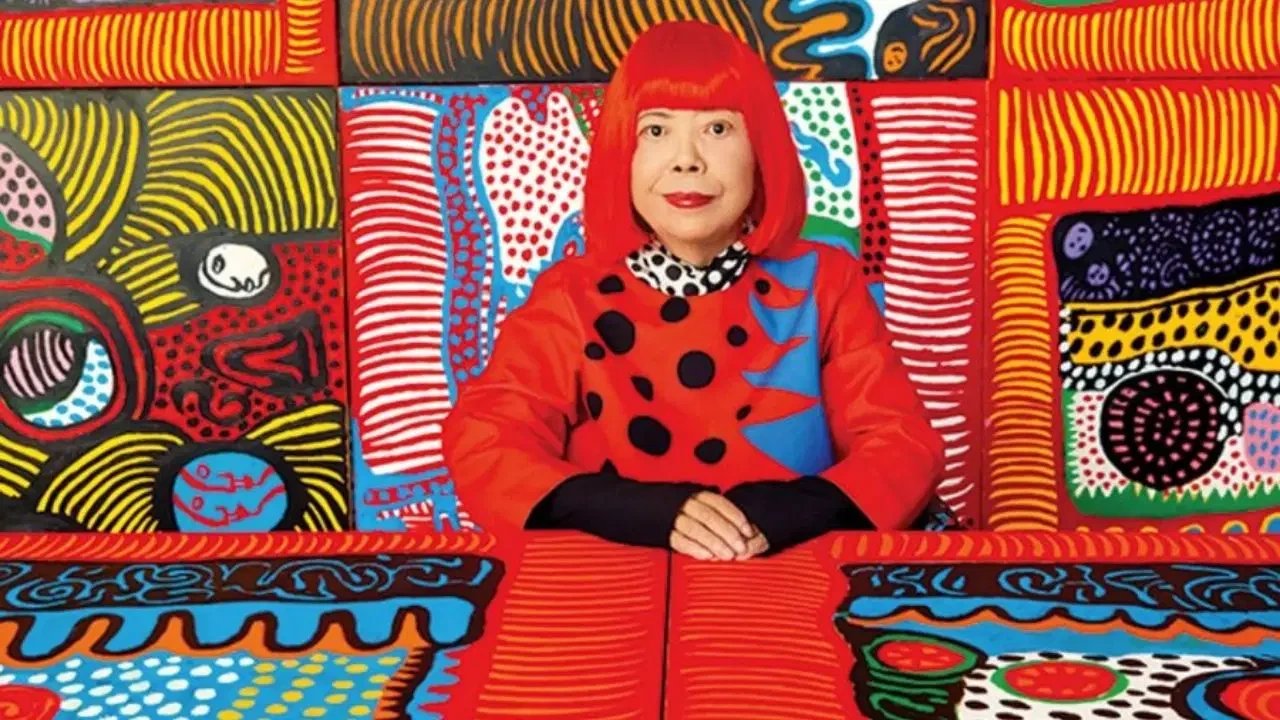
Japanese artist Yayoi Kusama, known for her polka dots and infinity mirror rooms, has died. She was 97. Kusama was born in Matsumoto, Japan in 1929 and rose to prominence in New York in the 1960s.
Key Facts
- Yayoi Kusama was born in Matsumoto, Japan in 1929.
- In 1966, Kusama installed Narcissus Garden, consisting of 1,500 mirrored spheres, at the Venice Biennale.
- Kusama moved to New York in the late 1950s and created paintings, sculptures, and installations.
Early Life and Artistic Beginnings
Yayoi Kusama was born in 1929 in Matsumoto, Japan. As a child, she experienced hallucinations in which patterns moved and spread from tablecloths to walls and ceilings. She began drawing these frightening visions, which became the foundation of her artistic world.
New York and the 1960s
In the late 1950s, Kusama moved to New York with little money and no established place in the art world. She filled large canvases with small loops and nets, and expanded beyond painting to sculptures, installations, and anti-war demonstrations. In 1966, she installed Narcissus Garden at the Venice Biennale, comprising 1,500 mirrored spheres that she tried to sell for a few dollars each.
Legacy and Contemporary Reception
Kusama's mirrored rooms now attract visitors who often photograph themselves inside the installations. Her work, which sought to dissolve the boundary between self and environment, has become a backdrop for self-display in the age of smartphones.
1 source
Time · lag behind first