
Everest death zone: how extreme altitude, cold and oxygen loss kill climbers
This digest was compiled by AI from multiple sources — links to the originals are below.
Climbers above 8,000 meters on Everest enter the death zone, where oxygen is one-third of sea level and the body begins to shut down. A failed oxygen cylinder left Purnima Shrestha in panic at the summit, and more than 300 people have died on the mountain since records began in the 1920s. At least five more died in the last climbing season that ended in May.
Key Facts
- More than 300 people have died attempting to climb Everest since records began in the 1920s.
- At least five climbers died in the last climbing season that ended in May.
- In the death zone, climbers breathe about one-third of the oxygen available at sea level.
- A healthy climber with supplemental oxygen can survive 16 to 20 hours in the death zone before the body shuts down completely.
- Temperatures in the Everest death zone can drop to -40°C.
The Death Zone
The death zone is the part of Everest above 8,000 meters, where the human body functions in a very limited way and requires supplemental oxygen. Dr. Nima Namgyal Sherpa, a specialist in emergency medical care for climbers, says that without supplemental oxygen people begin to show symptoms of severe altitude sickness within about 30 minutes, which can lead to death. At this altitude, climbers breathe about one-third of the oxygen available at sea level. A healthy climber with supplemental oxygen can survive 16 to 20 hours before the body shuts down completely, according to experts.
Cold and Frostbite
Temperatures in the Everest death zone can drop to -40°C, and severe winds make conditions even harder. One of the most common conditions caused by the cold is frostbite. Dr. Nima explains that when body temperature drops, the defense mechanism kicks in and blood is pulled from the hands and feet to the internal organs. Due to the lack of oxygen, body cells begin to die. First aid training is also given to highly competent local climbers who guide tourists and often carry their equipment up the mountain.
Survival Stories
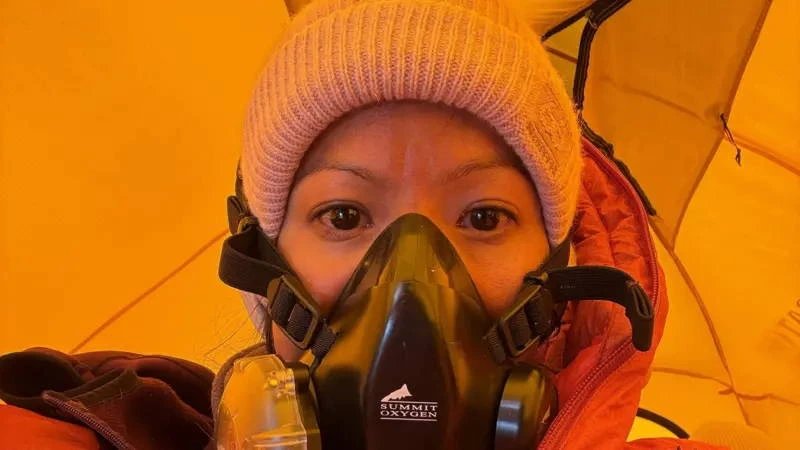
Purnima Shrestha reached the summit of Everest after a difficult 13-hour climb on the final stage, but her success turned to panic when her last oxygen cylinder failed and was empty. She told BBC World Service that she thought it was not safe to stay even one second longer. In early June, a Nepali guide went missing at about 7,500 meters and was found alive six days later. Dawa Sherpa said he survived by chewing ice and eating a few chocolates he found in his pocket. He told BBC Nepali that he did not expect to survive and thought he would die that way.
1 source
Time · lag behind first