
Ancient Egyptian princesses' bones show they trained with weapons
This digest was compiled by AI from multiple sources — links to the originals are below.
Bone analysis of six royal mummies from Egypt's Middle Kingdom shows princesses regularly trained with weapons such as bows and daggers. The findings, published in Frontiers in Environmental Archaeology, link robust muscle attachments to the weapons found in their tombs at Dahshur.
Key Facts
- The study examined six royal mummies from Dahshur, including four sisters and daughters of Pharaoh Amenemhat II.
- Princess Ita, aged 28–34, had strong upper-body muscle attachments suggesting habitual use of maces or daggers.
- Princess Itaweret, aged 20–34, survived broken ribs and foot fractures and was identified as a skilled archer.
- The mummies were rediscovered in the Egyptian Museum during a curation project in 2020 after being lost to scholarly attention for decades.
Royal Mummies at Dahshur
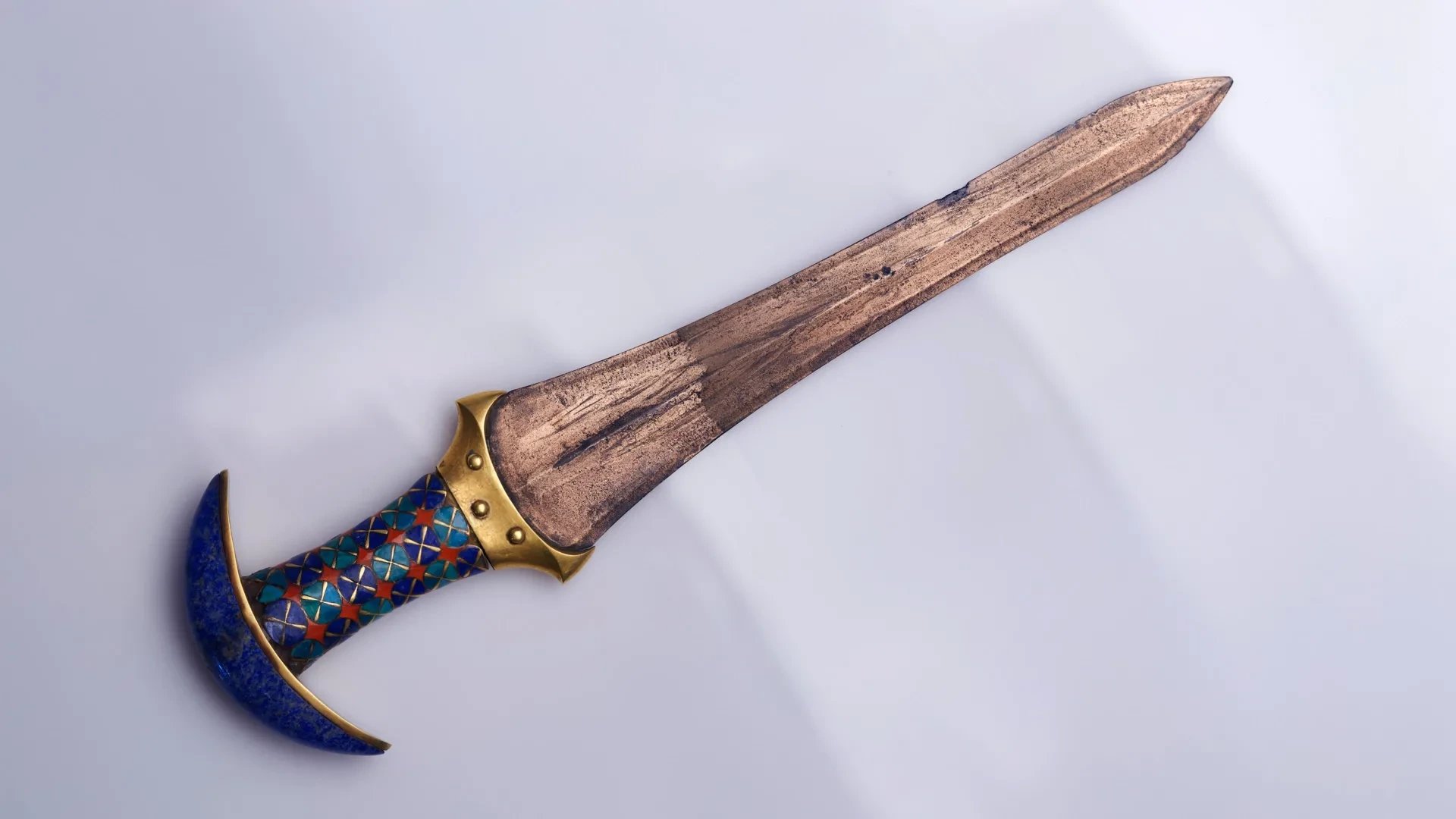
The research focused on six royal mummies originally uncovered during the 1890s at Dahshur, an Egyptian burial complex containing pyramids and shaft tombs. Four of the six individuals were sisters and daughters of the pharaoh Amenemhat II, placed in matching underground burial chambers. Princess Ita was buried beside Princess Khenmet, while Princess Itaweret was interred alongside an unidentified woman tentatively identified as Princess Sathathormeryt. The tombs contained objects more commonly associated with male burials, including bows and arrows, and Princess Ita's coffin held an especially ornate dagger.
Skeletal Evidence of Training
The sisters' skeletons contained unusually robust muscle attachments, indicating that they regularly performed strenuous physical activities. Those patterns closely match the movements required to use the weapons placed in their graves. Princess Khenmet, a woman in her late 30s or 40s, showed signs of thinning bones but had very robust ligament attachments. Lead author Dr. Zeinab Hashesh stated that members of the royal family, especially women, were active participants in skilled, physically demanding activities such as archery and hunting.
1 source
Time · lag behind first