Six Months of Middle East War Reshapes US Politics and Global Economy
This digest was compiled by AI from multiple sources — links to the originals are below.
Six months into the Middle East conflict, President Donald Trump's approval rating has fallen from 40% to 33%, with only 31% of Americans supporting the war. The war has disrupted shipping through the Strait of Hormuz, raising energy prices and deepening inflation, while the global economy has proven more resilient than expected. Iran has been weakened but not defeated, retaining missile and drone capabilities and the ability to continue attacks.
Key Facts
- President Donald Trump's approval rating dropped from 40% to 33% due to the war, with only 31% of Americans supporting the conflict.
- The war has disrupted shipping through the Strait of Hormuz, leading to higher energy prices and deepening inflation.
- Iran has retained missile and drone capabilities and the ability to continue attacks despite serious damage to its military infrastructure and economy.
- US intelligence estimates Iran now needs one year to produce enough material for a nuclear weapon, though the program's exact status remains unknown.
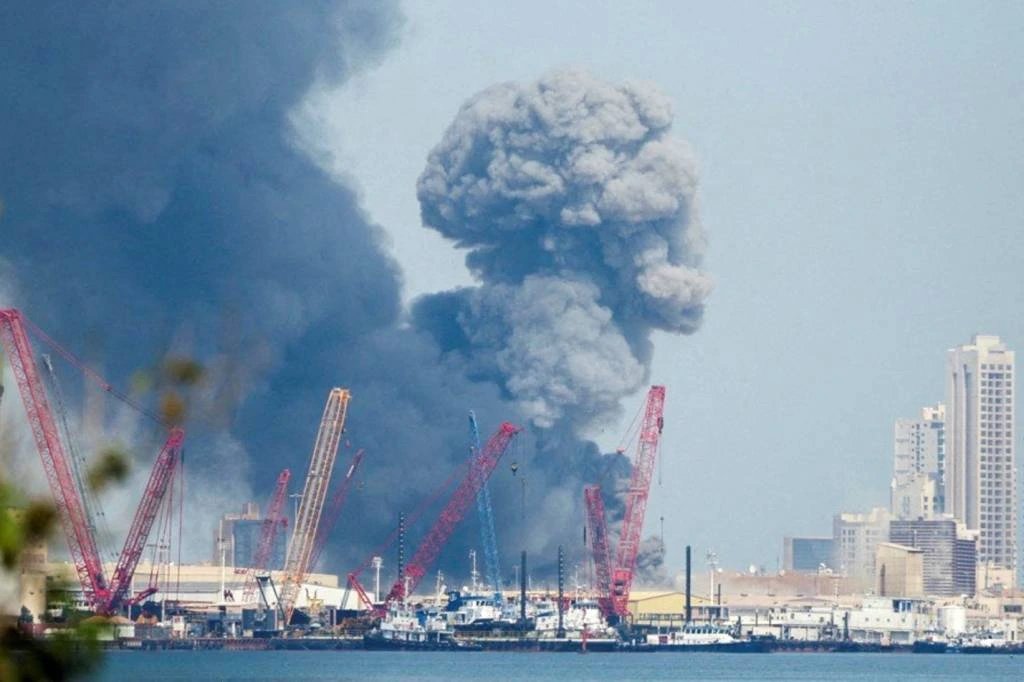
- NBC News reported that Iran's attack caused billions of dollars in damage to US intelligence infrastructure in the Middle East.
US Political Fallout
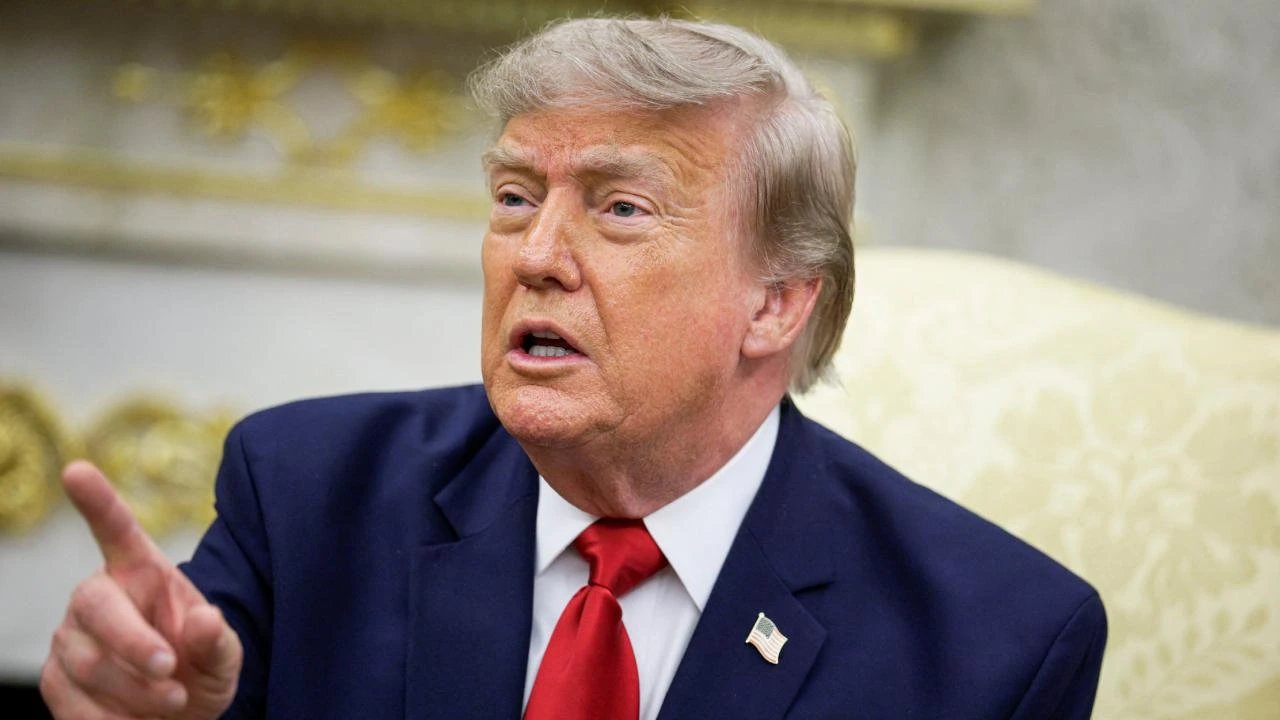
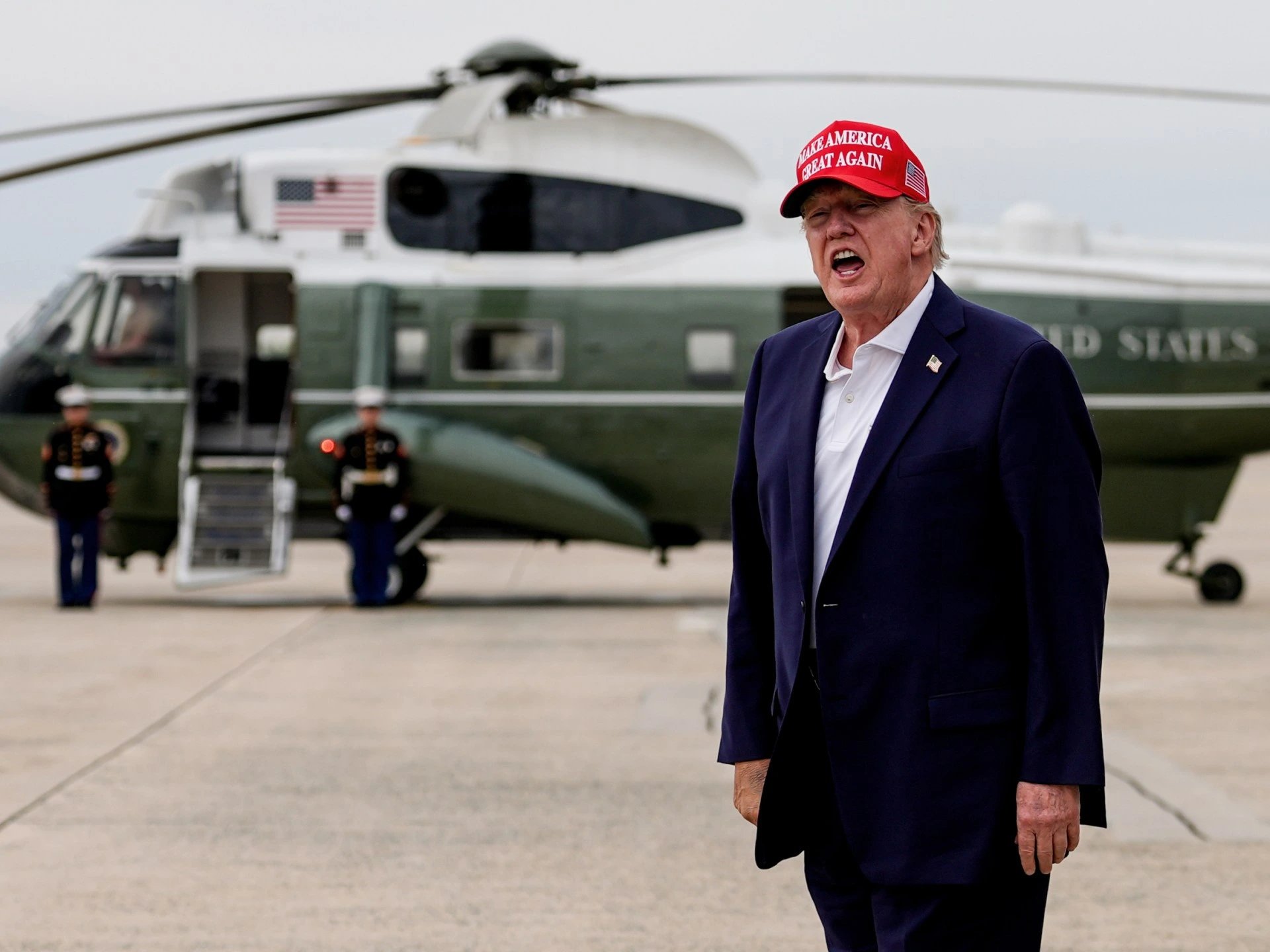
President Donald Trump's approval rating has fallen from 40% to 33% since the war began, according to Reuters. Only 31% of Americans support the war, and rising gasoline prices are fueling discontent ahead of the November congressional elections. The war has consumed a vast stockpile of US missiles and interceptors, and the US has lost aircraft and redeployed resources to the Middle East. Questions have increased about the readiness of American forces in other regions due to the resource drain.
Iran's Military and Nuclear Status
Iran has suffered serious damage to its military infrastructure and economy but has not been defeated. Tehran has retained missile and drone capabilities and remains capable of continuing attacks. US intelligence estimates Iran now needs one year to produce enough material for a nuclear weapon, though the program's exact status remains unknown. Iran's attack on US targets and allies has increased risks to regional security and trade.
Regional and Economic Impact
The disruption of shipping through the Strait of Hormuz has raised energy prices and deepened inflation. Despite the disruption, the global economy has proven more resilient than expected. NBC News reported that Iran's attack caused billions of dollars in damage to US intelligence infrastructure in the Middle East. The US is not planning another attack on Iran in the near future but intends to increase economic pressure through sanctions and a naval blockade, possibly until the November 3 congressional elections.
1 source
Six Months of Middle East War Reshapes US Politics and Global Economy