
Virginia Tech chemists convert PVC waste into engine oil ingredient
This digest was compiled by AI from multiple sources — links to the originals are below.
Virginia Tech chemists led by Guoliang Liu developed a method to convert PVC waste into polyalphaolefin, a key lubricant ingredient. The process, published Aug. 5 in Nature, heats PVC with aluminum trichloride and alpha olefins at 158°F for three hours. The team says the resulting oil could reduce plastic waste and lower lubricant production costs.
Key Facts
- The method converts PVC into polyalphaolefin, an ingredient used in engine oil and other lubricants.
- The process heats PVC with aluminum trichloride and alpha olefins at 158 degrees Fahrenheit for three hours.
- The research was published Aug. 5 in the journal Nature.
- The team previously converted other plastic waste into surfactants for soaps and detergents, published in Science and Nature Sustainability.
- Liu said the lubricants are green and can meet emerging market needs for sustainability.
PVC Recycling Challenge
PVC is difficult to recycle because it contains chlorine and can include a wide range of additives depending on manufacturing. Large quantities of PVC end up in landfills due to these complications. Demand for lubricants such as engine oil continues to grow, with significant environmental costs to produce. Converting discarded PVC into a useful lubricant component could reduce plastic waste while creating a valuable new product.
Conversion Process
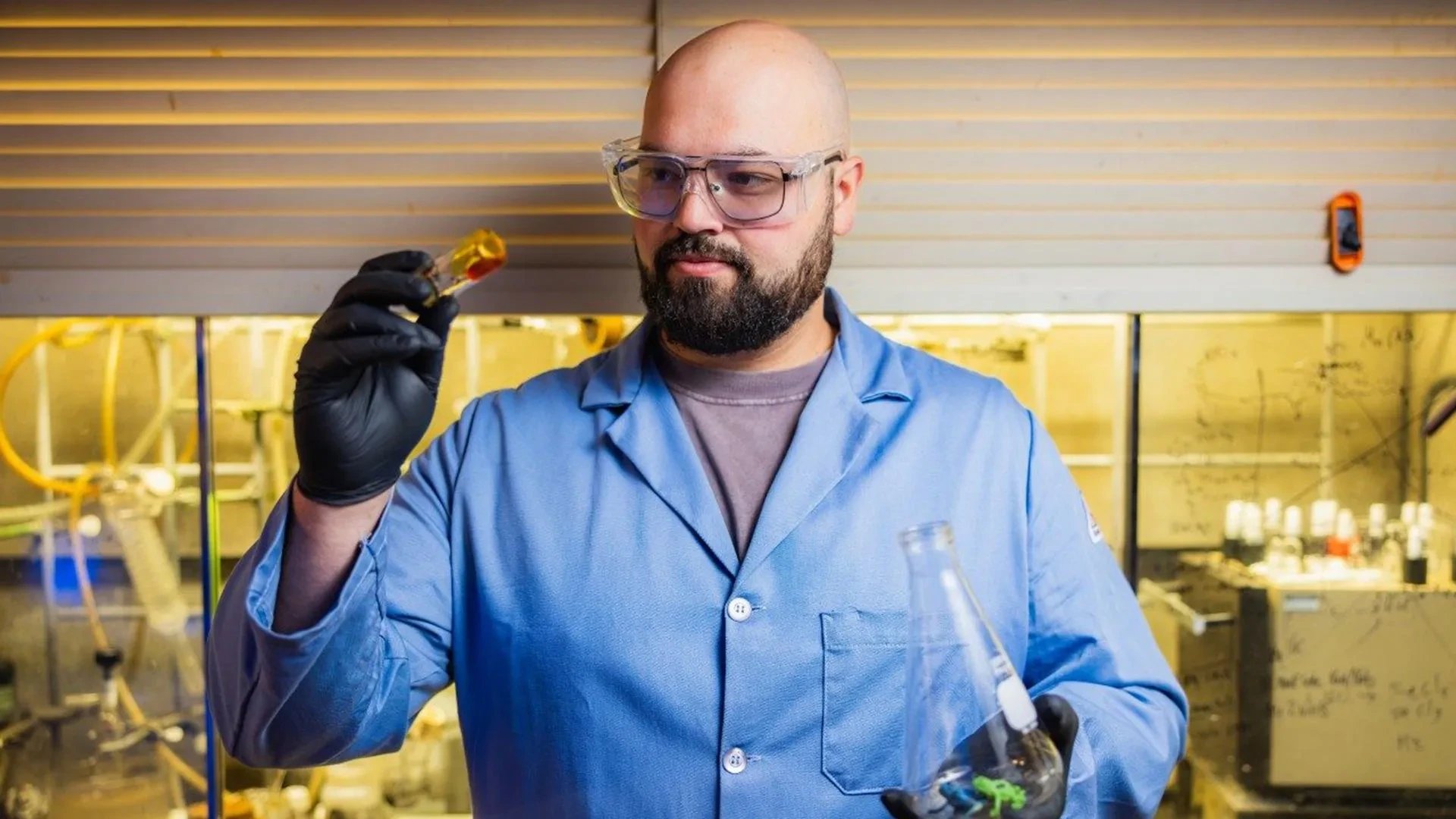
The method begins with PVC similar to material found in household plumbing, window structures, and credit cards. Researchers place the PVC in a solvent, then add aluminum trichloride and alpha olefins. The mixture is heated to 158 degrees Fahrenheit for three hours. Afterward, researchers extract a relatively thick oil from the solvent that functions as a lubricant. Liu said the team proved it is feasible to use plastic waste to make high-performance lubricants.
Research Team
The project grew out of previous work by the team published in Science and Nature Sustainability. Those studies converted other plastic waste into surfactants used in soaps and detergents. Liu assembled a team of graduate researchers, with doctoral student Eric Munyaneza Nuwayo leading the effort. Graduate student Connor S. Thompson shifted from another project to join the PVC challenge.
1 source
Time · lag behind first