India approves missile technology transfer to private companies
This digest was compiled by AI from multiple sources — links to the originals are below.
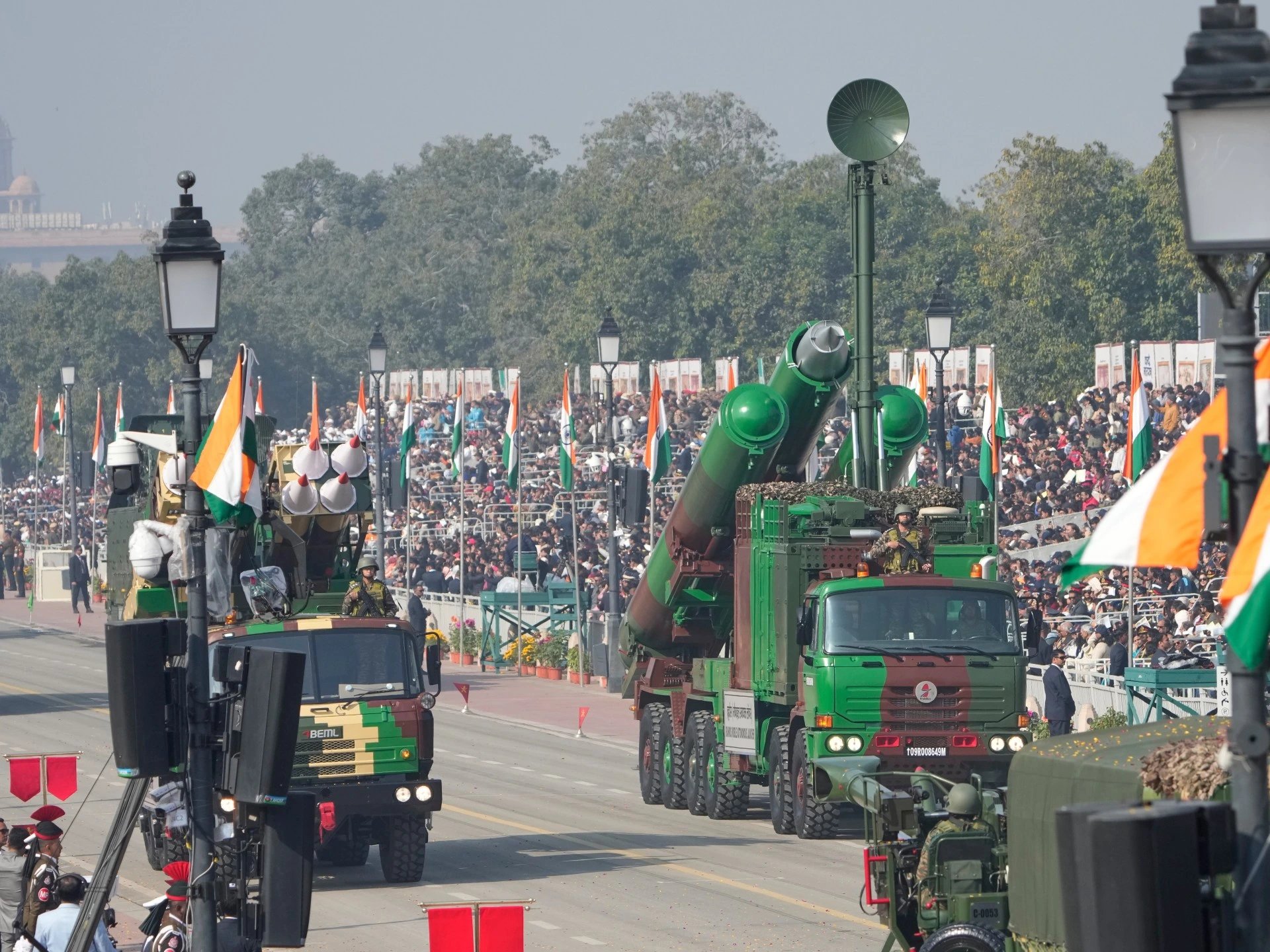
India's defense ministry approved transferring technology for all conventional missile systems from state-run organizations to private companies. The move aims to expand the missile manufacturing base and reduce import dependence. The decision follows prolonged conflicts in Ukraine and the Middle East that exposed missile stockpile shortages.
Key Facts
- India's defense ministry approved transferring technology for all conventional missile systems to private companies.
- The ministry called the initiative an "important milestone" in a statement Tuesday.
- The move will enhance operational capability, reduce import dependence, and leverage Indian industry capabilities, according to the ministry.
- India's brief conflict with Pakistan last year lasted four days, during which missiles were extensively used, said Manoj Joshi of the Observer Research Foundation.
Technology Transfer Decision
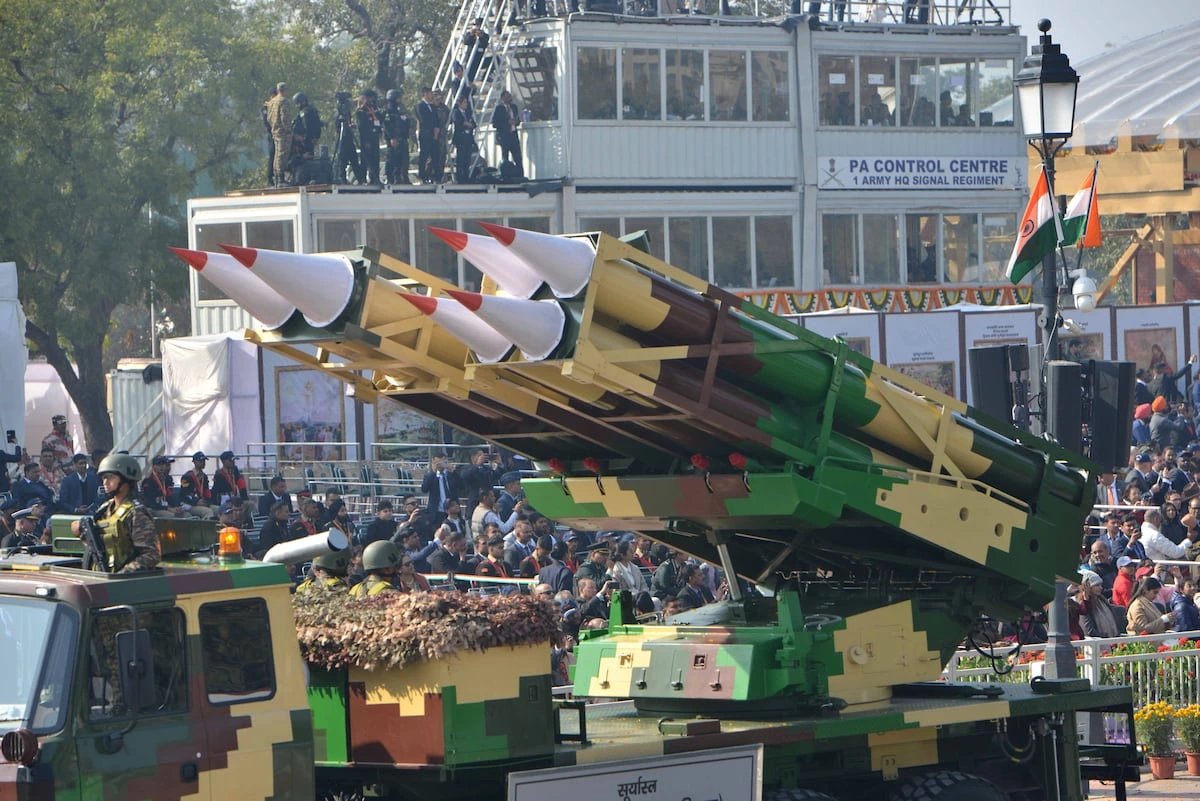
India's defense ministry approved the transfer of technologies for all conventional missile systems from state-run organizations to private companies. The ministry called the initiative an "important milestone" in a statement Tuesday. The move will enhance operational capability, reduce import dependence, and leverage the capabilities of the Indian industry for development and manufacture of advanced defense systems, according to the ministry. The government did not identify the missile systems whose technology will be transferred to private companies. Reports said the move could cover a broad range of conventional systems, from air-defense missiles to air-to-air and surface-to-surface missiles.
Strategic Rationale
The decision to broaden the missile manufacturing base comes as India's armed forces seek to build up their missile inventories. Wars in Ukraine and the Middle East have exposed the challenges countries face in replenishing missile and ammunition stocks depleted by prolonged conflicts. Shortages of U.S.-made Patriot interceptors have strained Ukraine's air-defense capabilities and raised concerns about dwindling stocks among U.S. allies in the Middle East. Analysts said New Delhi's move reflects lessons from the wars in Ukraine and the Middle East, as well as from India's brief conflict with Pakistan last year. Manoj Joshi, distinguished fellow at the Observer Research Foundation in New Delhi, said the hostilities with Pakistan lasted four days, but if they had dragged on, India too might have faced a problem with missile stockpiles because missiles were extensively used during the conflict.
Private Sector Role
After decades of state dominance, private firms have begun playing a bigger role in India's defense industry, producing equipment such as drones and being invited to participate in the country's ambitious fifth-generation fighter program. Joshi said that increasing private sector involvement in military equipment production will make India's defense sector more agile and productive as the country seeks greater self-reliance. "This restructuring is important. It is the path that most countries follow," Joshi said.
1 source
India approves missile technology transfer to private companies