Putin's Kuril Visit Deepens Japan-Russia Territorial Impasse
This digest was compiled by AI from multiple sources — links to the originals are below.
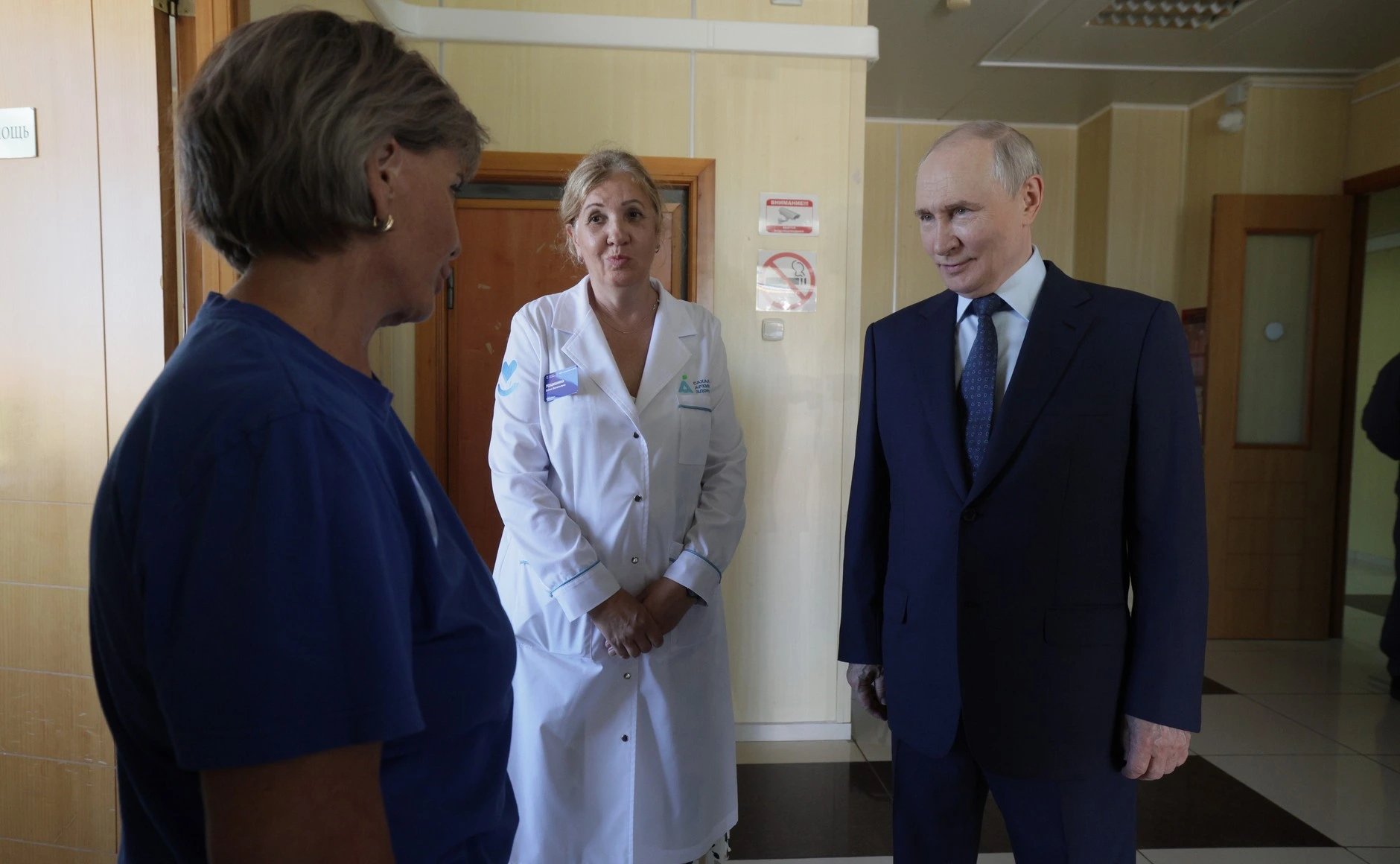
Russian President Vladimir Putin visited the Kuril Islands on August 12, his first trip to the disputed archipelago. Japan protested, with Prime Minister Takaichi Sanae calling the visit unacceptable and an offense to Japanese sentiments. The visit has further strained relations between the two countries, which have yet to sign a formal peace treaty ending World War II.
Key Facts
- Putin's August 12 visit was his first to the Kuril Islands, making him the second Russian leader to do so after Dmitry Medvedev in 2010.
- Japanese Prime Minister Takaichi Sanae called the visit unacceptable and an offense to the sentiments of the Japanese people.
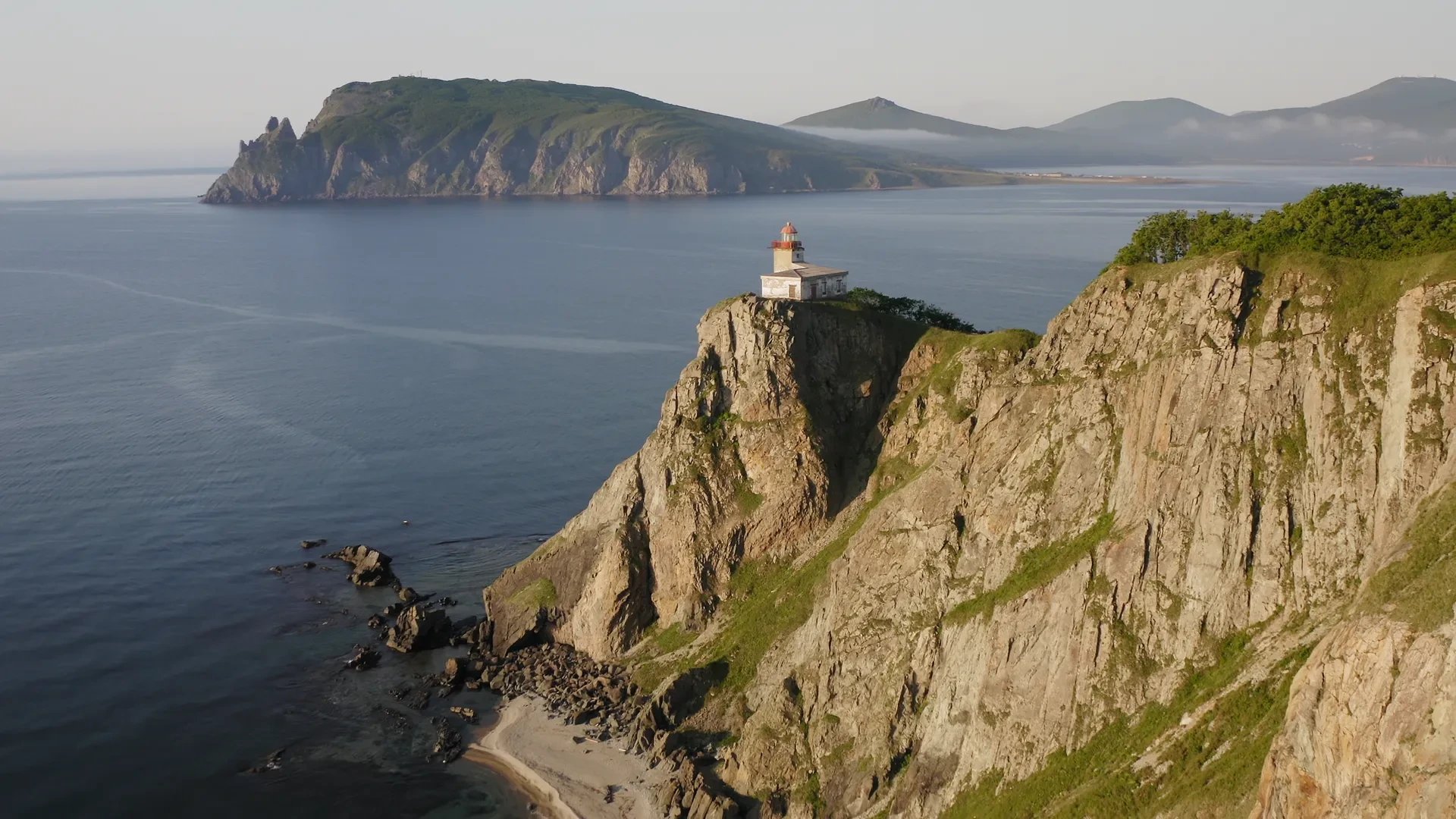
- The Kuril archipelago comprises 56 islands stretching 1,300 kilometers from Kamchatka to Hokkaido; Japan claims the four southernmost islands: Iturup, Kunashir, Shikotan, and Habomai.
- The 1956 Soviet-Japanese Joint Declaration ended the state of war and restored diplomatic relations, with the Soviet side agreeing to transfer Shikotan and the Habomai Islands to Japan.
- The 2001 Irkutsk Statement reaffirmed the 1956 declaration as the baseline legal foundation for peace talks.
The Visit and Japan's Protest
Putin's August 12 visit to the Kuril Islands was his first, following Prime Minister Mikhail Mishustin's 2021 trip and President Dmitry Medvedev's landmark 2010 visit. Japan responded with a formal protest, with Prime Minister Takaichi Sanae calling the visit unacceptable and an offense to the sentiments of the Japanese people. The visit has made it even harder to restore relations between the two countries, according to The Diplomat.
Territorial Dispute and Historical Context
The islands have been the subject of an ongoing territorial dispute between Japan and Russia for over 80 years, preventing the two countries from formally ending World War II. Russia administers the islands as part of the Sakhalin region, while Japan considers the four southernmost islands part of Hokkaido prefecture and argues they are illegally occupied. The 1855 Treaty of Shimoda drew the frontier just north of the four islands closest to Japan, but the 1875 Treaty of Saint Petersburg handed the entire chain to Japan in exchange for Russia gaining full control of Sakhalin. Soviet troops completed their takeover of the islands after Japan's surrender in August 1945, and the capture has prevented Moscow and Tokyo from signing a formal peace treaty.
Diplomatic Efforts and Legal Framework
In 1956, Moscow and Tokyo signed a joint declaration that ended their state of war and restored diplomatic relations, though it was not a formal treaty ending the war. As part of the declaration, the Soviet side agreed to transfer Shikotan and the Habomai Islands to Japan. Negotiations continued after the Cold War, producing the 1993 Tokyo Declaration and the 2001 Irkutsk Statement, the latter reaffirming the 1956 declaration as the baseline legal foundation for peace talks.
1 source
Putin's Kuril Visit Deepens Japan-Russia Territorial Impasse