Six months of Iran war leave Arab states facing economic and security uncertainty
This digest was compiled by AI from multiple sources — links to the originals are below.
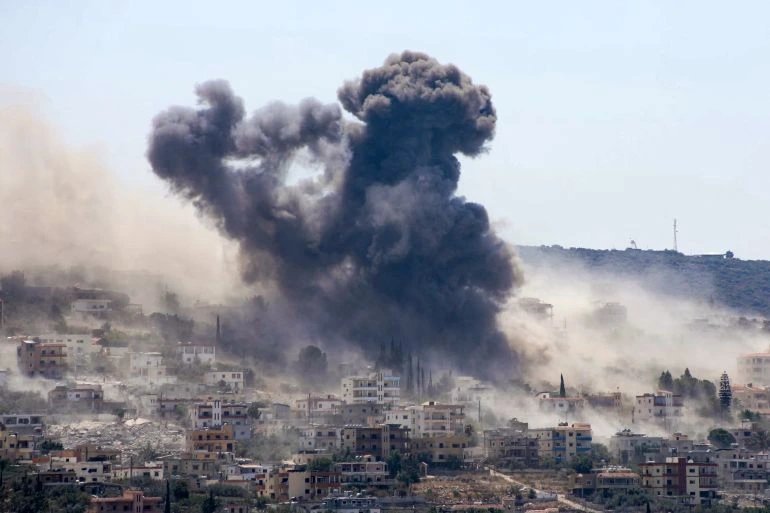
Six months after the US and Israel launched attacks on Iran on February 28, the war has settled into attrition with no regime collapse in Tehran. Gulf economies face growing uncertainty as Strait of Hormuz traffic remains at a fraction of pre-war levels. Analysts say the conflict is unlikely to end soon, even as regional diplomacy continues.
Key Facts
- The war began on February 28 with surprise Israeli and US attacks on Iran.
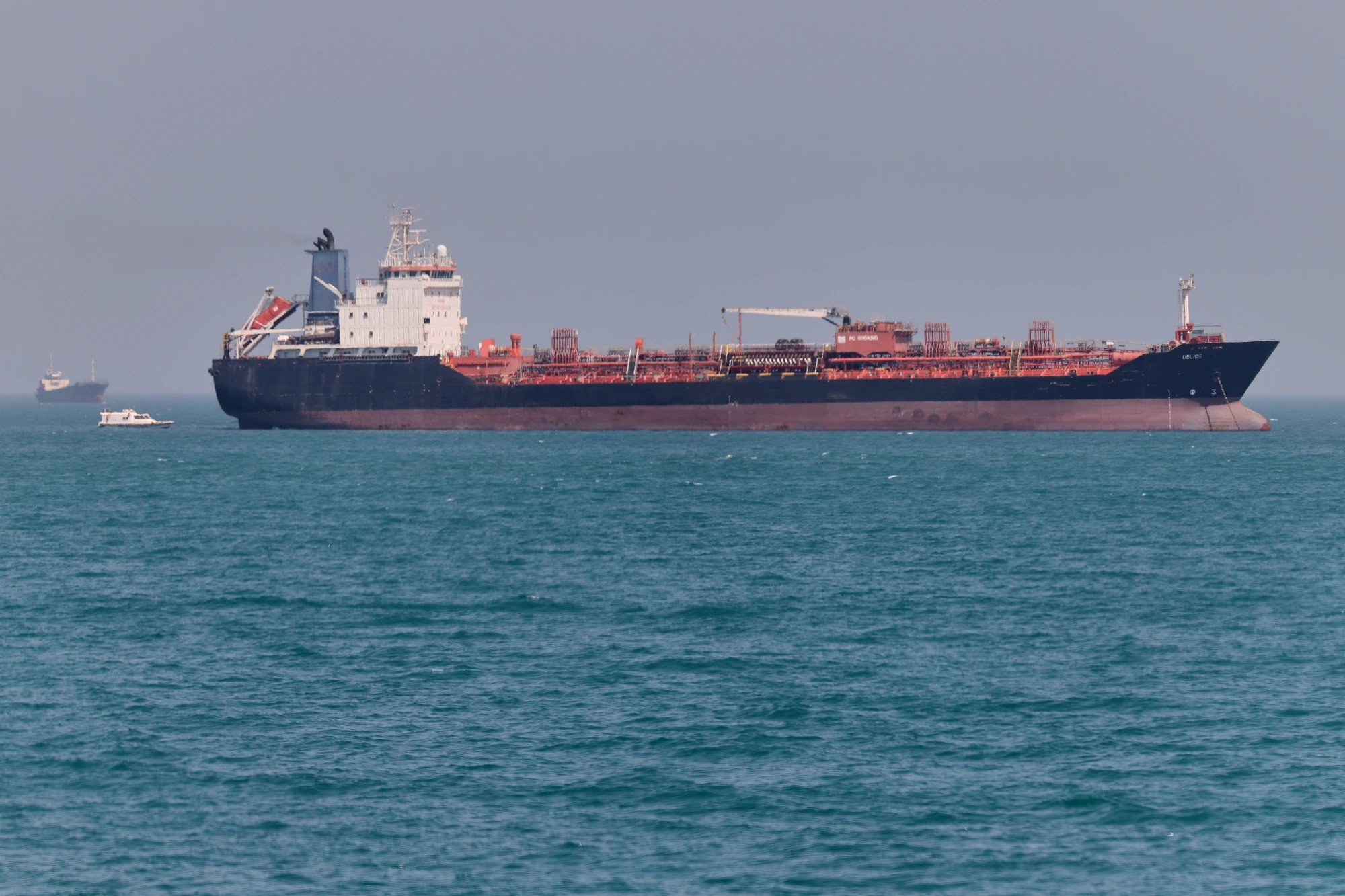
- Traffic in the Strait of Hormuz has dropped to 5 percent of pre-war levels.
- Washington and Tehran signed a memorandum of understanding in June, but the war continues.
- Turkiye, Pakistan and Saudi Arabia signed a defence agreement in Mecca.
- Chatham House's Sanam Vakil says the war accelerated existing trends rather than starting new ones.
Attrition and Stalemate
Analysts broadly agree the US and Israel's war on Iran will not see regime collapse in Tehran or a definite victory for Washington. The US leadership initially hoped mounting economic and military pressure would force a structural shift in Iran. Six months on, that vision has not materialised, and many are preparing for a protracted war and managed fallout. HA Hellyer of the Royal United Services Institute said there is no chance of the government in Tehran falling in the next six months.
Economic and Security Fallout
Oil-dependent economies are still absorbing supply shocks after traffic in the Strait of Hormuz slowed to a trickle of pre-war levels. The US military remains entrenched in a region that is its most militarised in years. Existing tensions, such as those between the Houthi rebels and Saudi Arabia in Yemen, look set to increase as the war drags on. The defence agreement between Turkiye, Pakistan and Saudi Arabia signed in Mecca will likely be the first of many such military pacts in the region.
Regional Realignment
The influence of rival powers such as India and China remains stalled rather than stopped, with Beijing's Belt and Road Initiative already established in the Middle East and North Africa. The region remains in flux where formal alliances with outside powers no longer guarantee safety. Sanam Vakil, director of the Middle East and North Africa Programme at Chatham House, said the war has accelerated trends that were already under way. Gulf countries were already diversifying their economies and broadening defence partnerships beyond existing US security guarantees, Vakil added.
4 sources
Six months of Iran war leave Arab states facing economic and security uncertainty