
Mixed Washington-Tehran signals compound Gulf economic strain as Hormuz traffic slows
This digest was compiled by AI from multiple sources — links to the originals are below.
Washington and Tehran are sending contradictory signals over the Strait of Hormuz, compounding the economic impact of the Iran war on Gulf economies. Traffic through the waterway slowed to six vessels on Wednesday versus a 10-day average of 11, while Saudi Arabia added extra scrutiny on UAE-bound bank transfers. The result is rising insurance and shipping costs for Gulf businesses with no actor able to shape what comes next.
Key Facts
- Traffic through the Strait of Hormuz slowed to six vessel crossings on Wednesday, versus a 10-day average of 11.
- Saudi Arabia has imposed extra regulatory oversight on UAE-bound bank transfers, a level reserved for countries considered high-risk for illicit money flows.
- Iran's ambassador to Kuwait met four Iranian nationals detained for three months, Kuwaiti state media reported.
- President Donald Trump declared the Strait of Hormuz open and operating while Iran insisted it remains shut.
- On Monday the 60-day window for U.S.-Iran peace talks expired and a senior Iranian official described a shift from defensive to fully offensive.
Shipping and Insurance Pressure
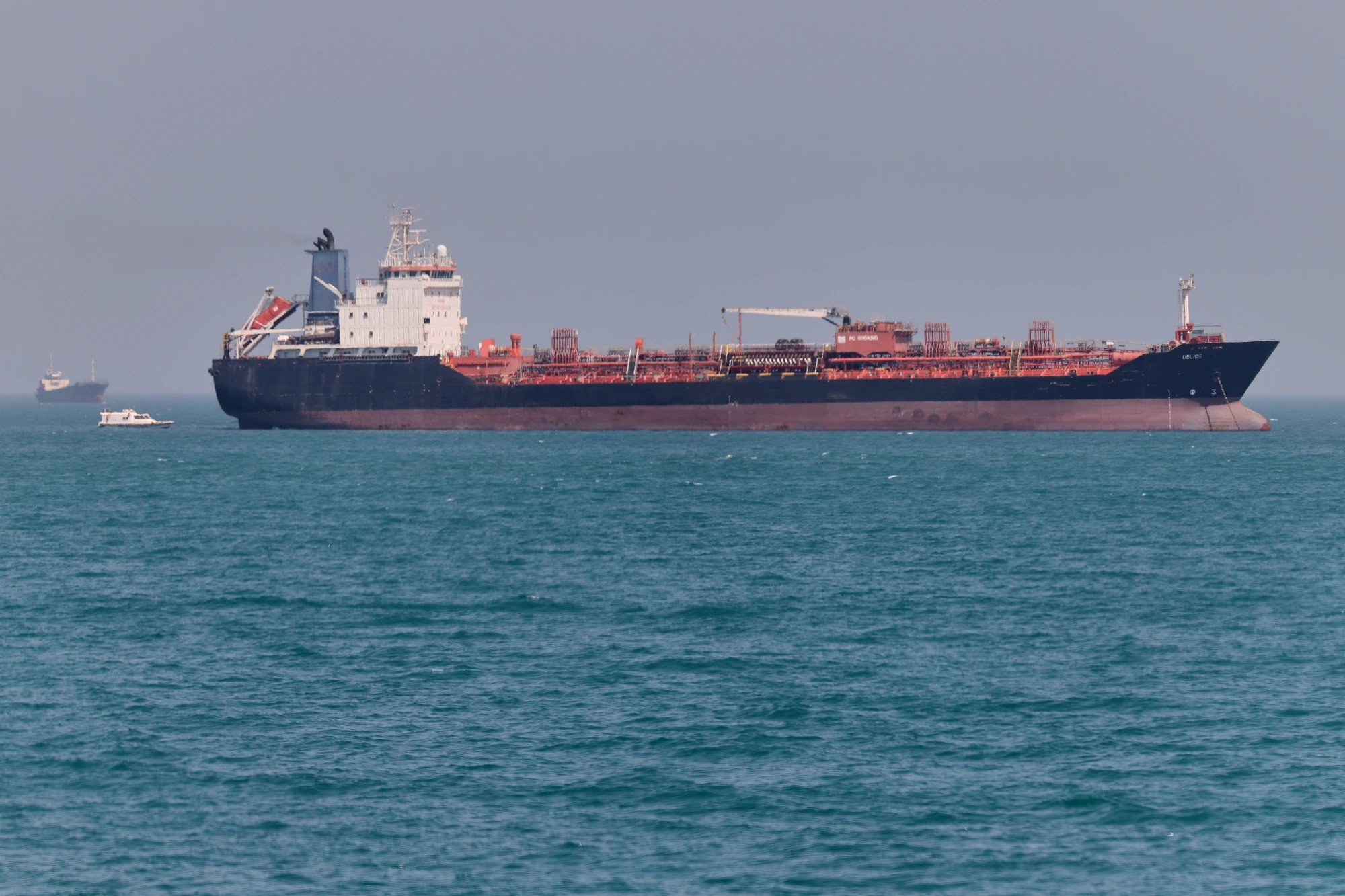
Mixed signals from Washington and Tehran are compounding the economic impact of the Iran war on Gulf economies. When President Donald Trump declared the Strait of Hormuz open and operating while Iran insisted it remains shut, the result is the same. Insurers get nervous, shippers reroute, and the cost of buying goods and doing business ticks upwards. Traffic through the waterway slowed further on Wednesday, with just six vessels crossing versus a 10-day average of 11. Major Chinese carriers have avoided the route since late July.
Saudi-UAE Bank Scrutiny
Saudi Arabia has imposed extra layers of regulatory oversight on UAE-bound bank transfers, reserved for countries considered high-risk for illicit money flows. The move comes as several companies say they have had difficulties transferring funds from Saudi accounts to the UAE. The oversight follows months of tensions between Saudi Arabia and the UAE, including disputes over Yemen, OPEC, and Iran. Saudi Arabia's central bank denies targeting specific countries.
Iran-Kuwait Detainee Standoff
Iran's ambassador to Kuwait met four Iranian nationals detained for three months, checking on their health and status, state media reported. Iran says the men, linked to the Revolutionary Guards, entered Kuwaiti waters due to navigation issues, while Kuwait suspects them of planning hostile acts. Tensions had risen after Iran accused Kuwait of withholding information. The quiet standoff between Iran and Kuwait over the detained nationals is adding more friction to broader Gulf tensions.
1 source
Time · lag behind first