Trump Route Project Reshapes South Caucasus and Central Asia Geopolitics
This digest was compiled by AI from multiple sources — links to the originals are below.
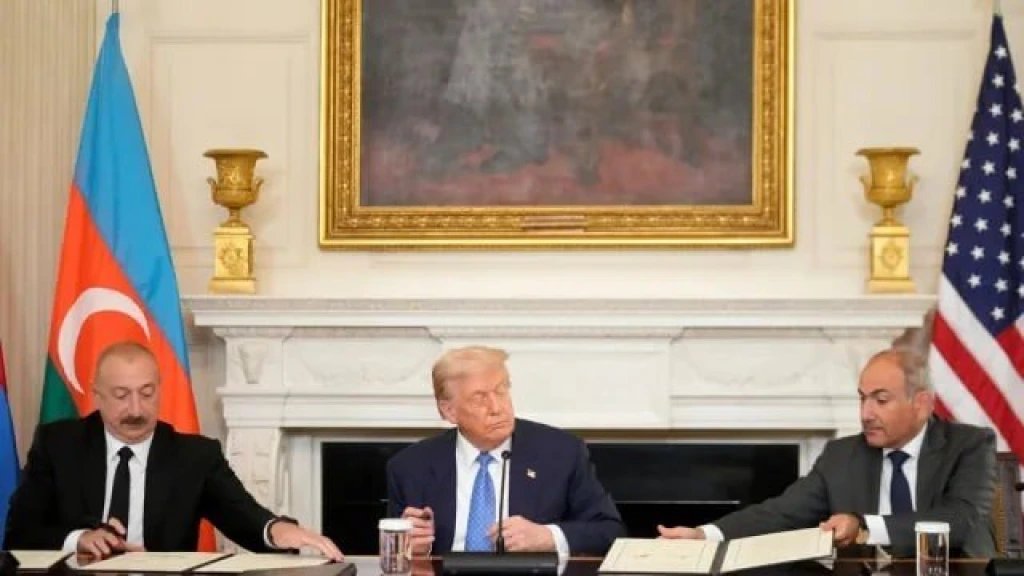
The Trump Route Project (TRIPP) is reshaping trade and geopolitics in the South Caucasus and Central Asia one year after its launch. The initiative links Armenia and Azerbaijan to Turkey, bypassing Russia and Iran. Washington views TRIPP as a tool to strengthen regional independence amid the Russia-Ukraine war and tensions around Iran.
Key Facts
- The Trump Route Project (TRIPP) links Armenia and Azerbaijan to Turkey, forming part of a broader Middle Corridor connecting Europe and Asia.
- TRIPP bypasses Russia and Iran, developing trade and transport links outside their control.
- Washington sees TRIPP as a means to strengthen the independence of countries in the region.
- The Caspian region and Central Asia hold vast oil, gas, uranium, and rare earth metal reserves accessible via the corridor.
- EU, UK, Japan, and South Korea are interested in participating in the corridor's development.
Strategic Rationale
The Trump Route Project (TRIPP) is gaining strategic importance for the United States beyond trade, extending into South Caucasus and Central Asia geopolitics. The initiative connects Armenia and Azerbaijan with Turkey, becoming part of a wider Middle Corridor linking Europe and Asia. A key advantage is the development of trade and transport links that bypass Russia and Iran. For Washington, TRIPP serves as a tool to strengthen the independence of regional countries. The project is especially critical amid the Russia-Ukraine war and escalating tensions around Iran.
Economic and Resource Access
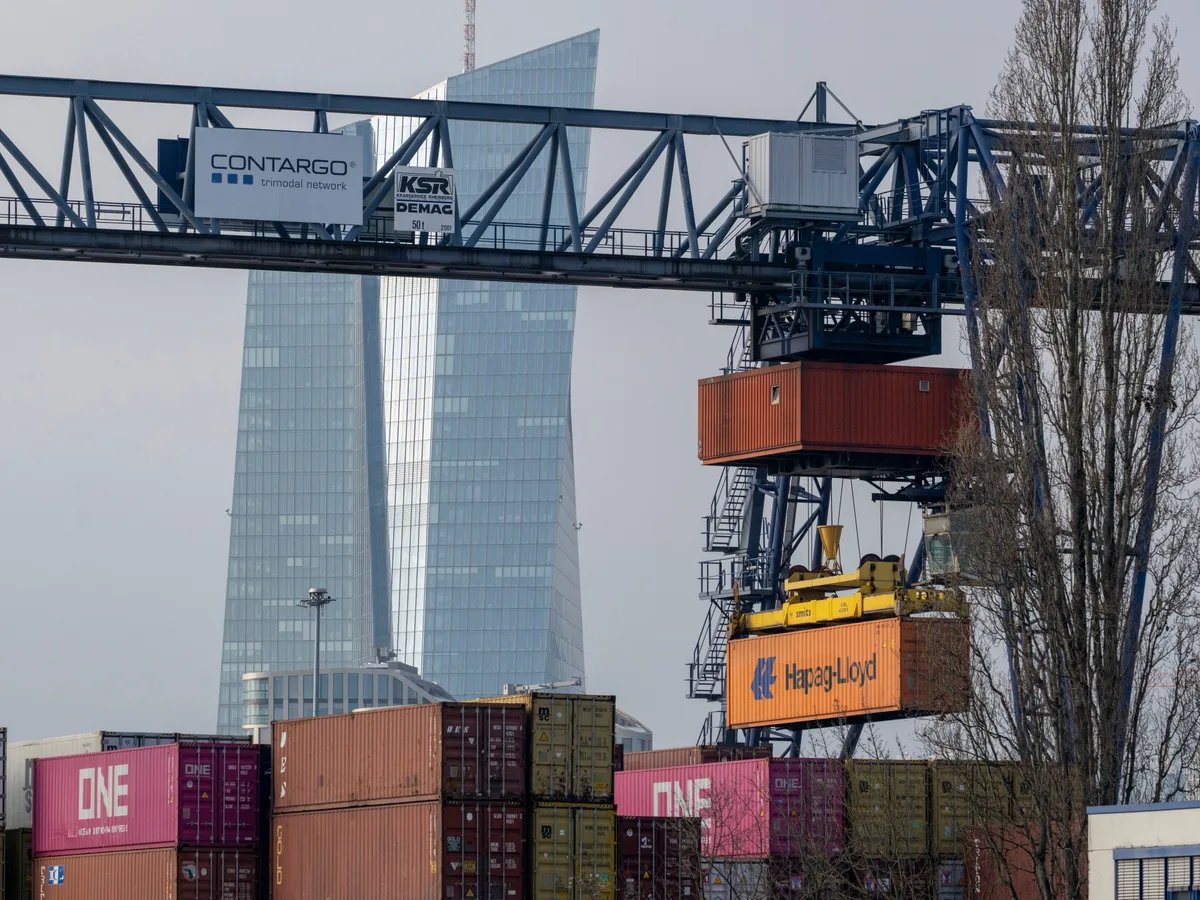
The corridor significantly reduces global trade's dependence on maritime routes. The Strait of Hormuz, the Red Sea, and the Black Sea remain key chokepoints for global trade and energy systems. Any conflict or military action in these areas could quickly disrupt supply chains and raise prices. The Caspian region and Central Asia possess vast oil and gas reserves, as well as uranium and rare earth metals. A reliable land route facilitates Western access to these resources, reducing dependence on specific suppliers.
International Participation
Major energy and telecommunications projects could be further developed in the north while maintaining ties between Azerbaijan, Armenia, and Turkey. For the United States, TRIPP's main impact is strengthening its position in the region. Washington seeks to turn the transport project into a long-term instrument of economic and strategic cooperation. US allies in Europe and Asia, particularly the EU, UK, Japan, and South Korea, are interested in participating in the corridor's development. For these states and regions, the route offers trade access, energy sources, and critical resource supply opportunities.
1 source
Trump Route Project Reshapes South Caucasus and Central Asia Geopolitics