
US Army awards $2.2 billion in contracts for nuclear microreactors at five bases
This digest was compiled by AI from multiple sources — links to the originals are below.
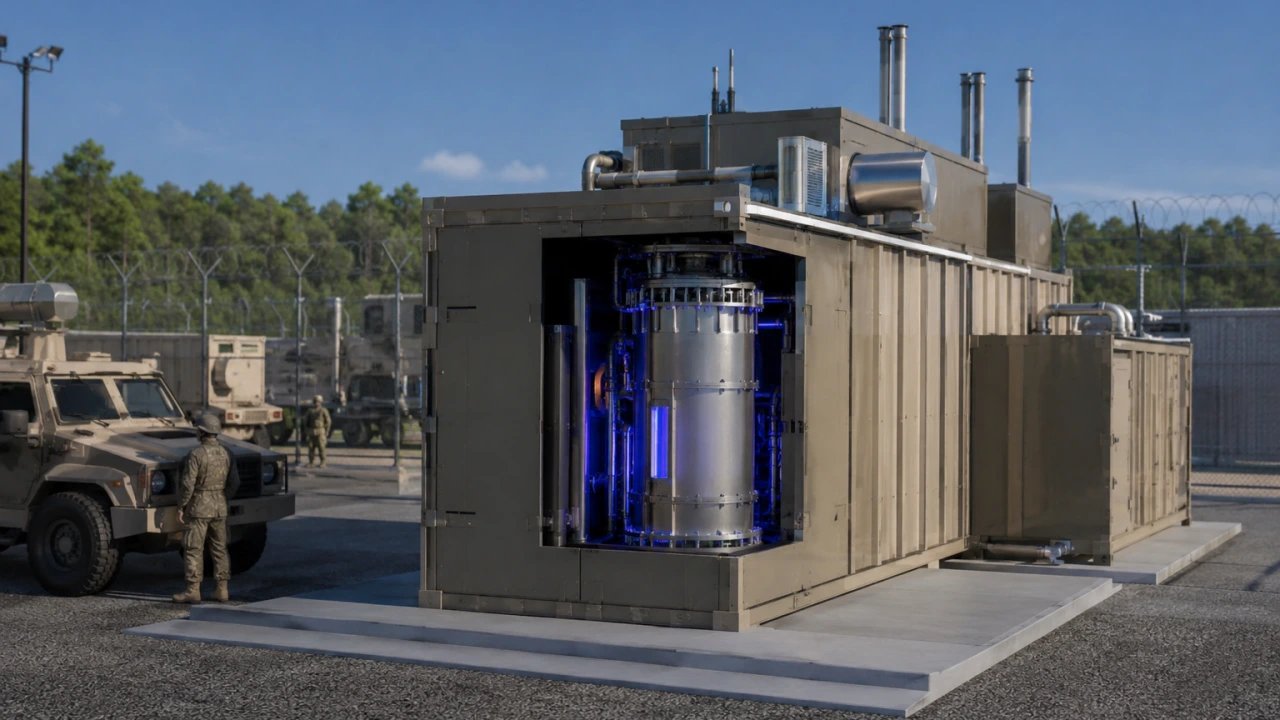
The U.S. Army has awarded contracts worth up to $2.2 billion to five companies to develop, build, and operate nuclear microreactors at military installations. The first units are planned for deployment by 2028 under the Janus program, which envisions more than 20 reactors across military sites. The initiative follows October 2025 executive orders by President Donald Trump aimed at strengthening energy resilience.
Key Facts
- The U.S. Army awarded contracts worth up to $2.2 billion to five companies for nuclear microreactors at military installations.
- The Janus program envisions more than 20 nuclear microreactors across military sites, with the first five installations planned for bases in North Carolina, Kentucky, Texas, Georgia, and New York.
- Antares Nuclear received the contract to supply the first microreactor to Fort Bragg in North Carolina.
- The Army aims to have at least one reactor operational by September 30, 2028, according to Jeff Waksman, principal deputy assistant secretary of the Army for installations, energy and environment.
- The Janus program was launched in October 2025 following a series of executive orders by President Donald Trump.
Contract Awards
The U.S. Army has awarded contracts to five companies for the development, construction, and operation of nuclear microreactors at military installations. The maximum value of the agreements is $2.2 billion, with the first units planned for deployment by 2028. The contracts were awarded under the Janus program, which calls for more than 20 nuclear microreactors at military sites. The first phase will see installations at five bases in North Carolina, Kentucky, Texas, Georgia, and New York. Antares Nuclear will supply the first microreactor to Fort Bragg in North Carolina; BWXT Advanced Technologies will build a unit for Fort Campbell in Kentucky; General Atomics Electromagnetic Systems for Fort Hood in Texas; Radiant Industries for Fort Benning in Georgia; and Westinghouse Government Services for Fort Drum in New York.
Energy Resilience Rationale
The U.S. Army cites the need to provide military installations with a reliable source of electricity as the reason for the shift to nuclear power. Jeff Waksman, principal deputy assistant secretary of the Army for installations, energy and environment, said modern military operations require increasing amounts of electricity, while existing infrastructure could be vulnerable in a conflict. "Unlike previous conflicts, we now know that our domestic electric grid is potentially at risk in the event of a conflict," Waksman told reporters. He also cited the military's dependence on liquid fuel, primarily diesel, as another problem. The Army estimates that nuclear microreactors can reduce bases' dependence on external energy sources and ensure more stable operation of critical infrastructure.
Program Timeline and Goals
The Janus program was launched in October 2025 after a series of executive orders by President Donald Trump aimed at improving energy resilience. The current contracts represent the next stage of its implementation. The Army acknowledges that the project timeline remains ambitious; Waksman said the department does not expect all five first reactors to start simultaneously in 2028. The program's goal is to ensure at least one reactor is operational by September 30, 2028. Each of the five companies will receive different funding amounts and must deliver varying numbers of units, with the Army planning to participate directly in project implementation, including technology and supply chain issues.
1 source
Time · lag behind first